
Iberia C2C Stage 1
Tour Dates
25 March 2027 – 4 April 2027 – Price £1995 per person. Spaces available.
This departure will be led by Lucy Burnett
Single person supplement – £595
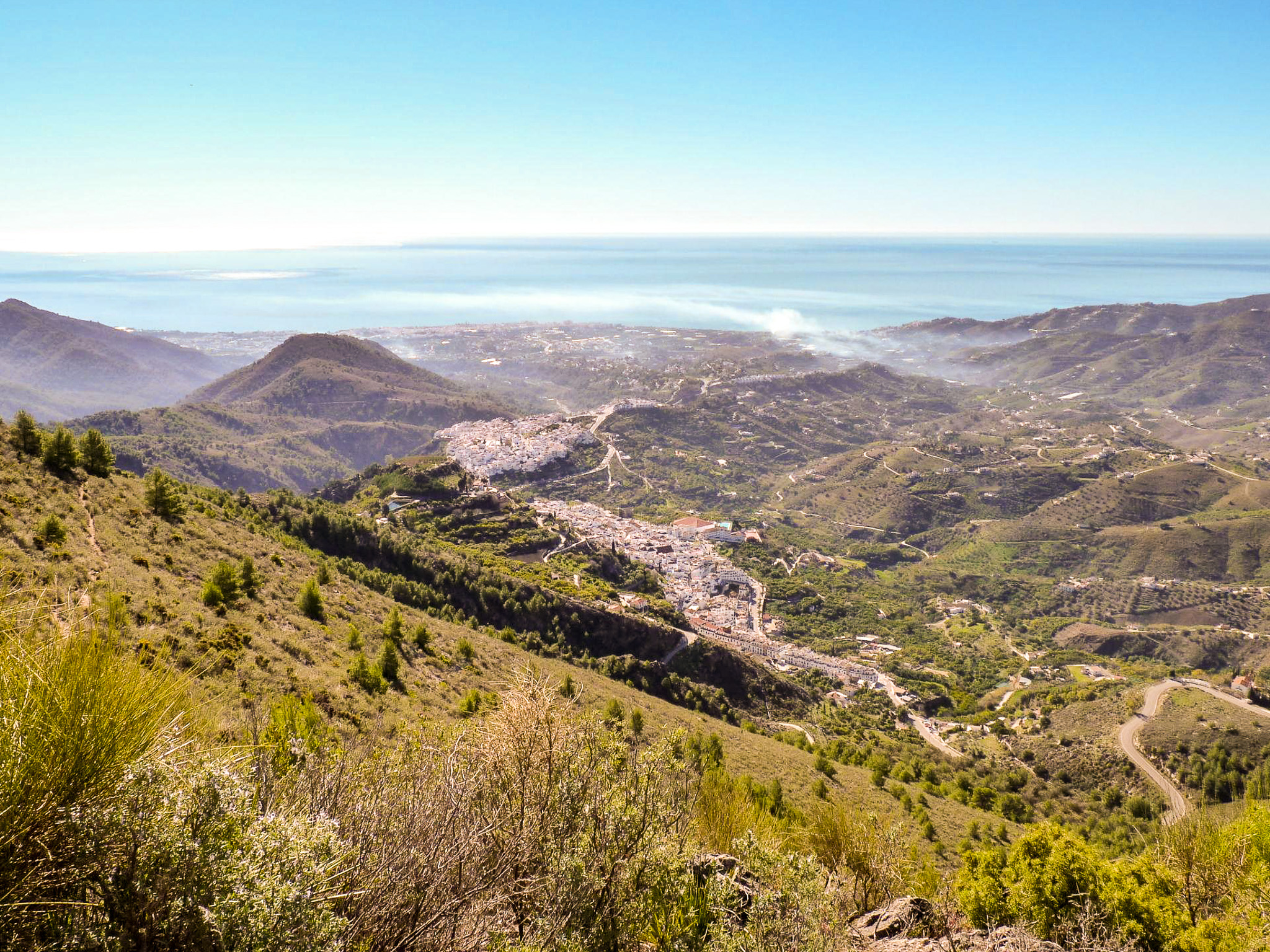
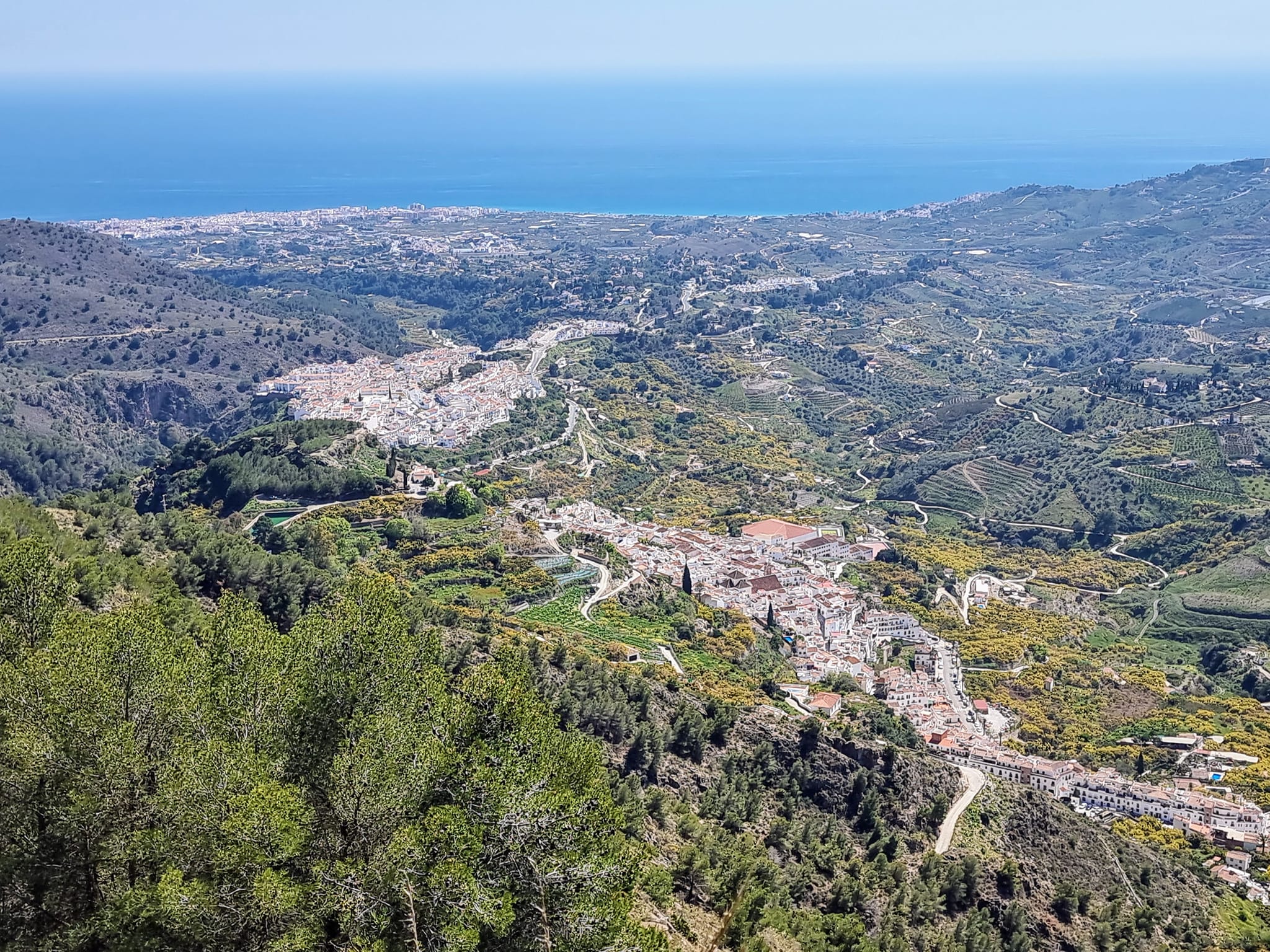
Stage 1 of our Iberia Coast to Coast takes us from Alicante to Málaga, crossing the mountains and landscapes of southern Spain before reaching the Mediterranean once more. Along the way we ride through the little-known Sierra de Cazorla, the extraordinary cave country around Guadix and the Sierra Nevada, with time to explore Granada and some of Andalucía’s beautiful whitewashed mountain villages in the Axarquia.
Cycling – 493 miles / 794km & 36,600 feet / 11,155m ascent
Our Iberia Coast to Coast takes a southerly route across Spain and Portugal, linking the Mediterranean with the Atlantic in two stages. This first stage starts in Alicante and finishes in Málaga, taking us from the coast through an extraordinary variety of landscapes. We begin with a gentle coastal ride before turning inland into the mountains, crossing the sierras of Alicante and Murcia and continuing through the spectacular landscapes of Cazorla, the dry and almost desert-like country around Guadix and the high mountain scenery of Granada. From there we head west through Andalucía’s white villages and the rugged Axarquía mountains before a spectacular descent to the Mediterranean and our finish in Málaga. It’s a route of quiet mountain roads, reservoirs, vineyards, olive groves and some wonderfully remote countryside, with plenty of opportunities to experience the food, wine and history of inland Spain along the way.
This is a proper cycling challenge. 493 miles and 36,600 feet of climbing make this a serious ride, but with relatively manageable daily distances and the climbing spread throughout the stage rather than concentrated into a handful of brutal days. Yes, it is one of our harder Grade 4 routes, but remains significantly easier than our Grade 5 or 6 tours. A great one to try if you’ve got some of those epics in mind for holidays to come.
Highlights
• Med to mountains to Med – Start beside the sea in Alicante before gradually climbing into the mountains and crossing the interior of southern Spain before rejoining the Med on the Spanish south coast.
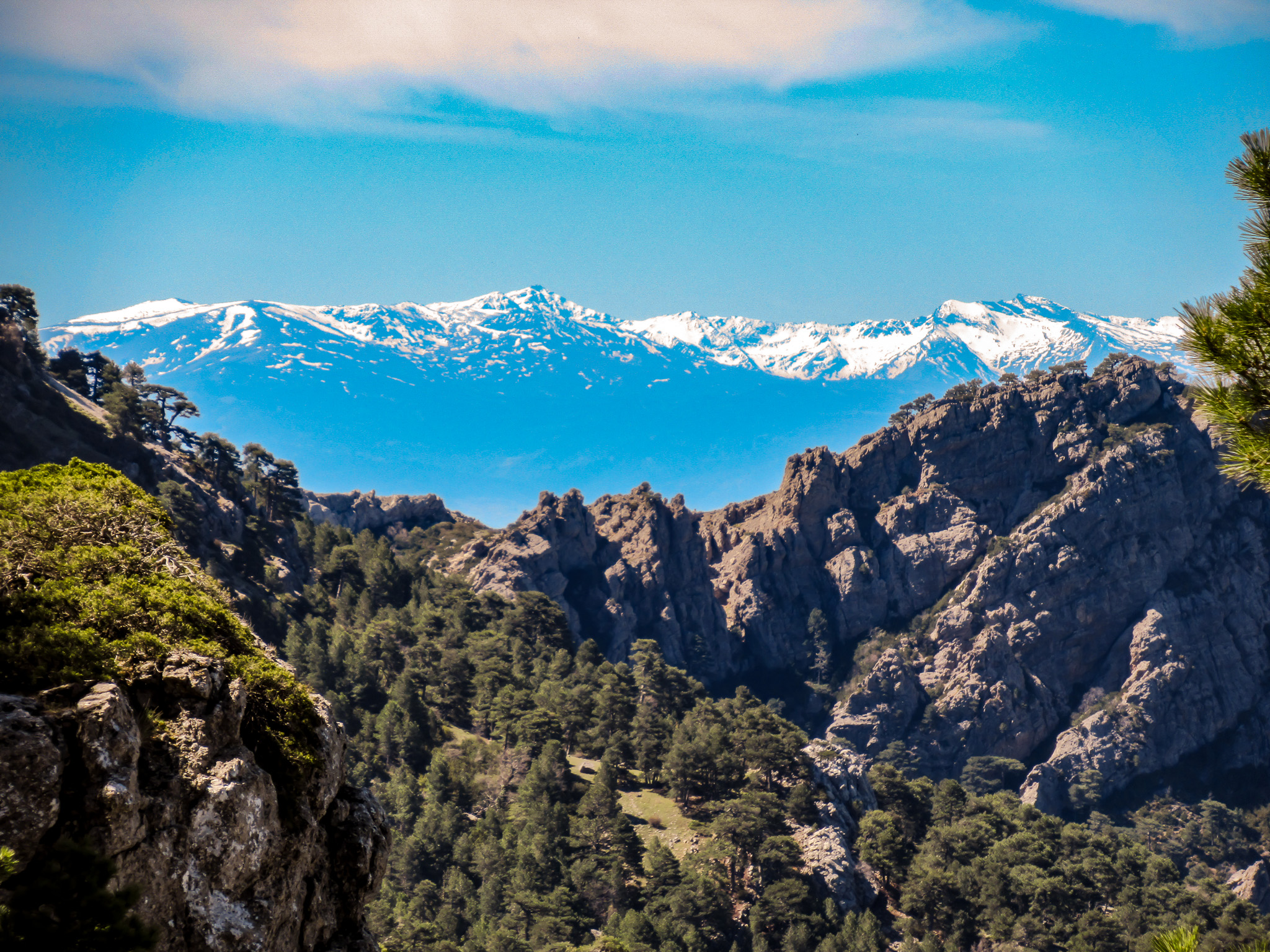
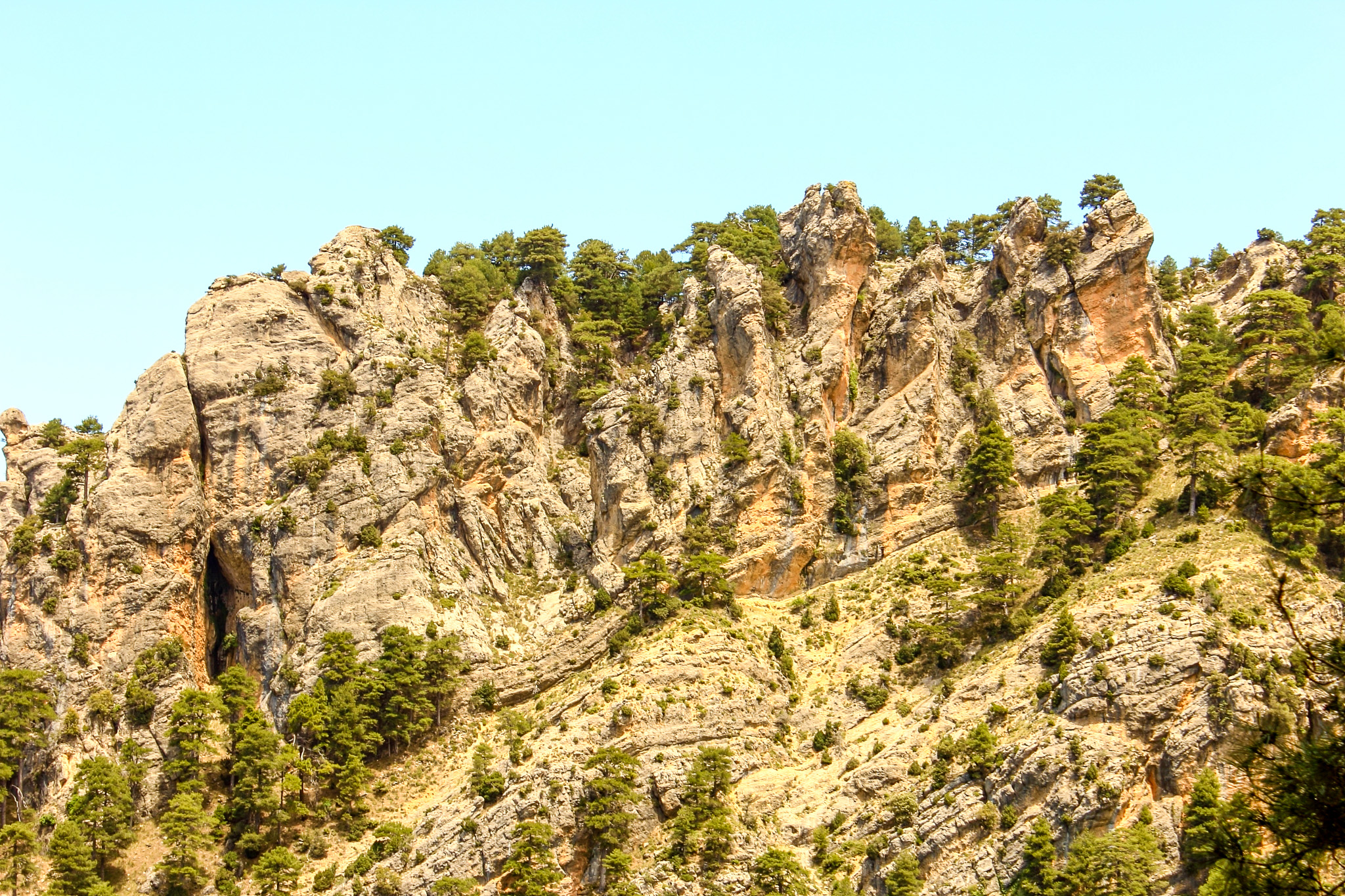
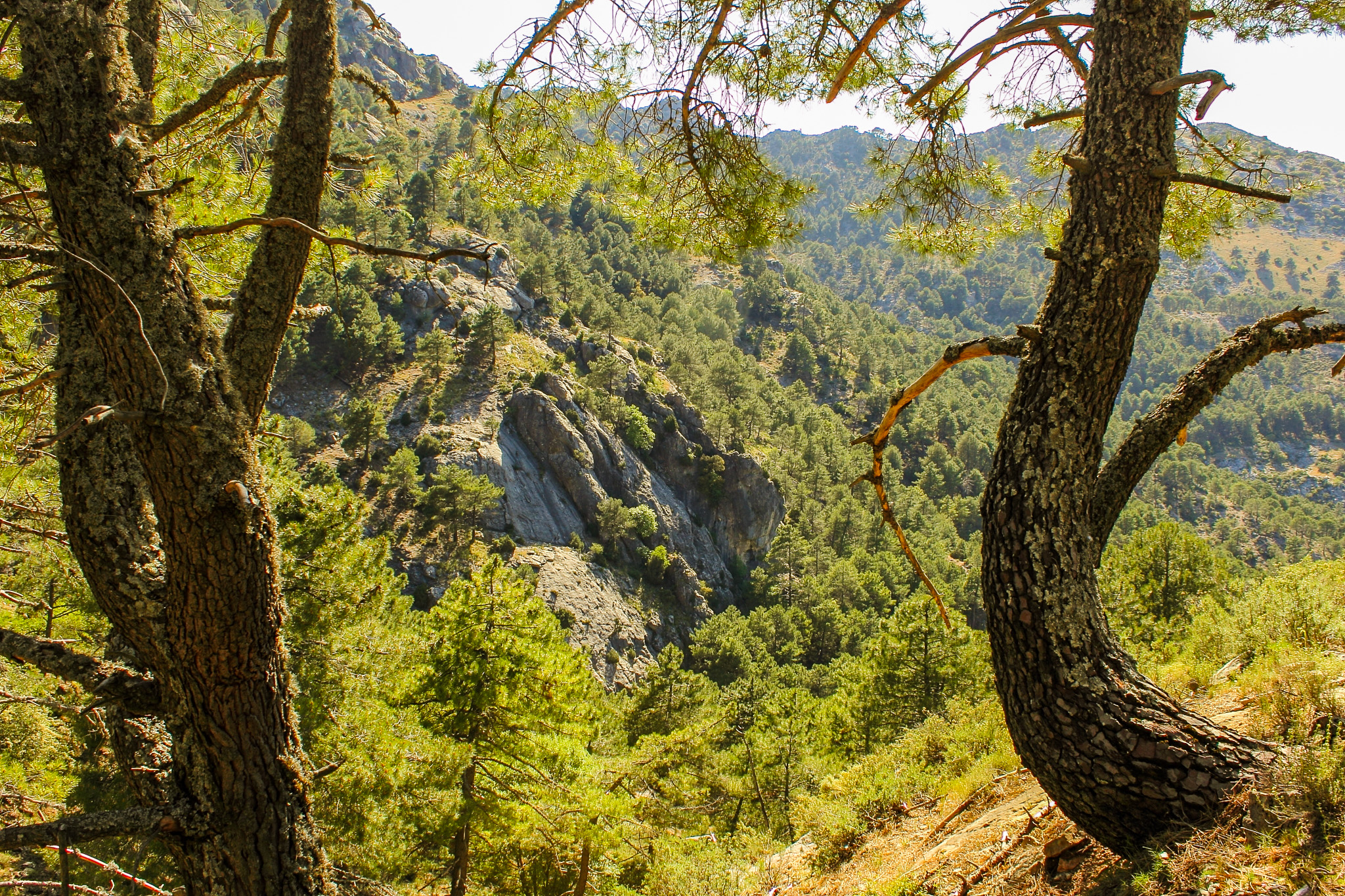
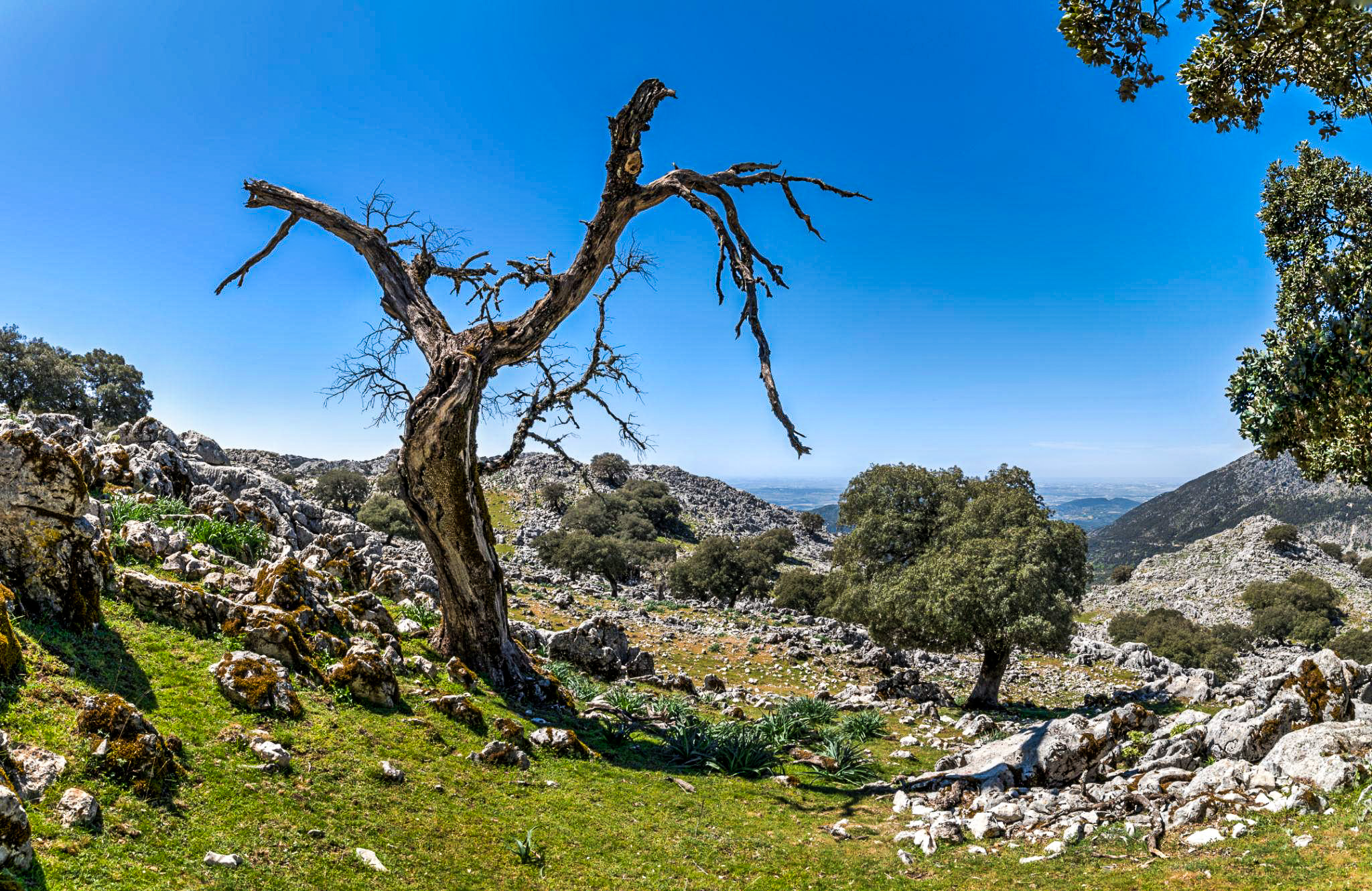
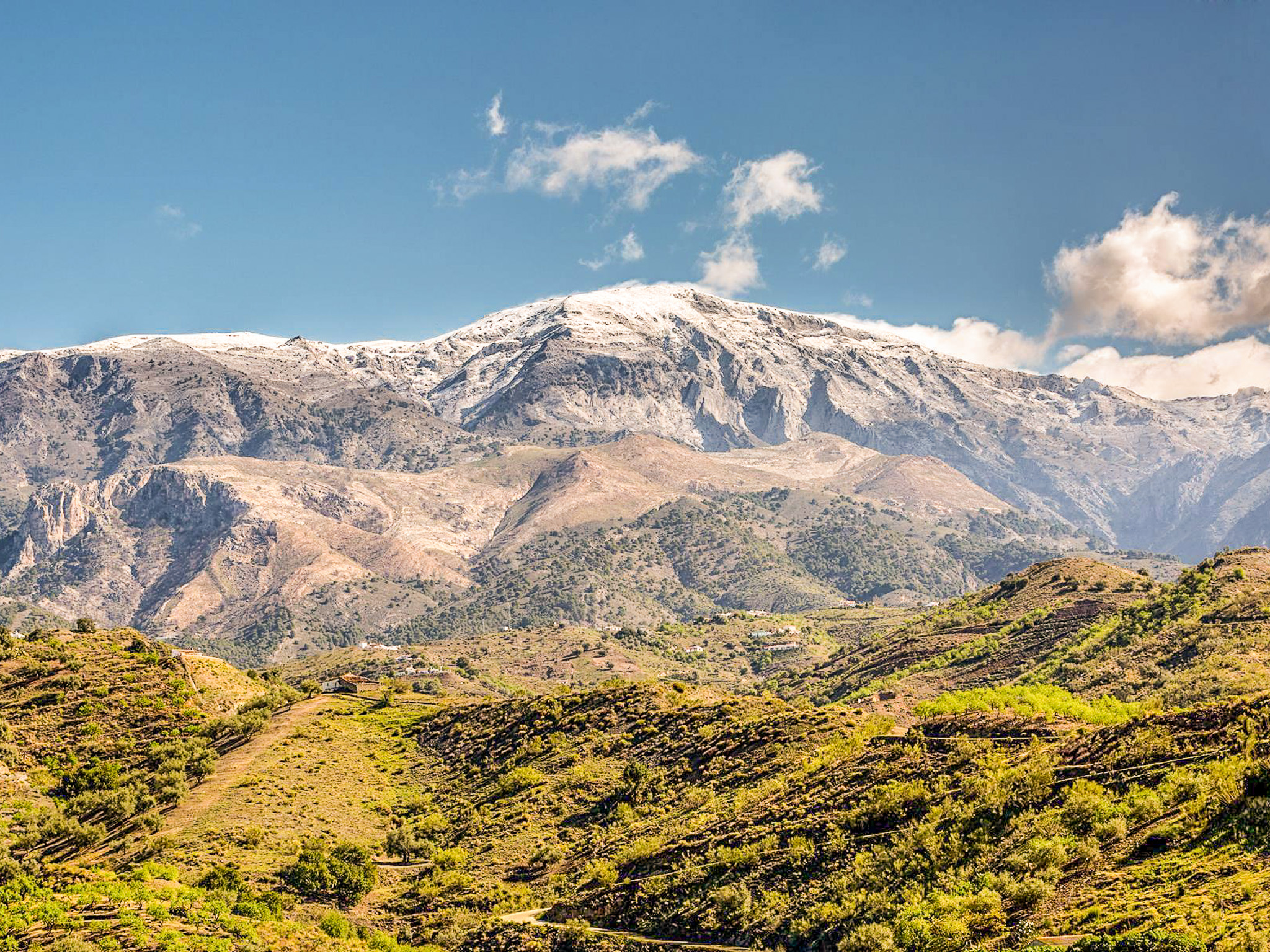
• Mountains – Ride towards Granada with the snow-capped peaks of mainland Spain’s highest mountains – the Sierra Nevada – providing a spectacular backdrop. Explore one of Spain’s great natural areas north of Cazorla, with quiet mountain roads, forests, reservoirs and abundant wildlife.
• Guadix’s cave country – Discover the extraordinary landscape around Guadix, where homes have been carved into the soft hillsides and many are still inhabited today.
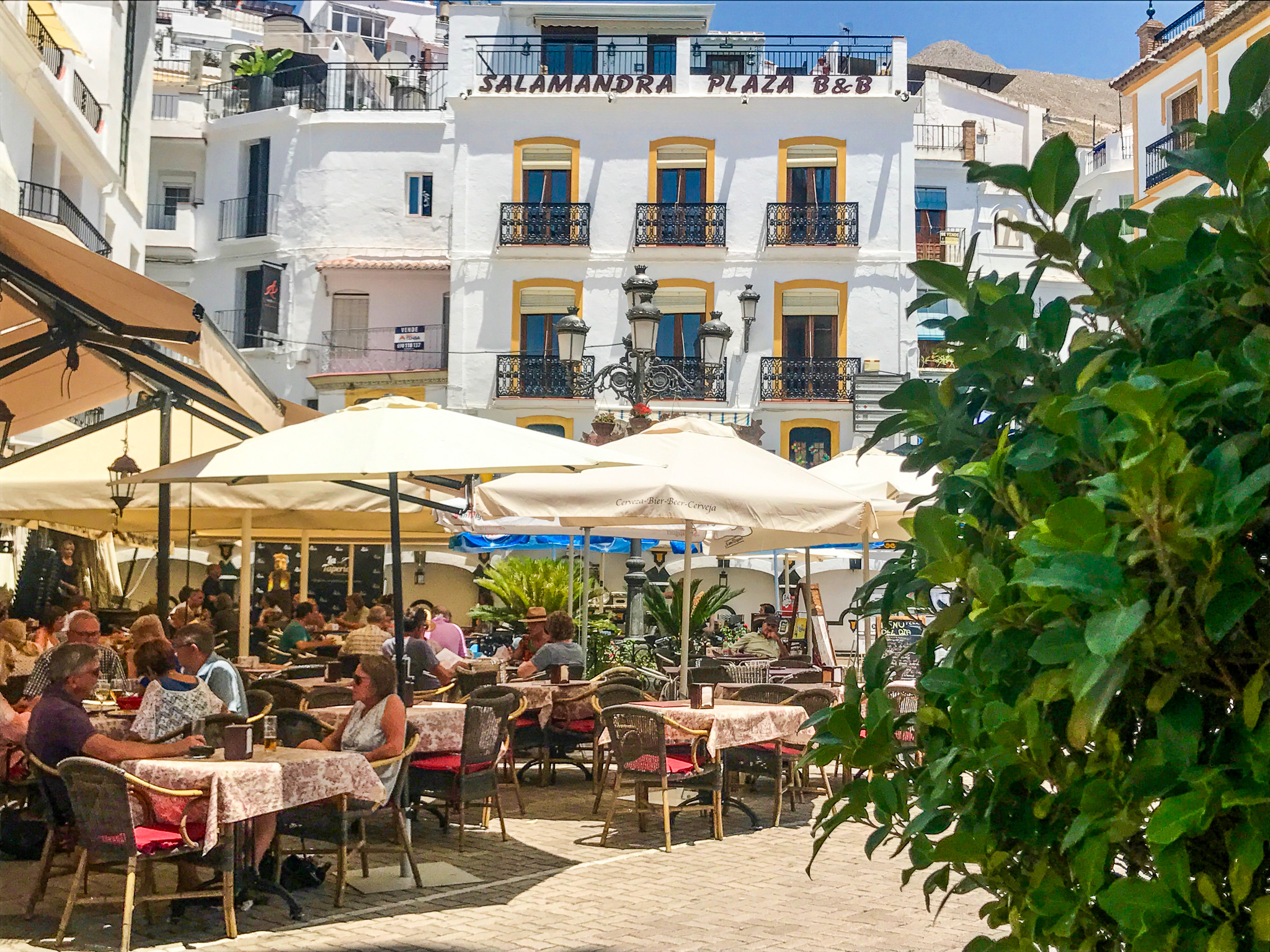
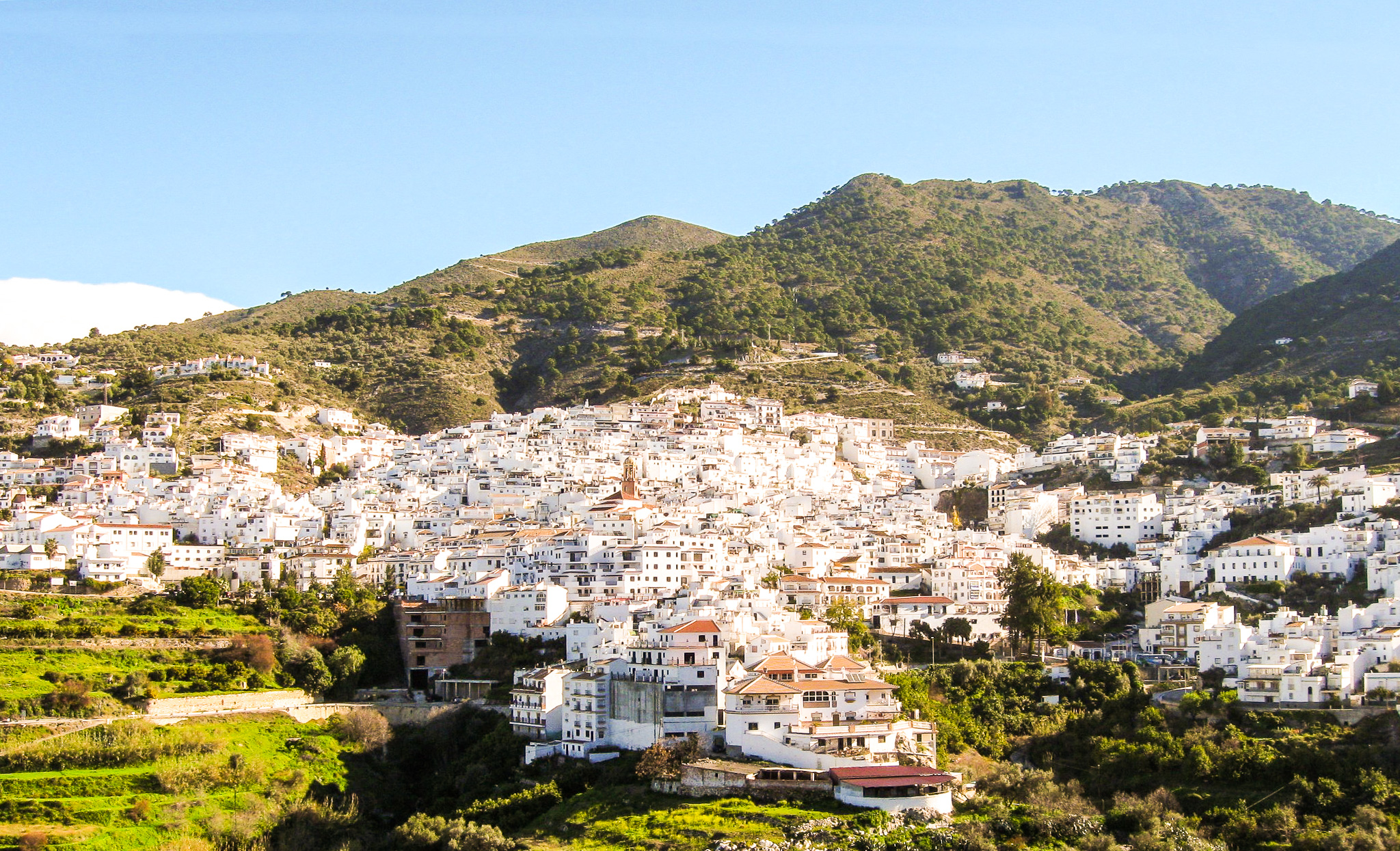
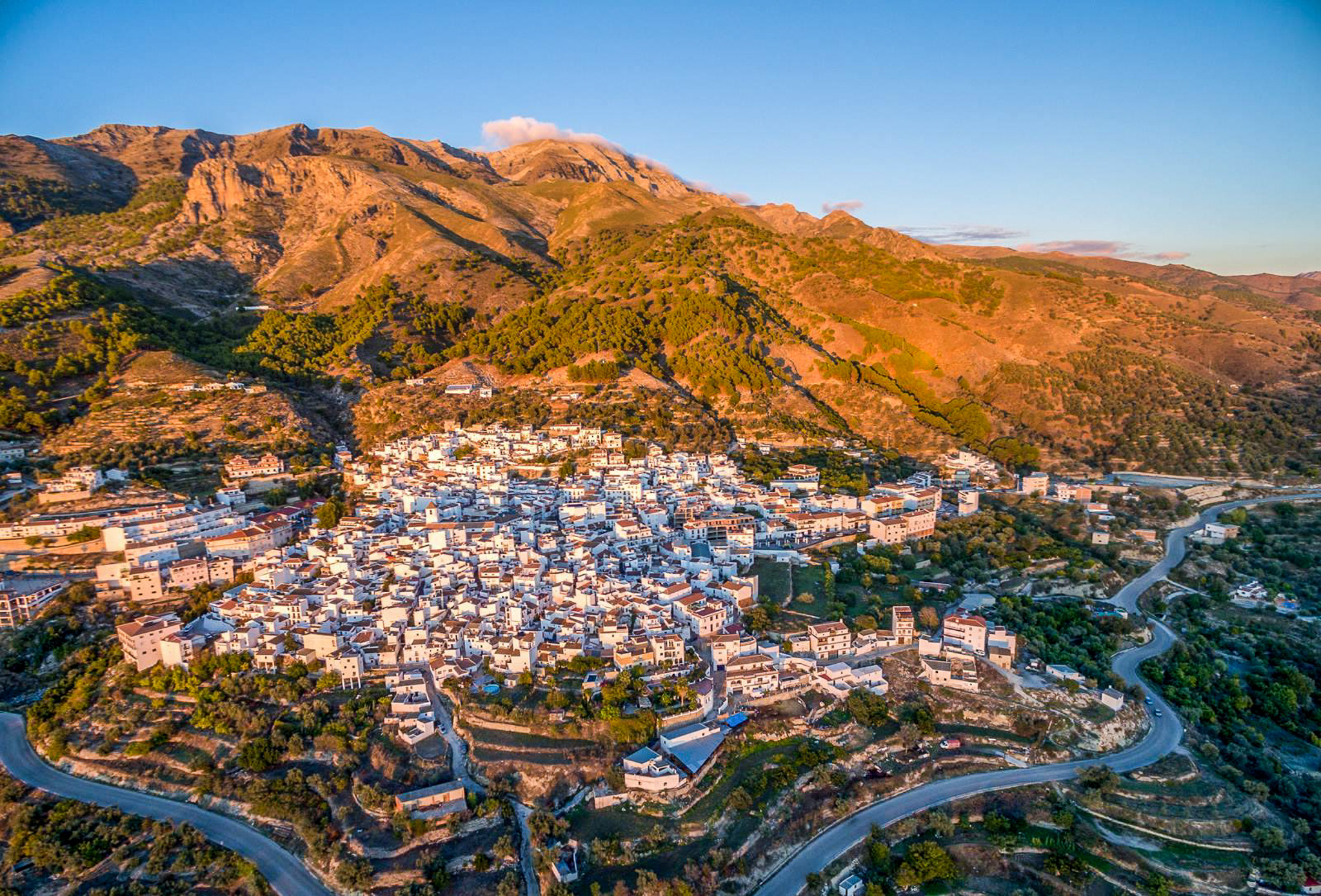
• Andalucía’s white villages – Ride through some of the region’s most beautiful mountain villages, including Segura de la Sierra, Cazorla, Cómpeta and the villages of the Axarquía.
• Wine and olive country – Pass through the vineyards of Jumilla and vast olive-growing landscapes as we cross the dry interior.
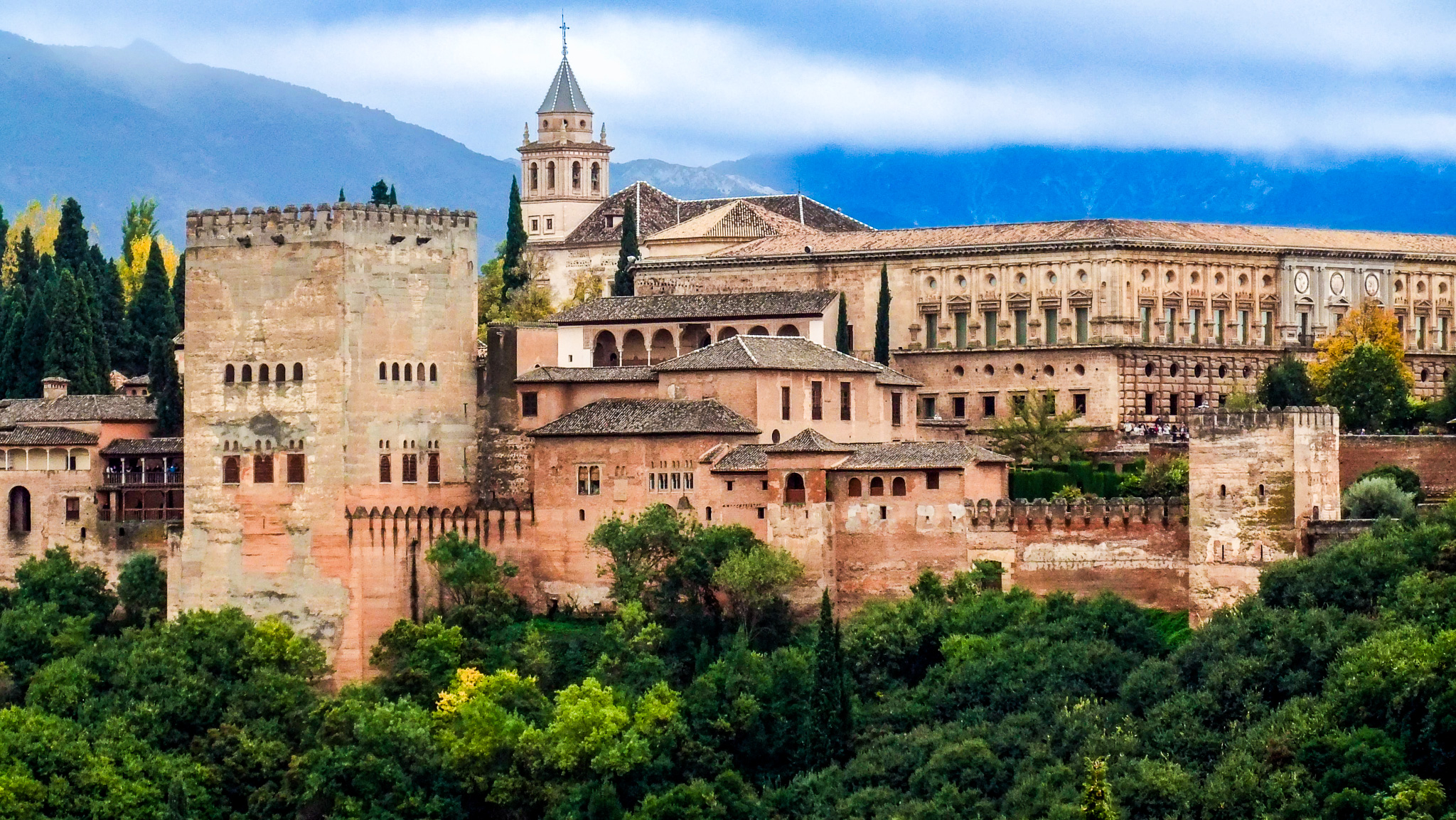
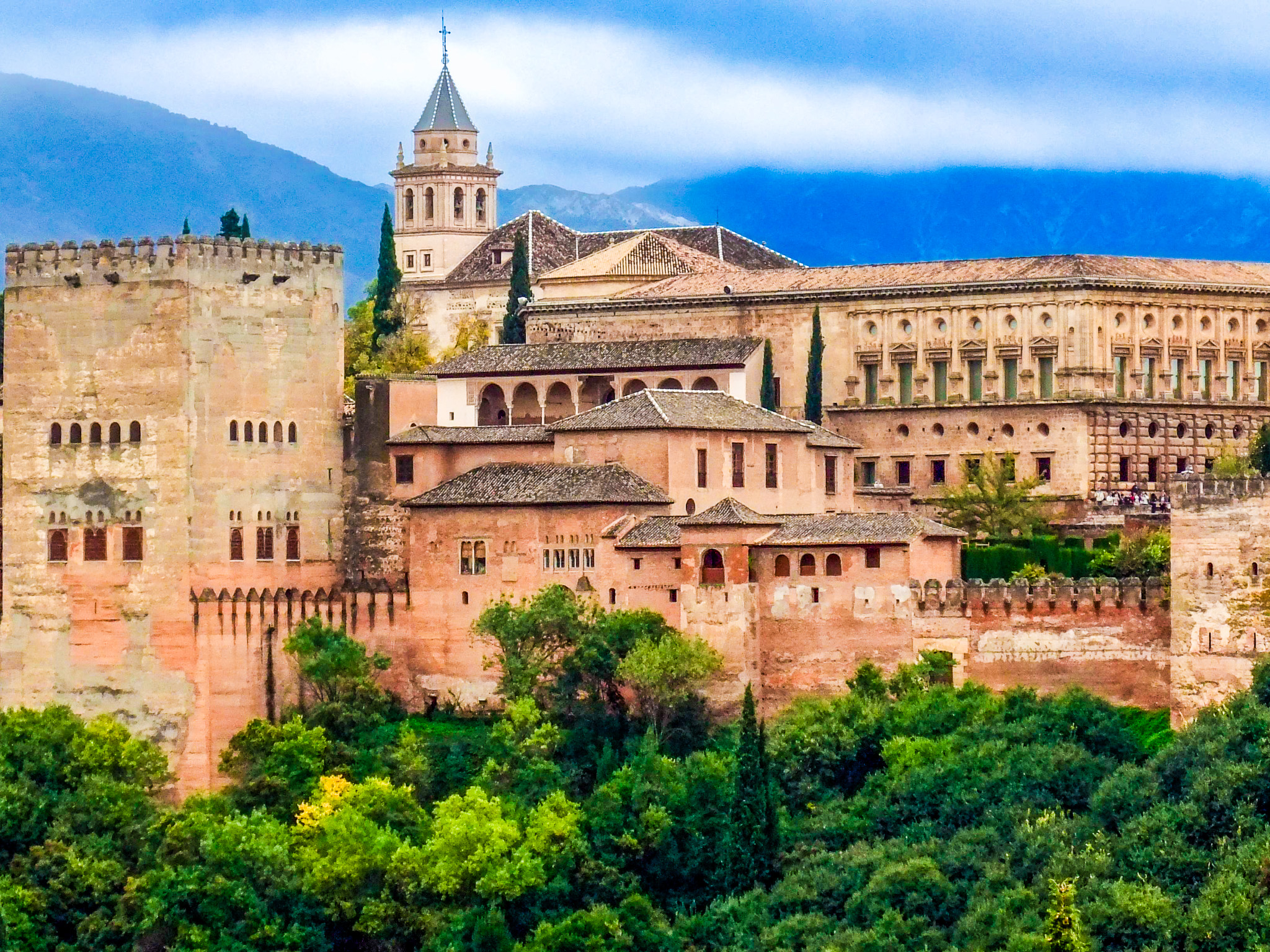
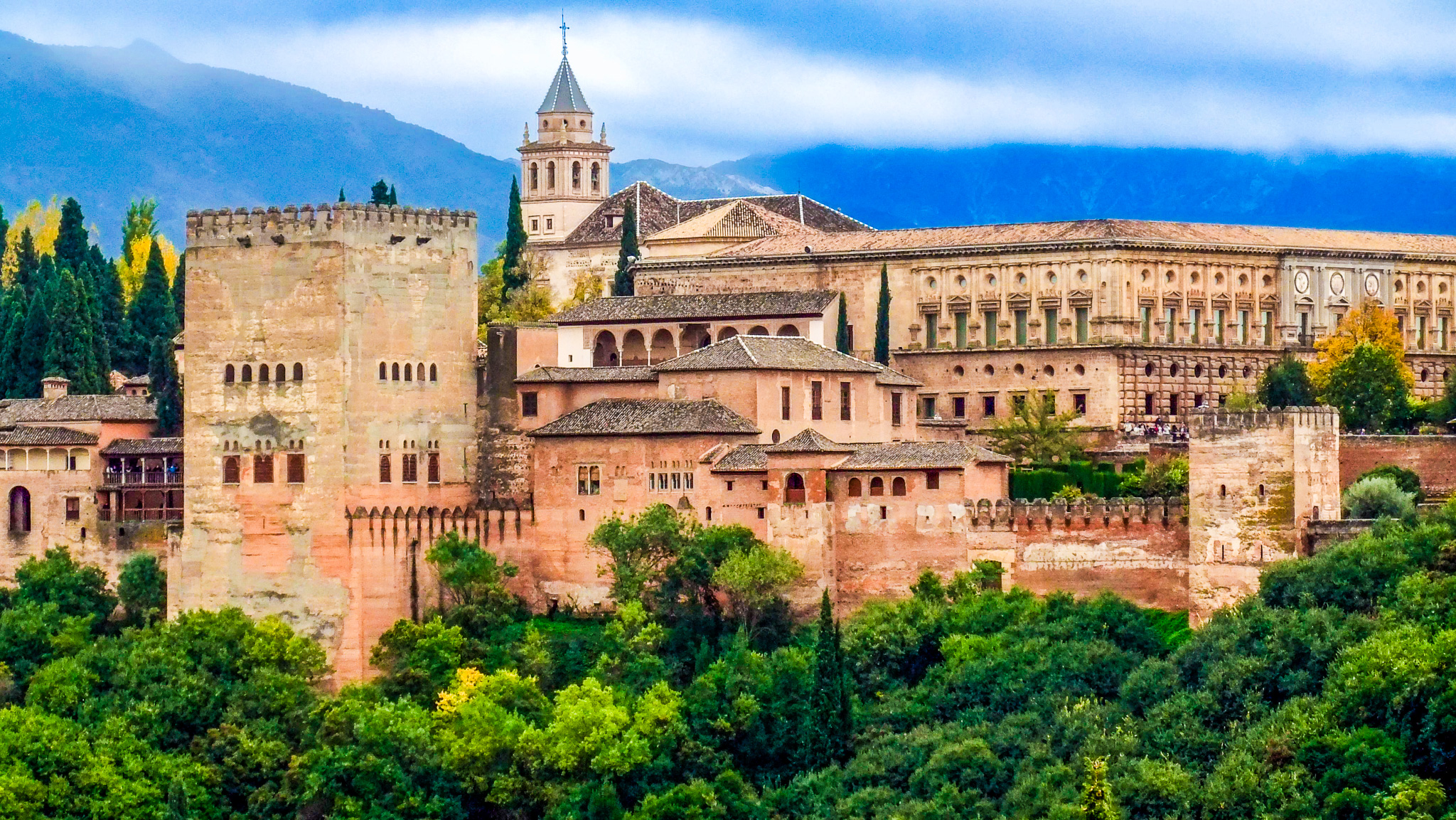
• Granada – Spend time in one of Andalucía’s great cities, with the Alhambra, Albaicín and Sierra Nevada all adding to its extraordinary setting.
• A spectacular finish – After crossing the mountains, descend more than 5,000 feet towards the Mediterranean before following the coast into Málaga.
Accommodation
Accommodation is on a twin-sharing bed and breakfast basis, in a comfortable hotel or B&B with ensuite facilities.
You pay on a sharing basis, although single rooms are available upon payment of a single person supplement of £795.
Meals
Breakfast will be included in the hotel and picnic lunches will be provided during the cycling days.
You will need to purchase your own evening meals, which are usually eaten communally although you are free to opt out if you wish.
We will carry emergency energy gels and bars in the support van but you are advised to bring along your own preferred sports nutrition to fuel your ride.
In the Tour Plan, (B, L, D) refers to meals included in the trip cost i.e. Breakfast, Lunch, Dinner.
Arrival / Departure
The tour starts in Alicante and ends in Malaga, both of which ar served by multiple airlines from many airports in the UK and beyond.
Bike Transfers
We will happily transport your bike to the start and back for free. If you drop your bike off at our Sheffield office up to three days before departure we will carefully pack it in the support van, drive it to the start and then return it to Sheffield ready for you to collect. If that isn’t convenient, then depending on where you live, we may be able to collect your bike on our journey from Sheffield to Portsmouth. Please get in touch with us to discuss arrangements.
Since we are no longer part of the EU customs unions, any bike we transport to Europe requires an ATA Carnet which incurs a fee of £60 per bike. This cost will be added to your invoice.
nb because this is Stage 1 of a longer tour, your bike won’t be available to collect in Sheffield until 15th April.
Tour Plan
This tour is a point to point cycle tour, where we follow a pre set route. Local conditions, weather or fitness could lead to changes in our daily plans. All times and distances are approximate.

-
Starts inAlicante, Spain
-
Ends inMalaga, Spain
-
Road surfacesTarmac (conditions can vary).
-
Bike TypeHybrid / Tourer / Road bike
-
IncludedIberia C2C Stage 1AccommodationLunchCycling guideGPX filesVehicle supportBaggage transfer
-
Not IncludedDomestic flightsEvening meals (unless specified)Bike hireTravel to start & from finishInternational flightsAirport transfersTravel insuranceCookie Policy (US)Cookie Policy (US)Visas
Arrival Day
Arrive at Alicante airport and take a taxi to the hotel, a five-minute drive away in Torrellano. If you're arriving in Alicante itself, Torrellano is just a short train ride or taxi south. Starting in Torrellano means we avoid riding south out of Alicante on a fairly busy road tomorrow, but the city is definitely worth exploring.
If you arrive at the hotel early in the day, you can leave your luggage and be in central Alicante in around 20 minutes by train. Alternatively, if you'd like to arrive a day or two early and spend some more time exploring the city, just let us know and we can arrange extra nights at the hotel.
This evening we'll meet for a briefing before having dinner together at the hotel.
Alicante sightseeing / highlights
• Santa Bárbara Castle – Climb or take the lift up to this huge hilltop fortress for fantastic views across Alicante, the harbour and coastline.
• The old town – Wander the narrow streets of the Casco Antiguo, with colourful houses, little squares, tapas bars and plenty of opportunities to stop for a drink.
• Explanada de España – Take a stroll along Alicante's famous palm-lined promenade, paved with its distinctive red, cream and black marble mosaic.
• Alicante's waterfront and marina – Explore the harbour, watch the boats coming and going and stop for a drink or something to eat overlooking the Mediterranean.
• Mercado Central – A great place to get a feel for the city and browse the stalls piled with fruit, vegetables, seafood, cured meats and other local produce.
Alicante to Elche
88km / 55 miles & 366m / 1,200 feet ascent
After breakfast, we set off on a fairly flat first day, heading south along the coast – a gentle introduction before the hills start to arrive later in the trip. We’ll spend much of the day close to the Mediterranean, with plenty of opportunities to enjoy the scenery and, if the weather is kind, remind ourselves that cycling holidays in Spain most definitely have their advantages, even in March! This is one of the sunniest areas of Spain, but today the coastal breeze will keep things fresh.
Having hit the coast, we head around the Santa Pola peninsula before continuing south through a landscape that gradually changes from seaside resorts to salt flats, dunes and pine forest. At times we veer off onto cycle paths, including a short unpaved stretch to avoid the busy state road. The surface is hard-packed and smooth, though, so it’s easy to ride even on a road bike.
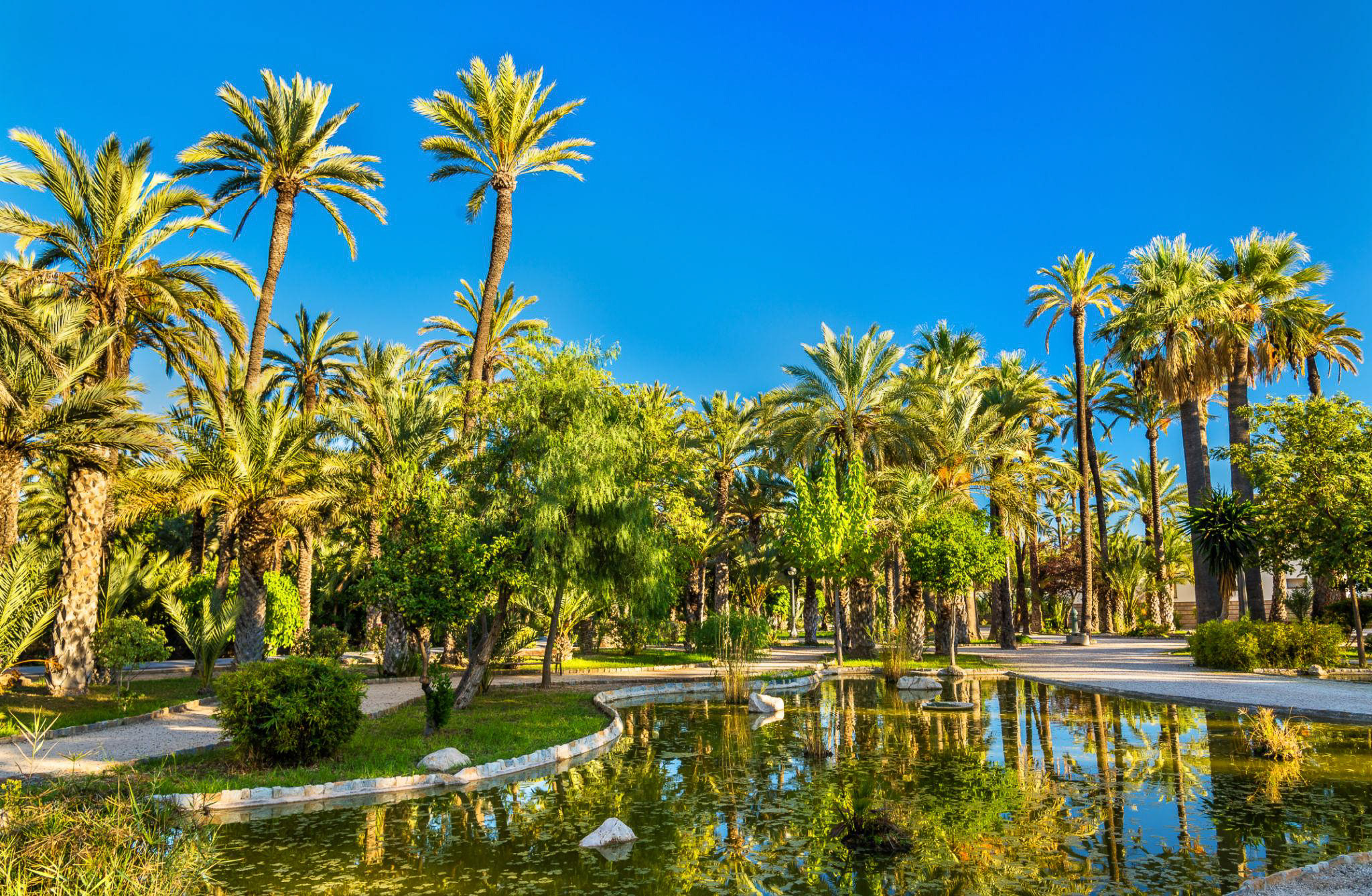
At Guardamar we turn back north, climbing over the headland before descending towards Rosales, with views across Torrevieja, the salt flats and the sea. Our route to Elche then takes us through the Hondo Natural Park, following quiet, palm-lined roads all the way to our destination. Elche is home to the remarkable Palmeral, one of Europe’s largest palm groves and a UNESCO World Heritage Site. (B, L)
Highlights
• Dip your toes in the Mediterranean – Start the day beside the sea, with lovely views back towards Alicante and a chance to get your first taste of the warm Mediterranean.
• Santa Pola – Explore this former Roman trading port, with its castle, long beaches and lively waterfront.
• Salt flats and flamingos – The wetlands south of Santa Pola are an important bird habitat. Look out for pink flamingos among the 150-plus species recorded here.
• Guardamar del Segura – Ride through the spectacular coastal dunes and pine forests around this attractive seaside town.
• Elche’s palm grove – Finish among the extraordinary Palmeral of Elche, a UNESCO World Heritage Site and one of the largest palm groves in Europe.
Elche to Jumilla
48 miles / 77km & 2,750 feet / 840m ascent
Today we leave Elche and head inland, crossing from Alicante province into Murcia. The route takes us between the Sierras del Maigmó and del Carche, with a good mixture of climbing and quieter roads as we make our way towards the wine town of Jumilla.
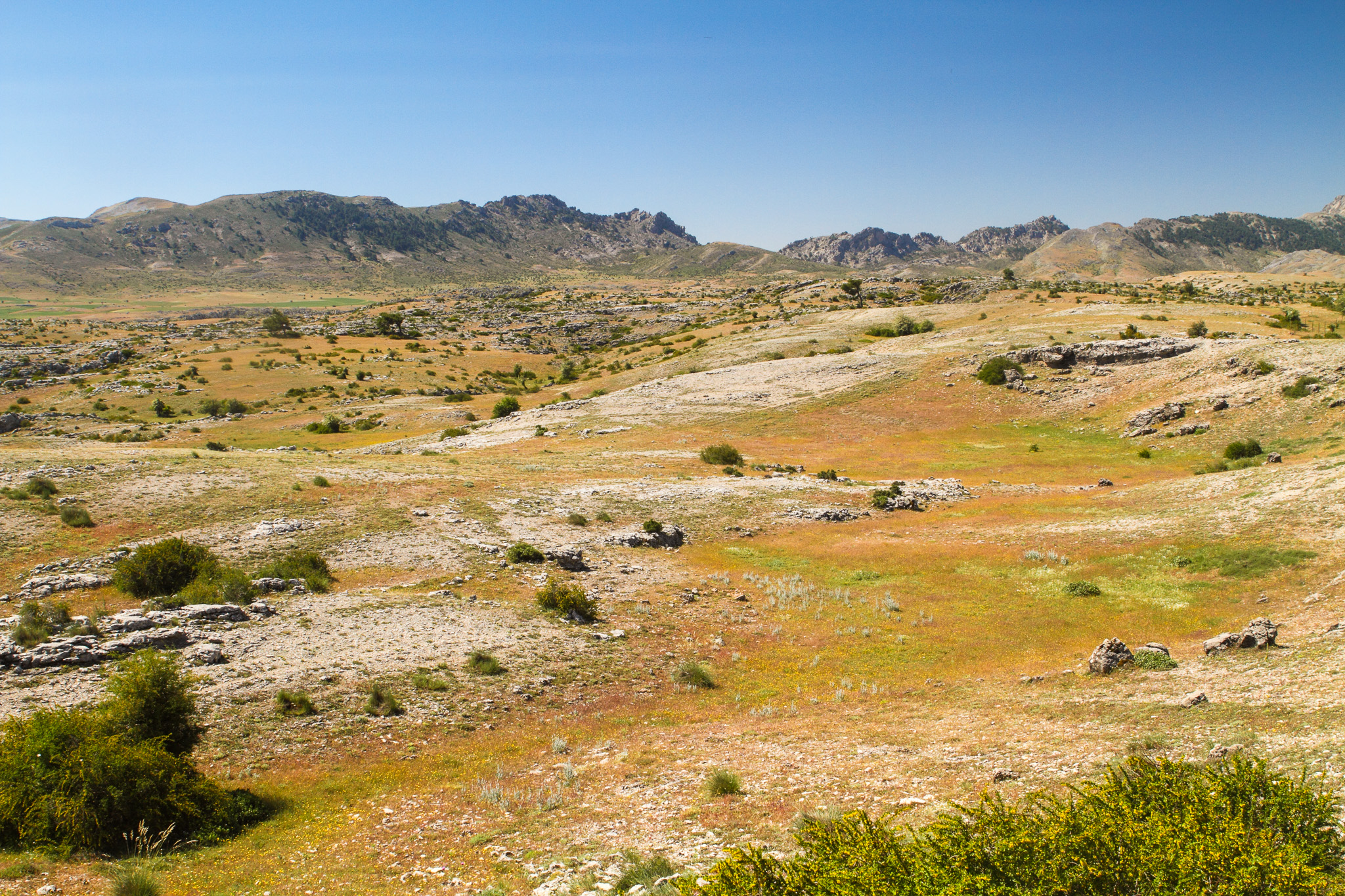
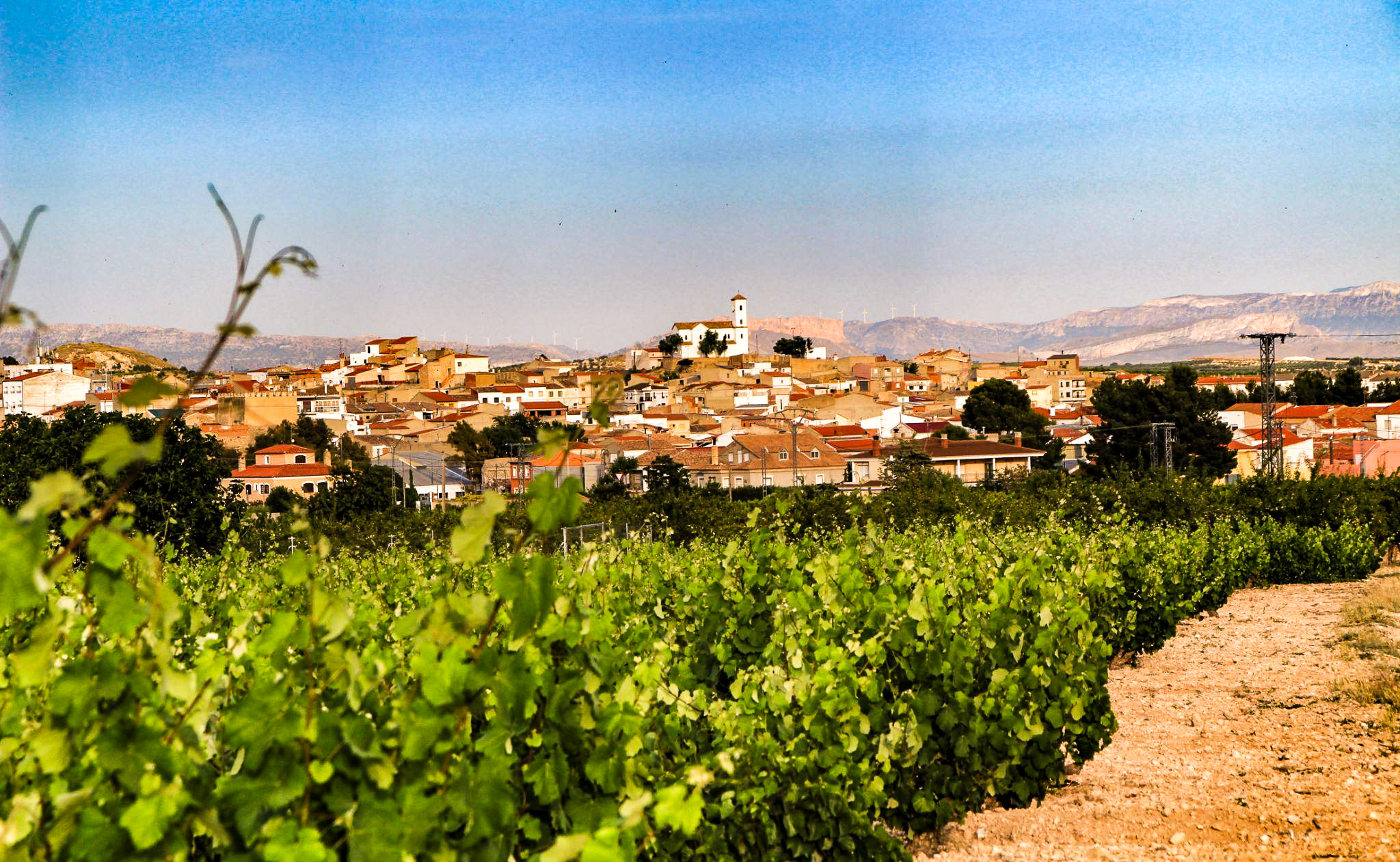
We pass through the colourful village of Les Covetes before crossing the high altiplano. The landscape here is a world away from yesterday’s Mediterranean coast, with vineyards spreading across the dry plateau beneath the surrounding mountains passing through and near genuine Spanish towns, a far cry from the Costa Blanca behind you. (B, L)
Highlights
• Les Covetes – A colourful little village tucked into the foothills of the mountains.
• Sierras del Maigmó and del Carche – A scenic mountain setting (rugged and dry) and the setting of some of the day’s more rewarding climbs.
• The Jumilla vineyards – Vineyards dominate the landscape around the town, with the local Monastrell grape at the heart of its wine production.
• Jumilla – Finish in one of Spain’s best-known wine regions, with the opportunity to discover some of the local wines and explore the town that evening.
Jumilla to Riopar
69 miles / 111km & 4,450 feet / 1,356m ascent
The riding gets better and better as we head deeper into the Spanish interior. We leave Jumilla behind on fast, open roads, crossing the high country towards Elche de la Sierra, where the landscape begins to change dramatically. This is a day for enjoying the road itself: long, quiet stretches, big skies and increasingly impressive mountain scenery as we make our way towards the Sierra del Segura and some really fast miles.
Elche de la Sierra marks the gateway to the mountains, and from here the route becomes more sinuous as we gradually gain height. The final section follows the Río Mundo through a beautiful wooded valley towards Riópar, surrounded by the mountains. Riópar itself is a lovely place to arrive after a long day in the saddle. The town sits in a mountain valley on the edge of the Calares del Mundo y de la Sima natural park, one of the most spectacular areas of the region. The famous Nacimiento del Río Mundo, where the river bursts from the mountainside in a dramatic waterfall, is just a few kilometres beyond the town - we will visit that and the old town first thing tomorrow. (B, L)
Highlights
• The road to Elche de la Sierra – Fast, open riding through the high country, with very little traffic and huge views as we make our way towards the mountains.
• Elche de la Sierra – A small mountain town and a natural gateway into the Sierra del Segura, marking the point where the character of the ride really starts to change.
• Sierra del Segura – The final part of the day brings increasingly dramatic scenery, with pine-covered slopes, rocky mountains and the Río Mundo valley.
• Río Mundo – Follow the river towards its source, riding through the wooded valley as the mountains close in around you.
Riopar to Sierra de Segura
40 miles / 64km & 4,500 feet / 1,372m ascent
Optional extra loop: 25 miles / 40km & 2,575 feet / 785m ascent (not included in route stats)
Today is a shorter day, but the climbing definitely ramps up a bit - especially if you do the extra loop! Our riding today takes us deeper into the mountains. We begin with an optional short ride up to Riópar Viejo, the atmospheric old village perched above the valley, before heading on through quiet, wooded roads towards the mountains of the Sierra de Segura.
There’s also a detour to the spectacular Nacimiento del Río Mundo, where the river emerges from the limestone cliffs in a dramatic waterfall. It’s a short walk of around 800m to reach the viewpoint, and the van will be on hand with walking shoes for anyone who needs them.
We then continue through the beautiful mountain scenery towards Segura de la Sierra, a wonderfully preserved hilltop village with narrow lanes, whitewashed houses and far-reaching views across the surrounding sierras. There’s plenty of time to explore on foot, find somewhere for a coffee or simply enjoy the mountain air.
And for anyone who still has plenty of enthusiasm – or has somehow forgotten that we’ve already been cycling uphill – the cycle guide will lead an optional extra loop through the mountain villages of Orcera, Benatae and Puerta de la Sierra. (B, L)
Highlights
• Riópar Viejo – Wander around the old village, with its medieval castle, church and superb views over the surrounding mountains.
• Nacimiento del Río Mundo – Walk through the woods to see the Río Mundo bursting dramatically from the limestone cliffs. A genuine natural highlight of the trip.
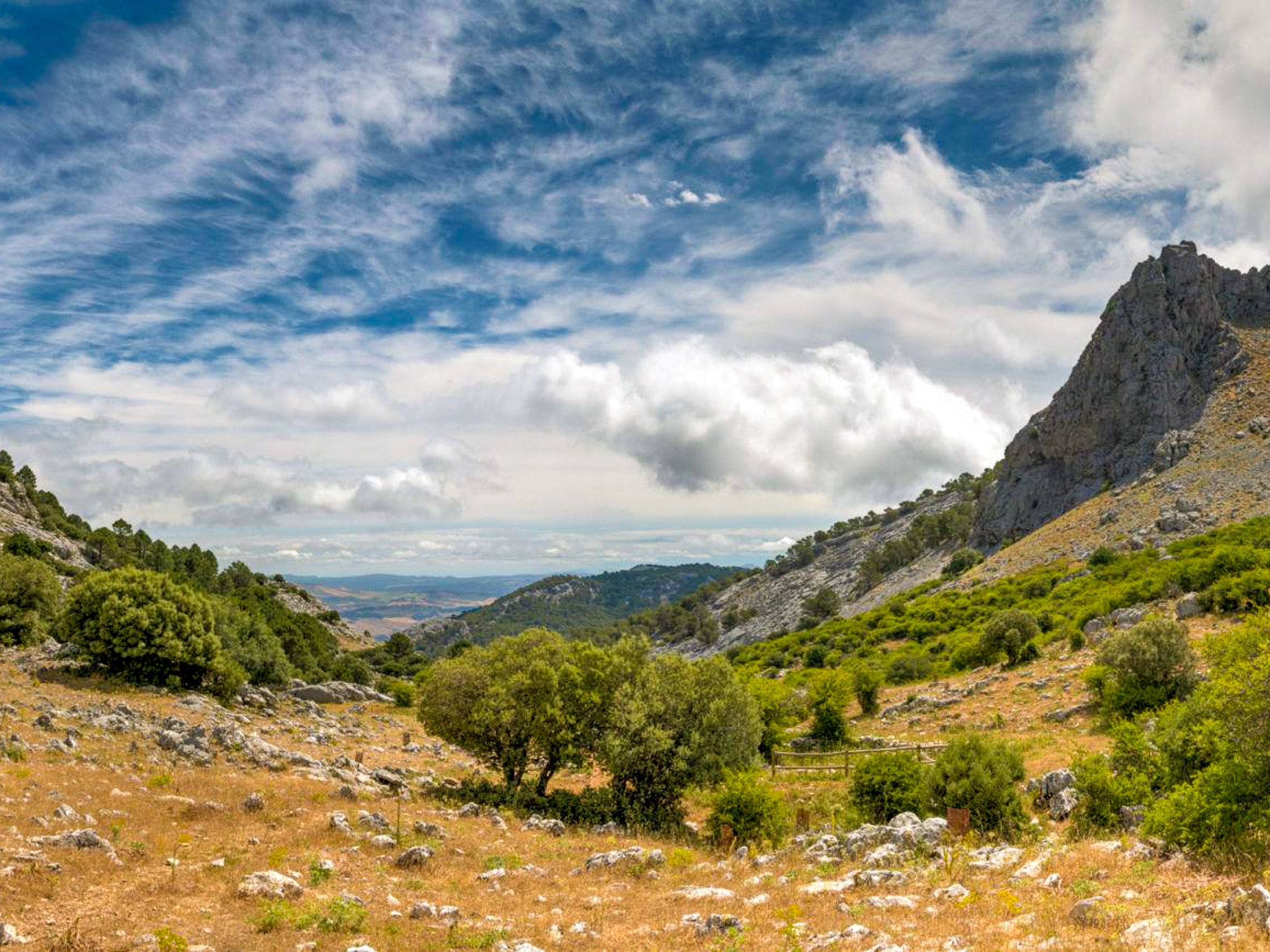
• The Sierra de Segura – Quiet mountain roads wind through pine forests and rugged scenery as we cross into one of the most beautiful parts of inland Andalucía.
• Segura de la Sierra – A spectacular whitewashed village perched high on the mountainside, with a castle at its summit and extraordinary views across the surrounding countryside.
• Optional mountain loop – For those who want more, add 25 miles and 2,575 feet of climbing through Orcera, Benatae and Puerta de la Sierra – a chance to explore some of the smaller mountain villages that most visitors would never reach.
Sierra de Segura to Cazorla
55 miles / 89km & 4,700 feet / 1,433m ascent
We leave Segura de la Sierra with a long, well-earned descent into the valleys before joining quiet mountain roads through the Parque Natural de las Sierras de Cazorla, Segura y Las Villas, one of the lesser-known of Andalucía's protected natural areas – far quieter as a result, but no less beautiful. It is the largest protected natural area in Spain, covering an enormous area of mountains, forests, rivers and deep valleys, and is particularly rich in wildlife.
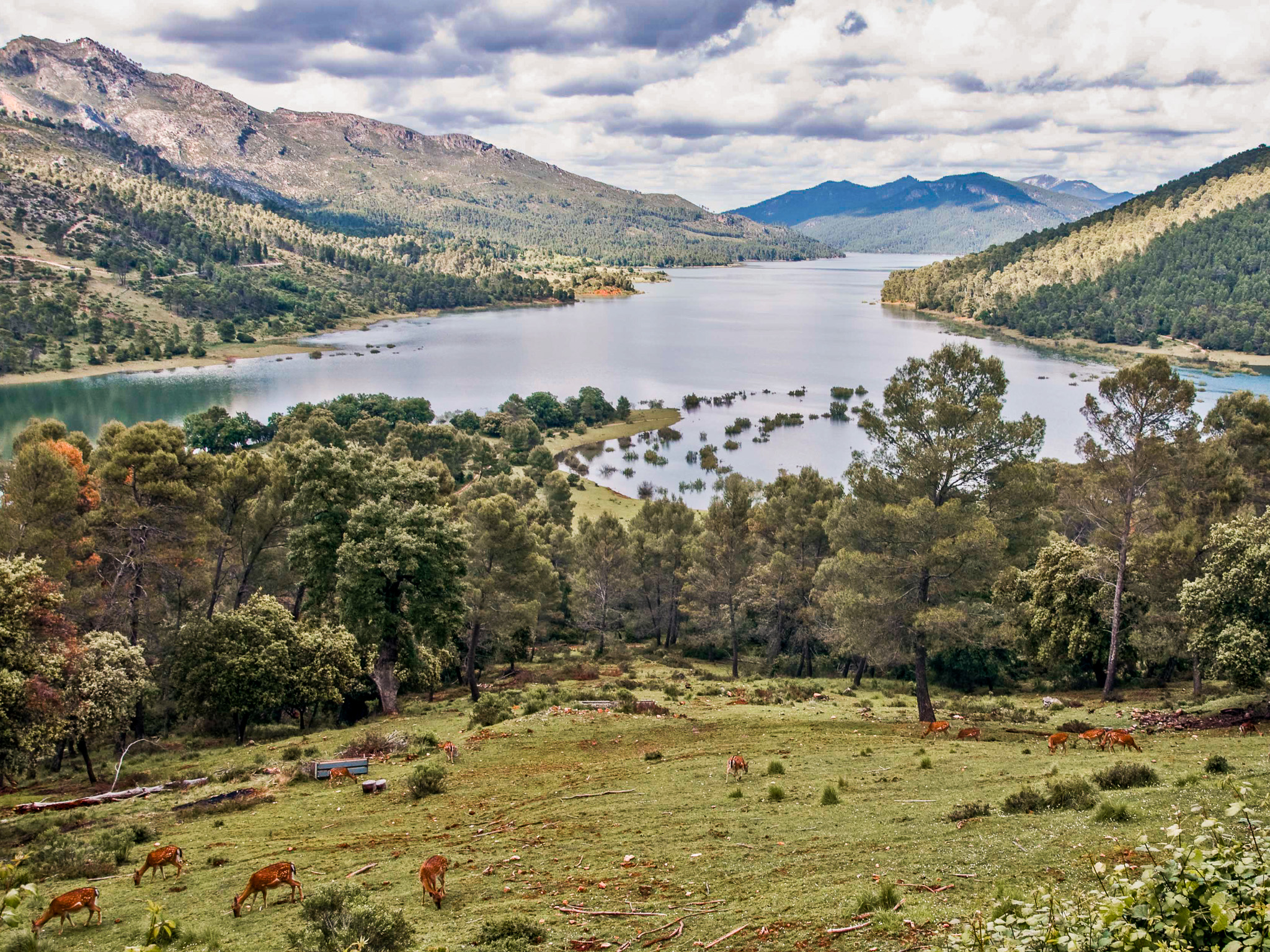
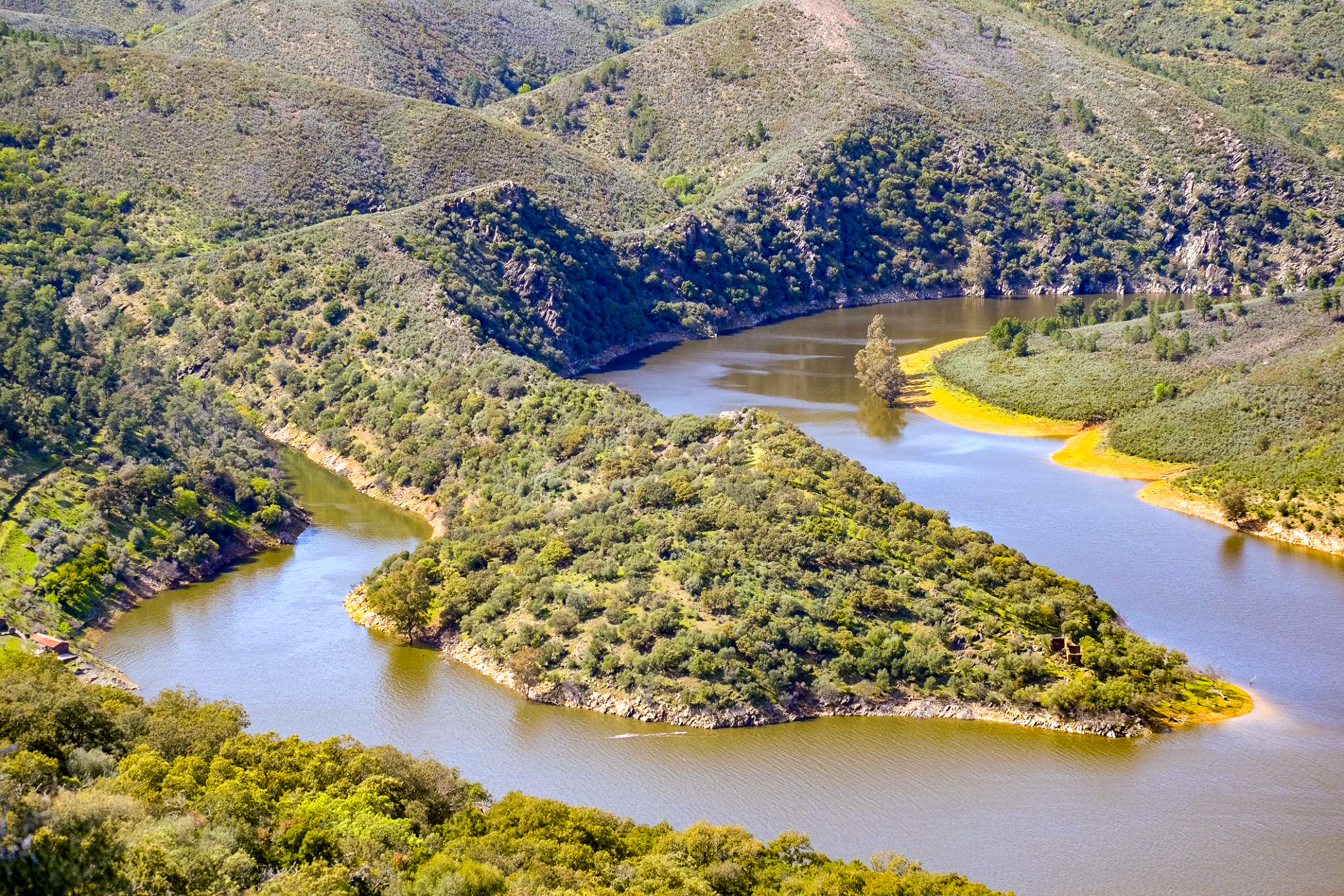
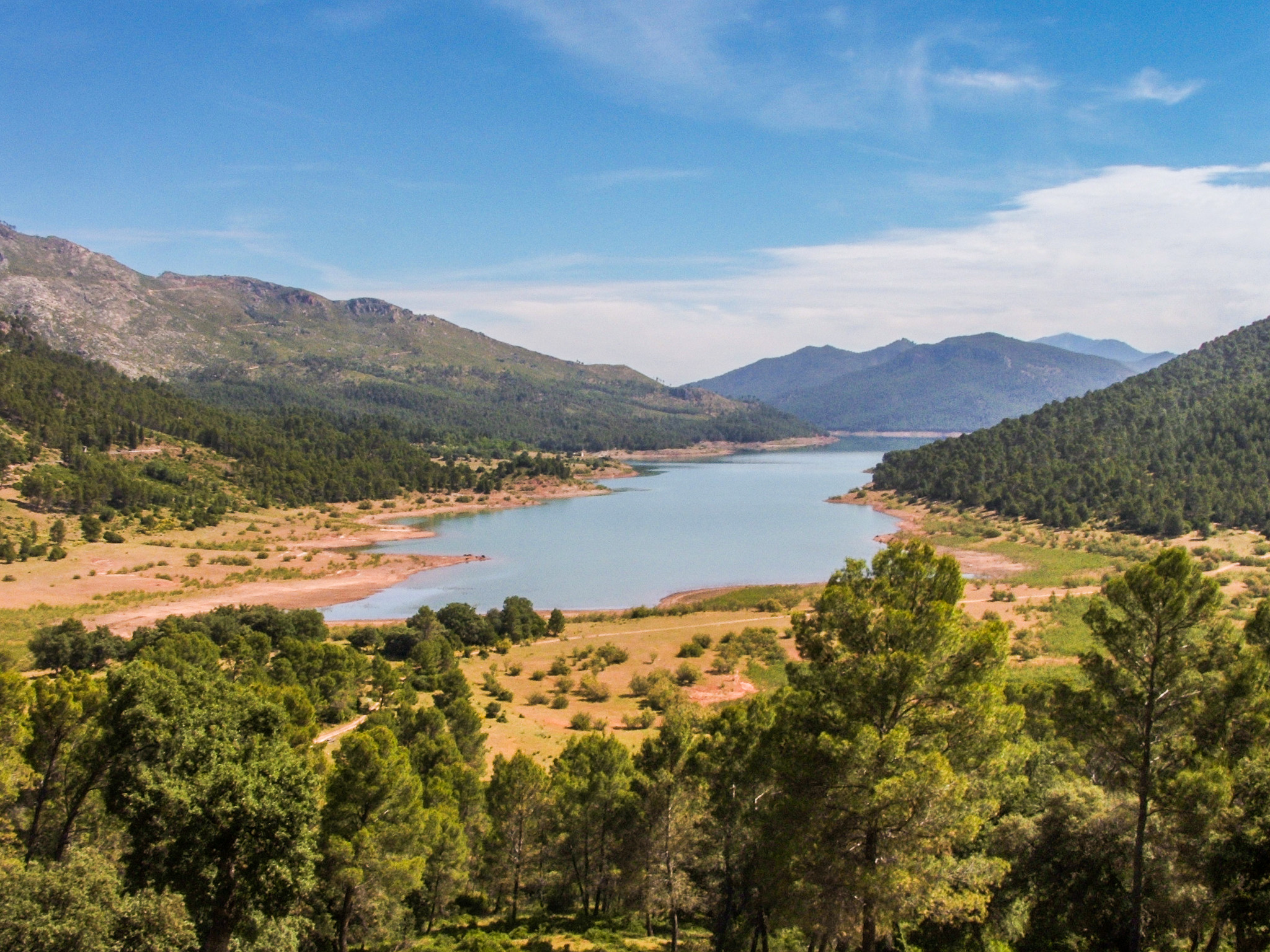
The route then follows the shores of the Tranco de Beas reservoir for much of the day. At this time of year the water should be at its fullest, and the road climbs and descends repeatedly along the shoreline. Just when the mileage suggests we must be nearing Cazorla, we have one final treat – or sting in the tail, depending on your perspective – as we climb up and over the 4,000-foot Puerto de las Palomas. Fear not: we start the climb from a good height, and from the summit it’s downhill into town. (B, L)
Highlights
• Tranco de Beas – The reservoir was created in the 1940s by damming the Guadalquivir and is now an important habitat for wildlife, including golden eagles, griffon vultures and otters.
• Mountain wildlife – Keep an eye out as we ride through the park: wild boar, ibex and deer are all found here, while the skies are home to some impressive birds of prey.
• Cazorla’s old town – Take time to explore the maze of steep lanes, small squares and old stone buildings. The town's castle and church are built dramatically into the hillside above it.
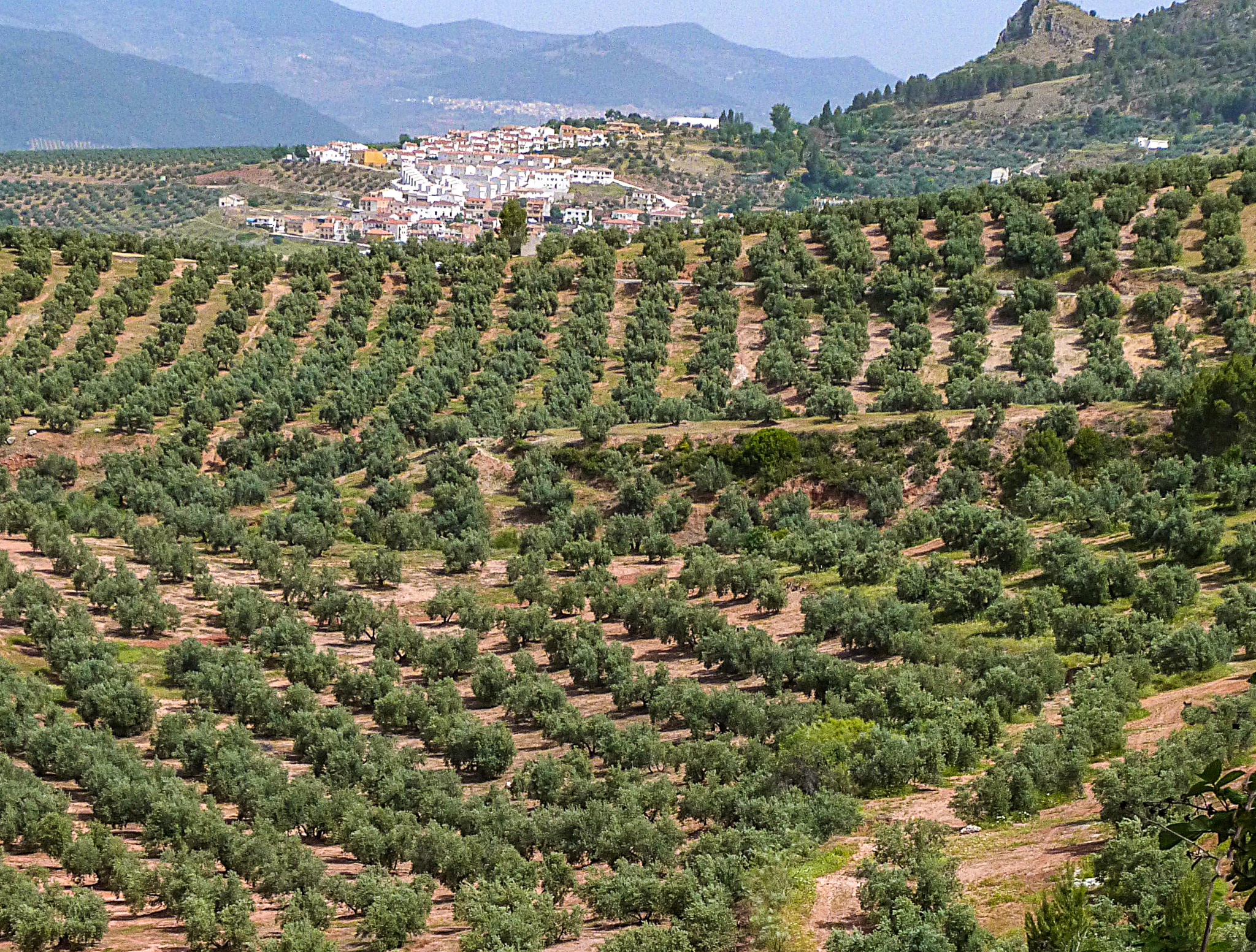
• Olive oil – This is prime olive-growing country, and Cazorla is at the heart of the Sierra de Cazorla PDO, so it’s a good place to try some of the region’s excellent extra-virgin olive oil.
Cazorla to Gorafe
67 miles / 108km & 6,475 feet / 1,974m ascent
To call today a day of transitions vastly underestimates just how dramatically the landscape changes as we cross the mountains towards Gorafe. We begin in more wooded, mountainous country, riding towards Quesada, a traditional whitewashed town tucked beneath the Sierra de Cazorla. From here the road climbs steadily towards the Puerto de Tíscar, where the van will meet us for a well-earned coffee stop.
There’s time here to explore the curious Cave of the Virgin of Tíscar and the nearby Pilón waterfall before we continue deeper into the mountains. The riding remains wonderfully twisty, with two superb winding descents towards Pozo Alcón – and, inevitably, another climb or two in between them!
Beyond Pozo Alcón the landscape changes dramatically. The vegetation becomes sparse and the mountains increasingly rugged and bare, making the vivid blue waters of the Negratín reservoir all the more striking. We can’t take the most direct route to Gorafe because of the mountains in our way, so the road loops south before turning north again towards our destination: the small mountain village of Gorafe, perched above one of the most extraordinary landscapes in Andalucía. (B, L)
Highlights
• Puerto de Tíscar – A rewarding mountain climb through increasingly rugged scenery, with the road winding through the Sierra de Quesada.
• Cave of the Virgin of Tíscar – A small sanctuary built into the mountainside around a cave, associated with the Virgen de Tíscar, the patron saint of Quesada. Nearby, the Pilón waterfall drops through the limestone gorge.
• Negratín reservoir – One of the largest reservoirs in Andalucía, with intensely blue water contrasting spectacularly with the dry, almost desert-like hills around it. The surrounding landscape has an almost Wild West feel.
• Gorafe – A tiny village surrounded by extraordinary badlands, ravines and cliffs. The wider area is also famous for its prehistoric dolmens, built thousands of years ago by communities who lived here long before the Romans arrived.
Gorafe to Granada
57 miles / 92km & 3,850 feet / 1,173m ascent
Granada is one of the great highlights of any visit to Andalucía, and a massive highlight of our Iberia C2C. We’ll make an early start today to maximise our time in the city. From Gorafe we head towards Guadix before turning west to La Peza and joining the Aguas Blancas road, a superb stretch of quiet mountain riding. We continue through Quéntar and along the valley towards Granada, with the Sierra Nevada rising to the south as we get closer to the city.
There should be time this afternoon to explore Granada and, for those who have booked ahead, perhaps visit the Alhambra. (B, L)
Highlights
• Guadix cave houses – The soft clay hills around Guadix have been inhabited for centuries, with hundreds of homes carved directly into the hillsides. Many remain lived in today.
• Sierra Nevada – The mountains provide a spectacular backdrop to Granada, with Mulhacén rising to 3,479m. On a clear day, the contrast between the city and the high peaks is extraordinary.
• Albaicín – Wander the atmospheric old Moorish quarter, a maze of narrow streets, whitewashed houses and hidden squares climbing the hillside opposite the Alhambra.
• The Alhambra – The extraordinary palace and fortress complex is Granada’s defining sight, with its Nasrid palaces, intricate gardens and views across the city. Timed tickets are essential if you want to visit.
• Tapas in Granada – One of the great pleasures of finishing a day here is exploring the city’s tapas culture. Many traditional bars still serve a small dish alongside your drink, making it remarkably easy to turn an evening wander into dinner.
Granada to Alcaucin
48 miles / 77km & 4,625 feet / 1,410m ascent
Leaving Granada behind, we head west with the rugged Sierra Tejeda providing a dramatic backdrop as the route gradually moves from open plateau into more mountainous terrain. For the first part of the day the riding is through dry countryside, with olive groves stretching across the landscape as far as the eyes can see and surprisingly little sign of habitation.
After around 20 miles the character of the ride begins to change. The road becomes increasingly sinuous as we gain height, eventually bringing us to Alhama de Granada, spectacularly perched above a deep gorge. From here we continue into the Axarquía, one of Málaga province’s most mountainous and distinctive regions, before finishing in the pretty village of Alcaucín on the edge of the natural park. (B, L)
Highlights
• Alhama de Granada – A wonderfully atmospheric old town dramatically positioned above the Río Alhama gorge, with narrow streets, historic buildings and remnants of its Moorish past. Alhama takes its name from the Arabic word for baths, and its hot springs have been used since Roman times. The town’s historic spa remains a reminder of this long tradition.
• Sierra Tejeda – The mountains become an increasingly impressive presence as we head west, with the distinctive peaks of the Sierra Tejeda forming part of the largest protected natural area in Málaga province.
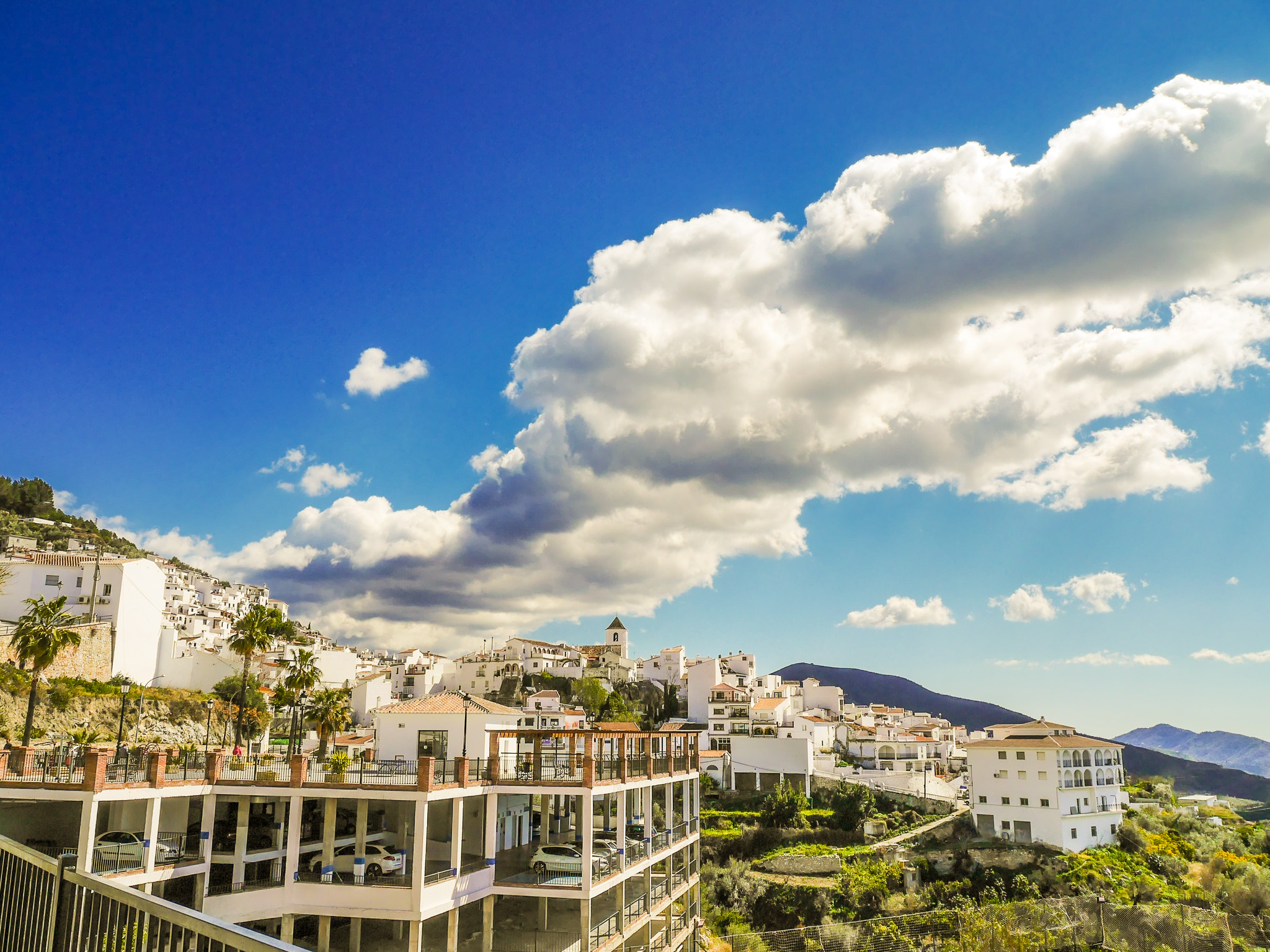
• Axarquía – This mountainous corner of Málaga is very different from the Costa del Sol stereotype, with white villages scattered among steep valleys, olive groves, vineyards and subtropical crops.
• Alcaucín – A small whitewashed mountain village at the foot of the Sierra Tejeda, with the Parque Natural Sierras de Tejeda, Almijara y Alhama on its doorstep – a peaceful place to finish another substantial day in the saddle.
Alcaucin to Malaga
52 miles / 84km & 3,275 feet / 998m ascent
Today we arrive in Málaga on a bit of a high. We climb through the Axarquía towards Cómpeta and beyond, with some of the best riding of the tour so far. Our Cycling Development Manager has ridden extensively in Spain, and Andalucía in particular, and this is probably her favourite stretch she has ever ridden: quiet, well-surfaced roads, spectacular views and a succession of beautifully maintained villages.
There’s a remarkable 5,250 feet of descending today, so eventually the Mediterranean comes back into view. After a coffee stop in Cómpeta’s square, we wind down to Torre del Mar and then follow the coast towards Málaga. The final section uses the state road, but with the motorway taking most of the fast traffic, it makes for enjoyable seaside riding all the way into the city. (B, L)
Highlights
• Cómpeta – Famous locally for its sweet Moscatel wine and annual Noche del Vino festival. Its hillside setting also makes the main square an excellent coffee stop.
• Spring in the Axarquía – March is a particularly good time to ride here, with almond blossom adding colour to the dry mountain landscape.
• 5,250 feet of descent – One of those days where the elevation profile tells much of the story. Once the climbing is done, there’s a very satisfying amount of downhill to come.
• Málaga – If you have time after arriving, explore the historic centre, visit the Roman theatre and Alcazaba, or simply settle into one of the city's many tapas bars.
• Stage 1 of the Iberia C2C complete – After mountains, reservoirs, white villages, olive groves and the Sierra Nevada, we finish our journey at the Mediterranean once more.
Departure day
You’re free to check out of the hotel in your own time and make your way home or on to your next destination. Or, if you have the time, we’d definitely recommend staying on in Málaga for a day or two. It’s a lively, relaxed city with a great mix of history, culture, beaches and food, and is easy to explore on foot. The old centre is full of narrow streets, sunny squares, tapas bars and cafés, while the waterfront and long sandy beaches are perfect for a slower day after all that cycling. And if you’re not quite ready to hang up your cycling shoes, there’s some fabulous riding in the hills just outside the city.
Highlights:
- Alcazaba and Roman Theatre – a Moorish fortress overlooking the old city, with the remains of Málaga’s Roman theatre at its foot.
- Picasso Museum – Málaga was Picasso’s birthplace, and the museum has a substantial collection of his work.
- Málaga Cathedral – an impressive Renaissance cathedral in the heart of the old town.
- Atarazanas Market – a lively food market housed in a beautifully restored 19th-century building, ideal for a wander and a bite to eat.
- Beaches and waterfront – head to La Malagueta or stroll along Muelle Uno for sea views, restaurants and a final taste of the Mediterranean.