


How to Prepare for a Cycling Holiday: Expert Tips from a Retired Cycle Coach
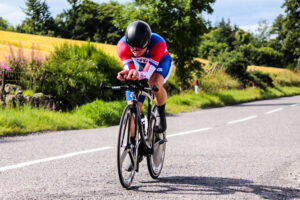 Planning a cycling holiday but worried you’re not fit enough? You’re not alone. Whether your trip is 1 month, 3 months, or 6 months away, knowing how to prepare for a cycling holiday can make all the difference.
We caught up with retired cycle coach and accomplished time trialist Jon Entwistle from Derwent Valley Cycling Club in Cumbria to get practical, no-nonsense advice on training, nutrition, and mindset. His message is simple: you’re probably more ready than you think.
“I Haven’t Ridden Enough This Winter” – What Should I Do?
First things first: don’t panic.
According to Jon, most cyclists underestimate how much base fitness they’ve built over winter. Very few riders feel fully prepared when spring arrives—it’s completely normal.
Cycling Holiday Training Plan: 1 Month to Go
With only a month to prepare for a cycling holiday, consistency matters more than intensity.
- Ride little and often (think 1 hour every other day) rather than a long ride at the weekend
- Increase your training load gradually—around 10% per week
- Avoid “binge training”, which can lead to injury or illness
- Prioritise recovery: rest is just as important as training
Remember: you’ll also gain a natural fitness boost during your cycling holiday thanks to adrenaline.
3 Months to Go: Build Endurance and Speed
With more time, you can start adding variety:
- Introduce interval training and short sprints
- Increase distance with longer weekend rides
- Complete at least one ride that’s 20% longer than your toughest day on tour for a psychological boost
Just as important: keep it enjoyable. Ride with purpose—visit friends, go out to post a letter, or reward yourself with an ice cream. Staying motivated is key to long-term progress.
6 Months to Go: The Long Game
A six-month window allows for a well-rounded cycling fitness plan:
- Mix in cross-training (hiking, swimming, gym work)
- Ride socially to stay motivated
- Take on a big challenge ride (e.g. a 10–12 hour sportive)
- Repeat a big ride a couple of months later to track progress
The goal isn’t to peak early—it’s to build steadily so you’re strongest during your cycling holiday season.
Can You Get Fit During a Cycling Holiday?
 Yes, definitely—if you pace yourself.
Start your tour at an easy, steady pace and build intensity gradually. Think of your holiday like a multi-day training block: by the end, you’ll definitely be riding stronger than when you started. If you look at pro cyclists at the moment, they are all early season races to prepare for the grand tours. You can do the same on a cycling holiday.
As Jon puts it, “Start slow, and build into the course of the tour like a crescendo. Ride into fitness by being patient at the start rather than going bat-shit-crazy!”
How to Train for Climbing (Even Without Hills)
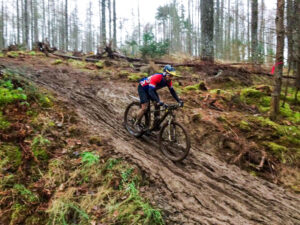
Worried about tackling mountains on your cycling holiday? Climbing is essentially resistance training; working against the pull of gravity.
If you have hills nearby, learn to love them! If you don’t, simulate the effort:
- Ride into headwinds – yes, by choice!
- Use heavier tyres or a mountain bike
- Try gravel riding on rough terrain
- Focus on steady, controlled efforts rather than speed – getting into the rhythm
It’s as much mental as physical—get comfortable with slower, tougher riding.
Preventing Back Pain on Multi-Day Rides
Back pain can ruin a cycling holiday—but it’s often preventable.
- Check your bike fit: incorrect sizing or setup is a common cause
- Consider a professional bike fitting, ideally with a physio-informed specialist
- Strengthen your core and improve flexibility
- Focus on functional strength training (movement-based exercises rather than static weights)
And as Jon adds, “cycling is in fact often weirdly good for people with back pain…”
Cycling Nutrition and Hydration Tips
When it comes to fuel, there’s no one-size-fits-all approach.
- Eat foods you enjoy—energy gels are optional
- Test your nutrition strategy on training rides – experiment with different things, and how long you can go without eating! (editor’s note – please do have emergency snacks to hand!)
- Aim for a balanced diet rather than all sugar and carbs
Hydration is just as important, but the important thing is for it to feel natural not forced.
- Learn to listen to your body’s signals
- Don’t overthink it – drink when you need to
On a fully supported cycling holiday, meals are covered—but what you eat and drink on the bike still matters.
How to Stay Fit Over Winter
Want to hit spring in better shape next year? Rethink winter training.
- Focus on staying active, not chasing performance metrics
- Mix it up: gravel riding, mountain biking, hiking, or even just walking the dog
- Try other sports like swimming, badminton, or gym work
- Prioritise mental wellbeing—fresh air beats indoor training for motivation
A “happy head = happy legs,” as Jon says. “So just get out!”
Final Advice: Arrive Fresh, Not Burnt Out
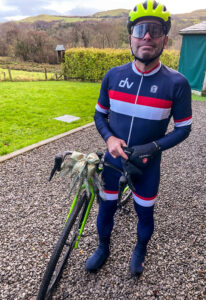 When your cycling holiday finally arrives, you’ll feel a mix of excitement and nerves—use that energy. BUT:
- Don’t overtrain before your trip
- It’s better to be slightly undertrained than exhausted
- Listen to your body and adapt as you go
Most importantly, remember: the best coach is you. Learn what works, stay flexible, and enjoy the ride.
Ready to Book Your Cycling Holiday?
Whether you’re heading to the mountains or exploring quiet coastal roads, the right preparation will help you get the most out of your trip.
Start small, stay consistent, and trust the process—you’re already closer than you think. 🚴♂️
See our full calendar of tours and to book your next adventure now! In 1 month there is the North Coast 500, in 3 months our Tour of Flanders, and in 6 months? Still plenty of time to train for Costa Blanca Coast and Climbs!
PS and allowing John the last words. “Look after yourself. If you feel tired then sleep. Hungry, eat. If you get cramp while training then vinegar or wasabi or lemon are all good options.” Best get collecting wasabi sachets from your sushi lunches then…!
Jon Entwistle biography: Jon Entwistle is an accomplished cyclist and has recently retired from working as a British Cycling qualified coach. His coaching clients ranged from Primary School kids and Youth Groups, to female specific coaching and working with private clients from all disciplines of cycling. Clients’ objectives ranged from simply getting fitter to winning the Celtman (and one client did!)
In his own riding, Jon has achieved significant success in time trials, including winning multiple Scottish National events, and completing the Strathpuffer 24hr mountain bike race. He holds a PhD in aerodynamics (in a different field) which he applied to riding efficiently on the bike.
These days he is based just south of Cockermouth in the Western Lake District. He still enjoys pro bono coaching and supporting fellow members of his beloved Derwent Valley Cycling Club.
