
Iberia C2C – Stage 2
Tour Dates
4 April 2027 – 12 April 2027 – Price £1795 per person. Spaces available.
This departure will be led by Lucy Burnett
Single person supplement – £495
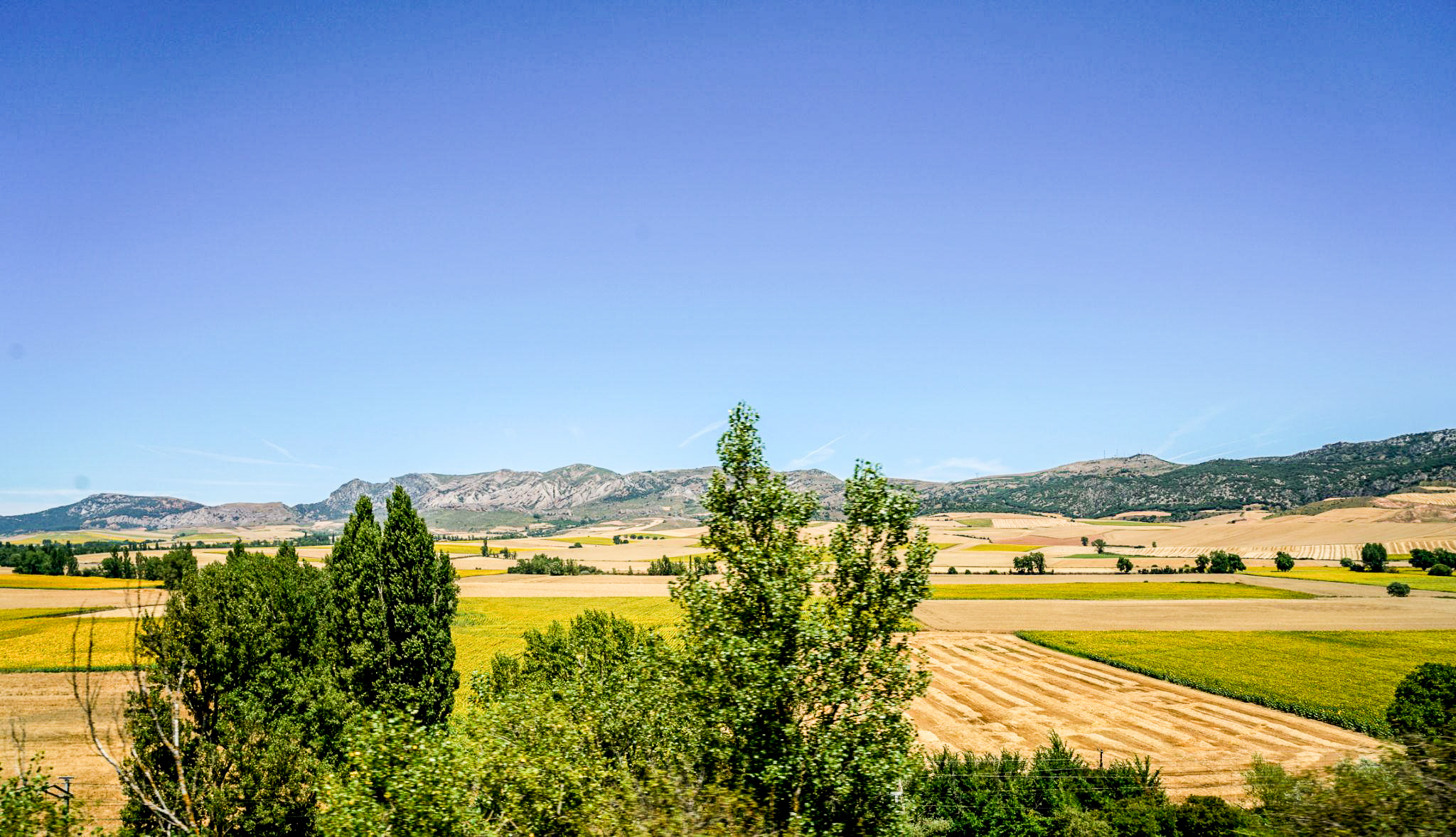
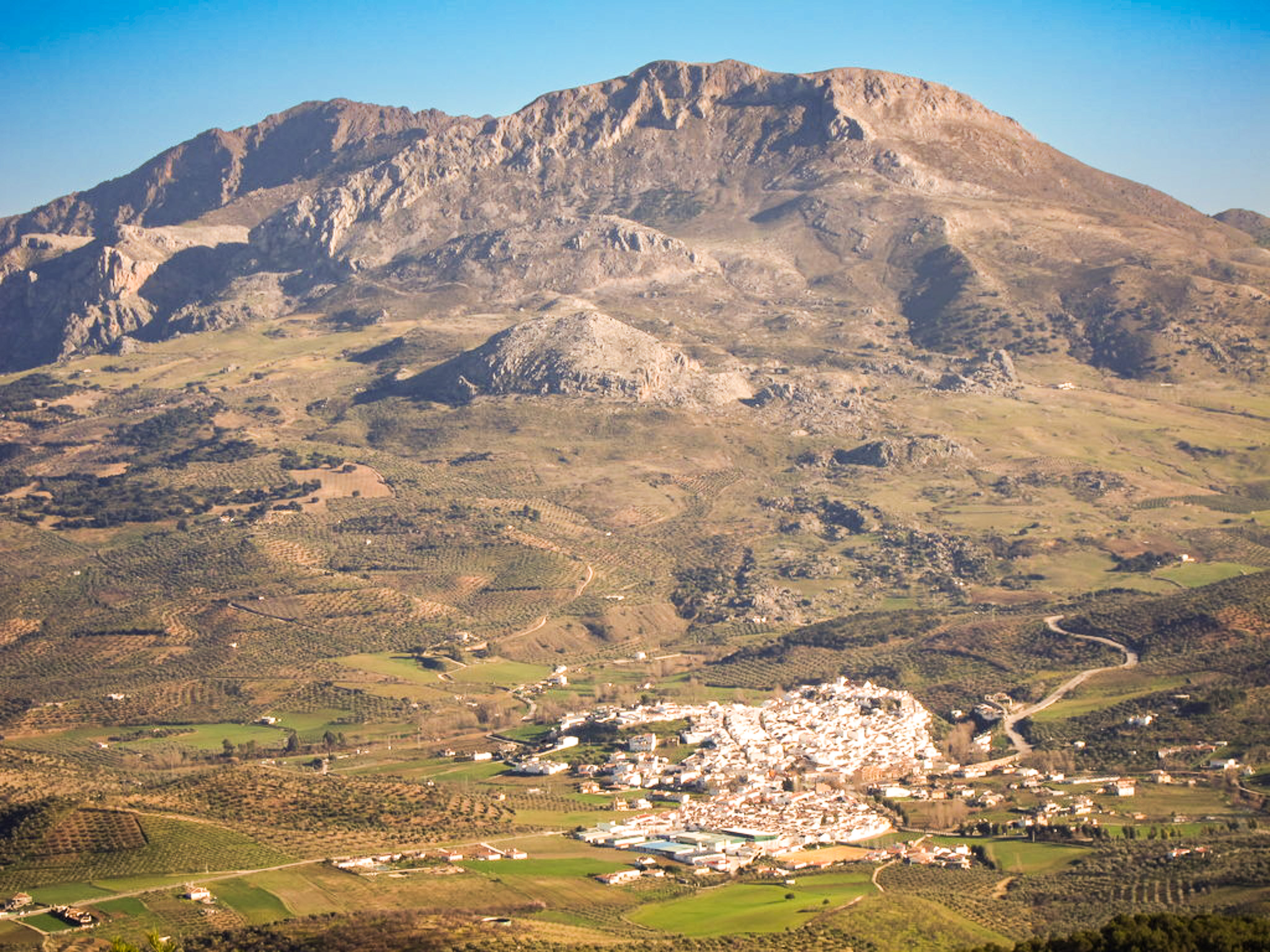
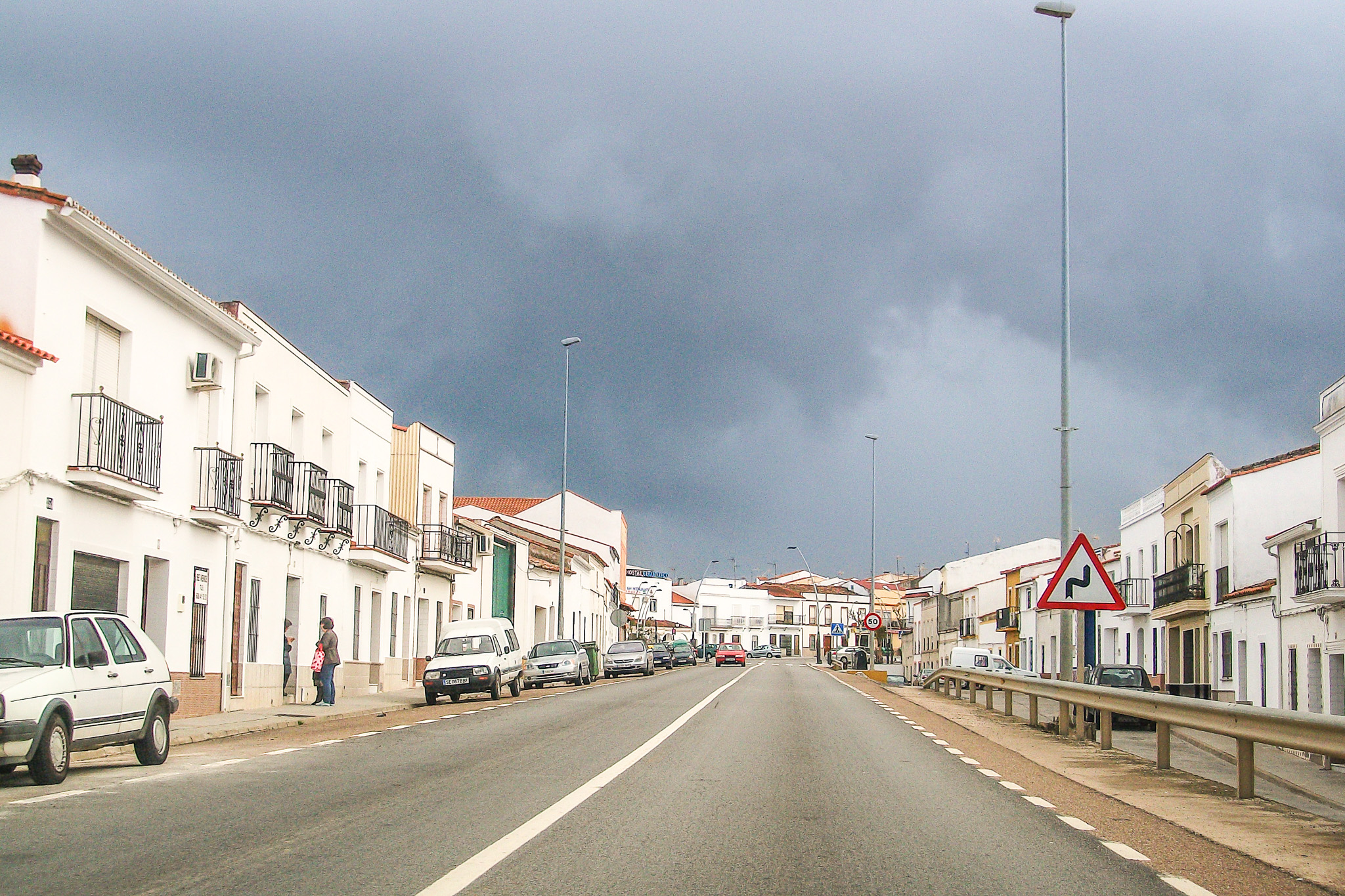
Ride from the Mediterranean to the Atlantic on Stage 2 of our Iberia Coast to Coast, crossing the mountains and quiet countryside of Andalucía, Extremadura and Portugal before finishing in Lisbon. Along the way you’ll ride through white villages, mountain ranges, cork-oak country and the Alentejo, with time for Seville, Évora, the Atlantic coast and a final ride to Cabo da Roca – the westernmost point of mainland Europe.
Cycling Iberia Coast to Coast Stage 2 – 471 miles / 758km & 26,627 feet / 8,116m ascent
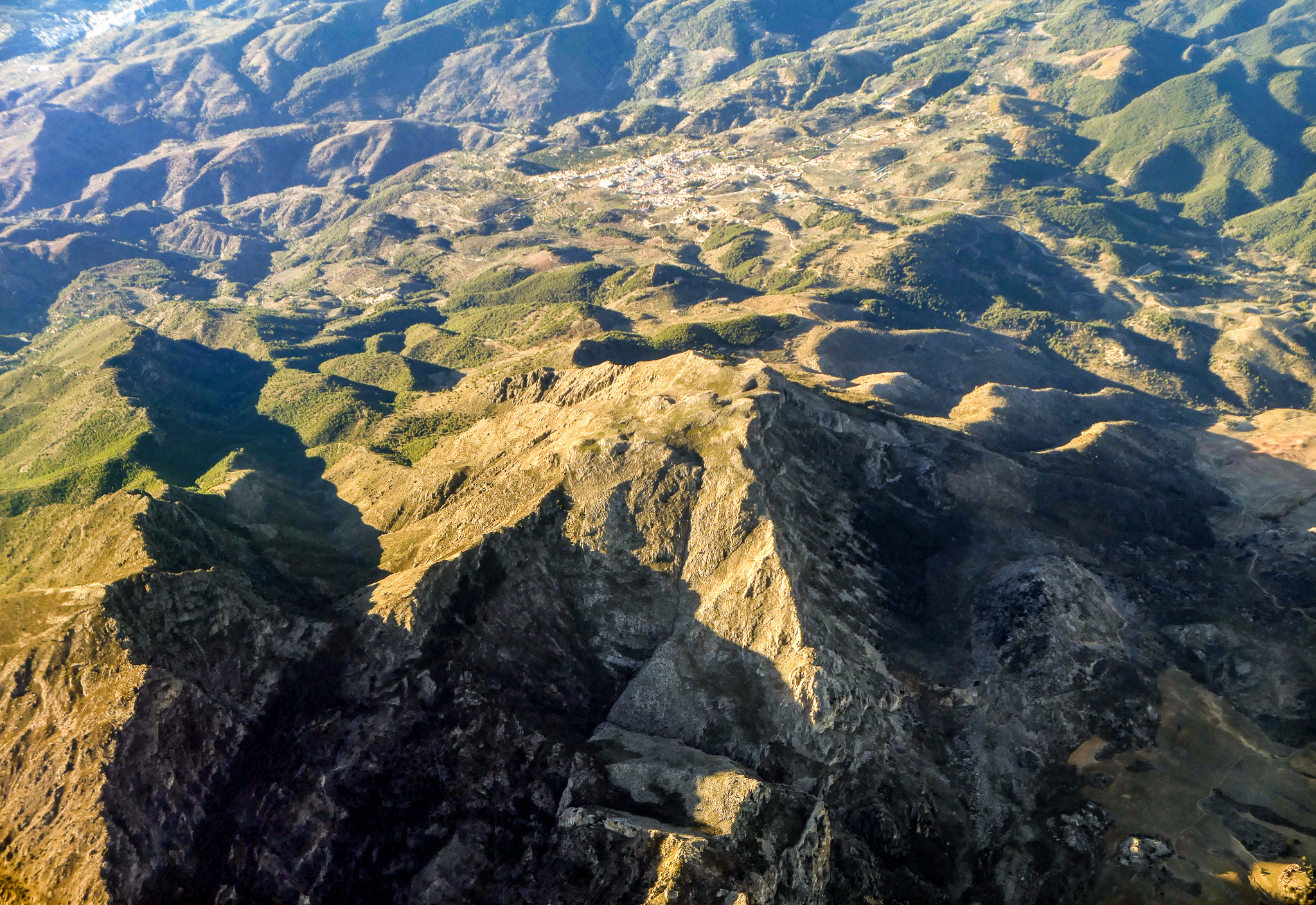
 Stage 2 of our Iberia Coast to Coast continues from the Mediterranean in Málaga to the Atlantic in Lisbon, taking a southern route across Spain and Portugal. From Málaga we climb into the limestone mountains of Andalucía, through the Sierra de las Nieves and the white villages of Ronda and Zahara, before crossing the plains to Seville. From here we head into the quiet, wooded hills of the Sierra Morena and on across the open landscapes of Extremadura, before crossing the border into Portugal.
The second half takes us through the Alentejo, passing the huge Alqueva reservoir and staying in the hilltop village of Monsaraz before reaching Évora, one of Portugal’s great historic cities. We then continue towards the Atlantic, via Setúbal and the Tagus, before taking the ferry into Lisbon. And even then we’re not quite finished: our final ride heads west along the coast to Cascais, Sintra and Cabo da Roca, the westernmost point of mainland Europe, before climbing through the Sintra-Cascais Natural Park and returning to Lisbon for our final night.
This route is up near the top of our Grade 4 category due to a combination of distance and ascent; there is far less asc ent per mile than Stage 1 of the tour but there are some far longer days in terms of mileage. A great one to try if you’ve got some Grade 5 or 6 epics in mind for holidays to come, or simply want to get some serious hills into your legs without destroying yourself.
You might also like to check out Stage 1 of our Iberia C2C from Alicante to Malaga or the full route from Alicante all the way to Lisbon. Alternatively, why don’t you check out our full range of Grade 4 tours.
Highlights:
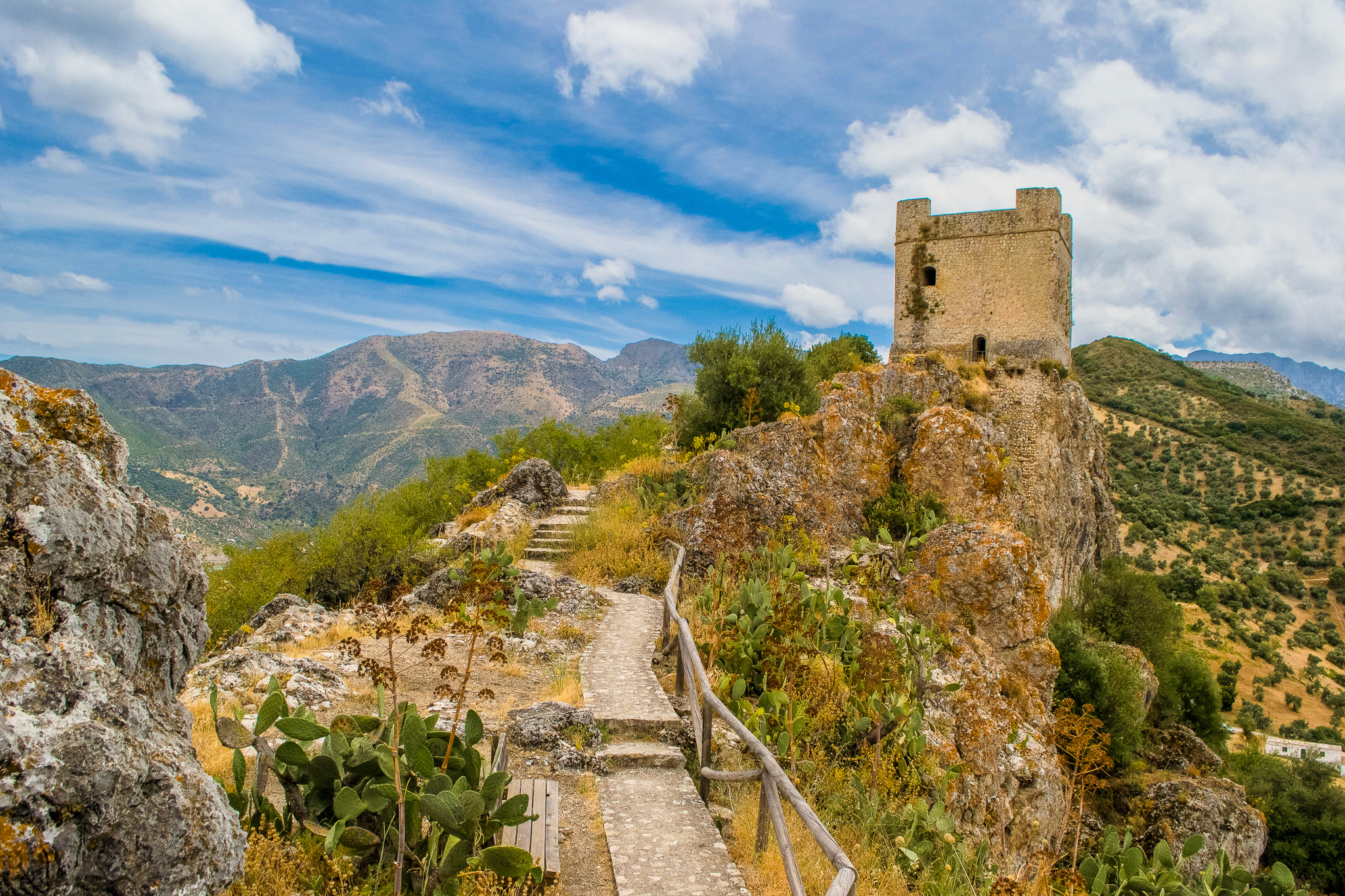
- Ronda & Zahara de la Sierra – two of Andalucía’s most atmospheric mountain towns, surrounded by limestone peaks, gorges and winding roads.
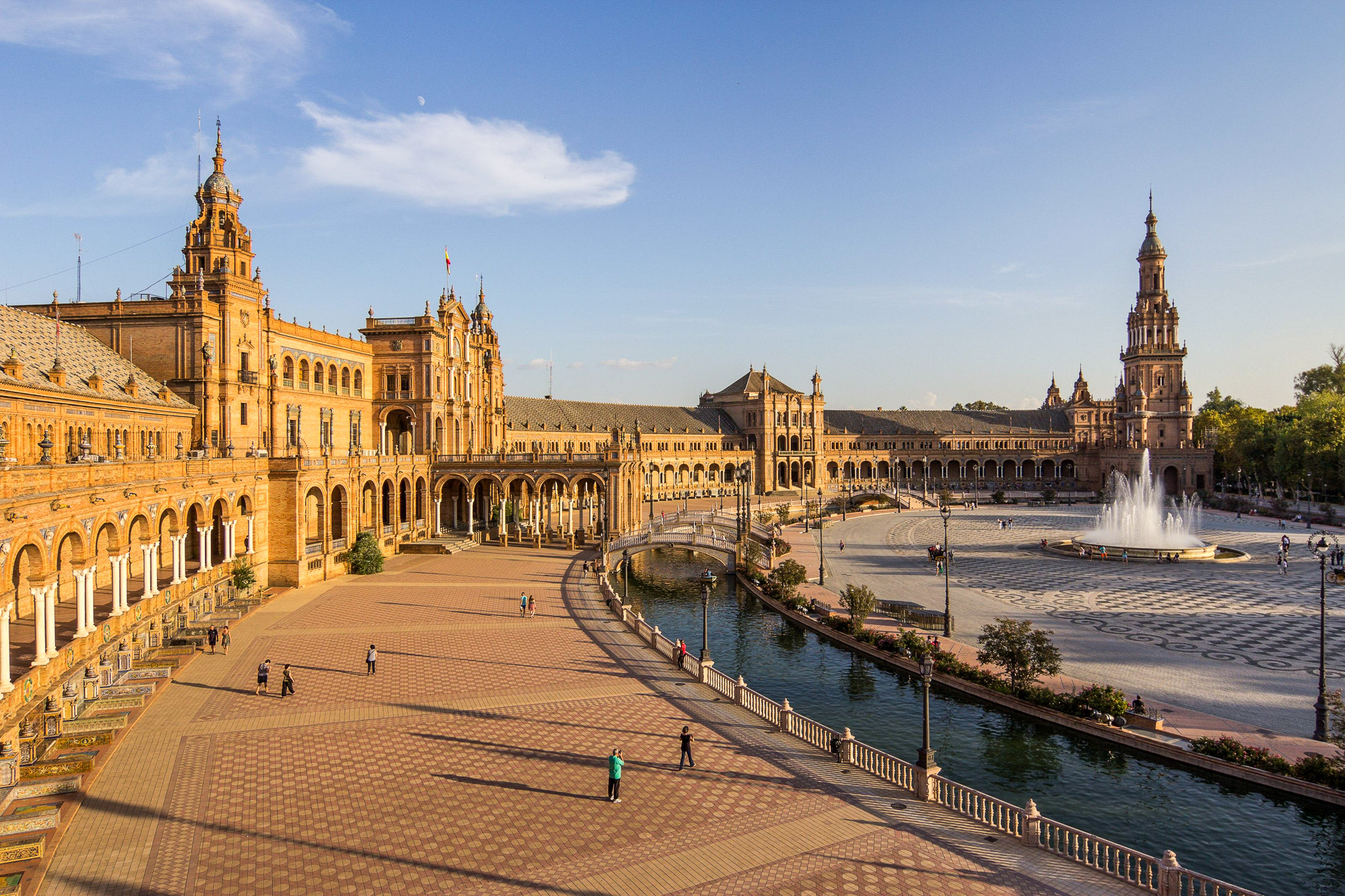
- Seville – one of Spain’s great cities, with the cathedral, Giralda, Alcázar, Plaza de España and some seriously good tapas – and Evora, one of Portugal’s gems
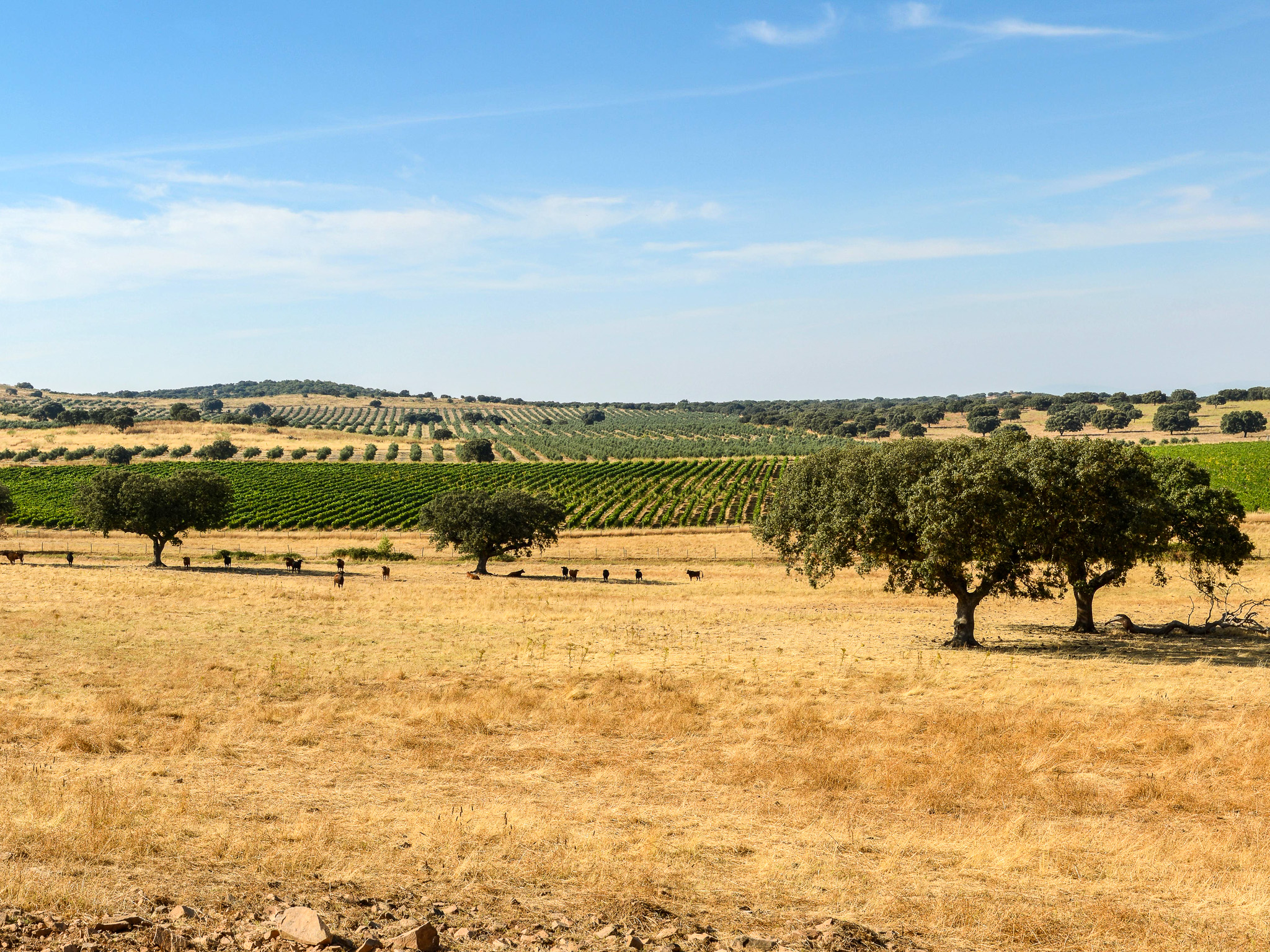
- Sierra Morena & the Alentejo – quieter Spain and Portugal, with wooded hills, cork oaks, vineyards, olive groves and huge open skies.
- Monsaraz & Évora – a tiny medieval hilltop village overlooking the Alqueva reservoir followed by one of Portugal’s finest historic cities.
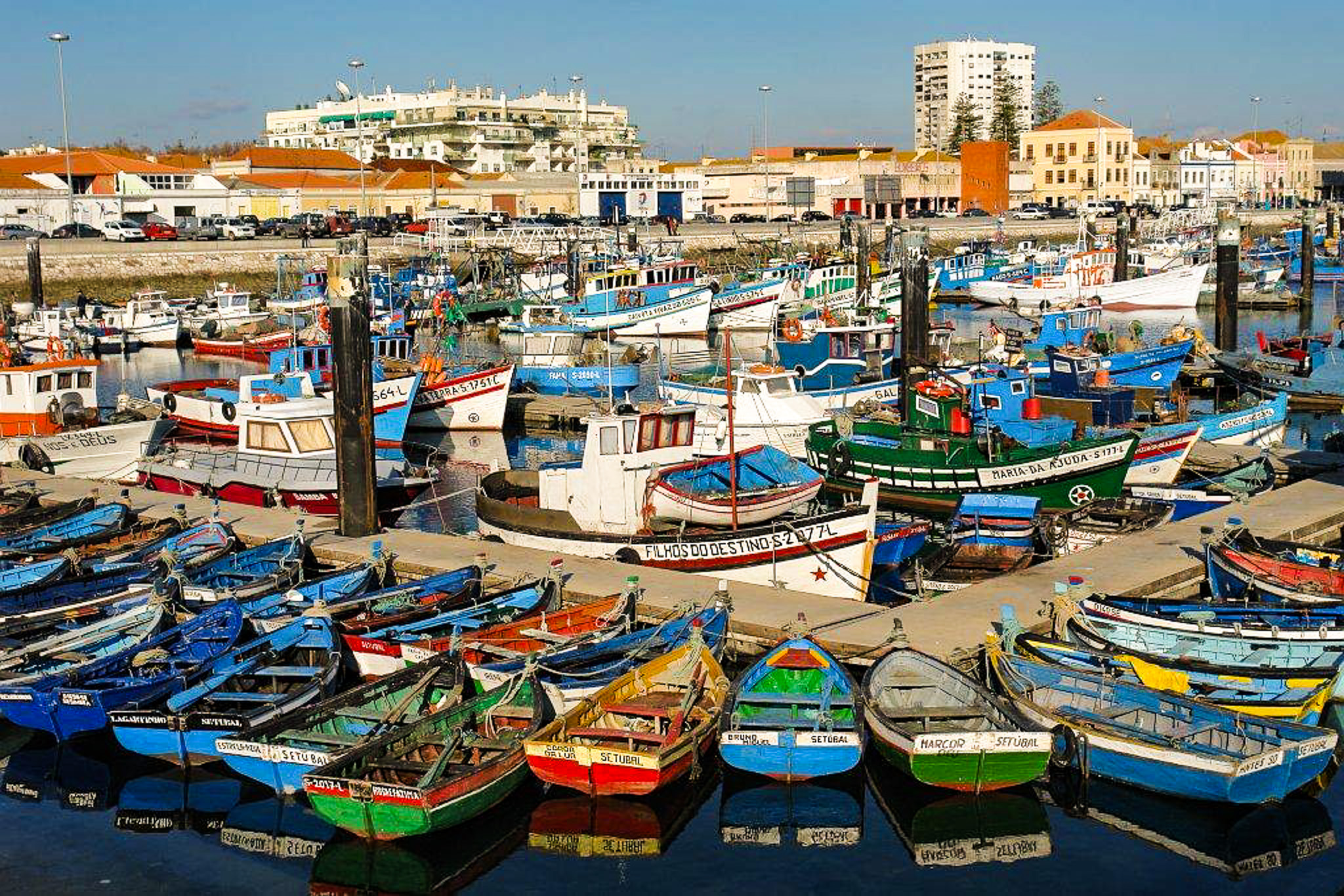
- Setúbal & the Sado – a lively Portuguese fishing city with excellent seafood and a beautiful estuary.
- Lisbon, Sintra & Cabo da Roca – finish at the Atlantic, take the ferry into Lisbon and ride to the westernmost point of mainland Europe before a final night in the Portuguese capital.
Accommodation
Accommodation is on a twin-sharing bed and breakfast basis, in a comfortable hotel or B&B with ensuite facilities.
You pay on a sharing basis, although single rooms are available upon payment of a single person supplement of £495.
Meals
Breakfast will be included in the hotel and picnic lunches will be provided during the cycling days.
You will need to purchase your own evening meals, which are usually eaten communally although you are free to opt out if you wish.
We will carry emergency energy gels and bars in the support van but you are advised to bring along your own preferred sports nutrition to fuel your ride.
In the Tour Plan, (B, L, D) refers to meals included in the trip cost i.e. Breakfast, Lunch, Dinner.
Arrival / Departure
The tour starts in Malaga and ends in Lisbon, both of which ar served by multiple airlines from many airports in the UK and beyond.
Bike Transfers
We will happily transport your bike to the start and back from the UK for free. Because this is a two stage tour, your bike would need to be dropped at our Sheffield office before 23rd March. We will then carefully pack it in the support van, drive it to the start in Malaga, and then return it to Sheffield ready for you to collect. If that isn’t convenient, then depending on where you live, we may be able to collect your bike on our journey from Sheffield to Portsmouth. Please get in touch with us to discuss arrangements.
Since we are no longer part of the EU customs unions, any bike we transport to Europe requires an ATA Carnet which incurs a fee of £60 per bike. This cost will be added to your invoice.
Tour Plan
This tour is a point to point cycle tour, where we follow a pre set route. Local conditions, weather or fitness could lead to changes in our daily plans. All times and distances are approximate.

-
Starts inMalaga, Spain
-
Ends inLisbon, Portugal
-
Road surfacesTarmac (conditions can vary).
-
Bike TypeHybrid / Tourer / Road bike
-
IncludedIberia C2C – Stage 2AccommodationLunchCycling guideGPX filesVehicle supportBaggage transfer
-
Not IncludedDomestic flightsEvening meals (unless specified)Bike hireTravel to start & from finishInternational flightsAirport transfersTravel insuranceCookie Policy (US)Cookie Policy (US)Visas
Arrival Day - Malaga
Arrive in Malaga and make your way to the hotel. This evening we'll meet for a briefing before heading out for dinner as a group.
If you arrive in Malaga early in the day then you should be able to leave your luggage at reception before heading out to explore. Alternatively, if you'd like to arrive a day or two early and spend some more time exploring the city, just let us know and we can arrange extra nights at the hotel. Malaga is a lively, relaxed city with a great mix of history, culture, beaches and food, and is easy to explore on foot. The old centre is full of narrow streets, sunny squares, tapas bars and cafés, while the waterfront and long sandy beaches are perfect for a slower day.
Highlights:
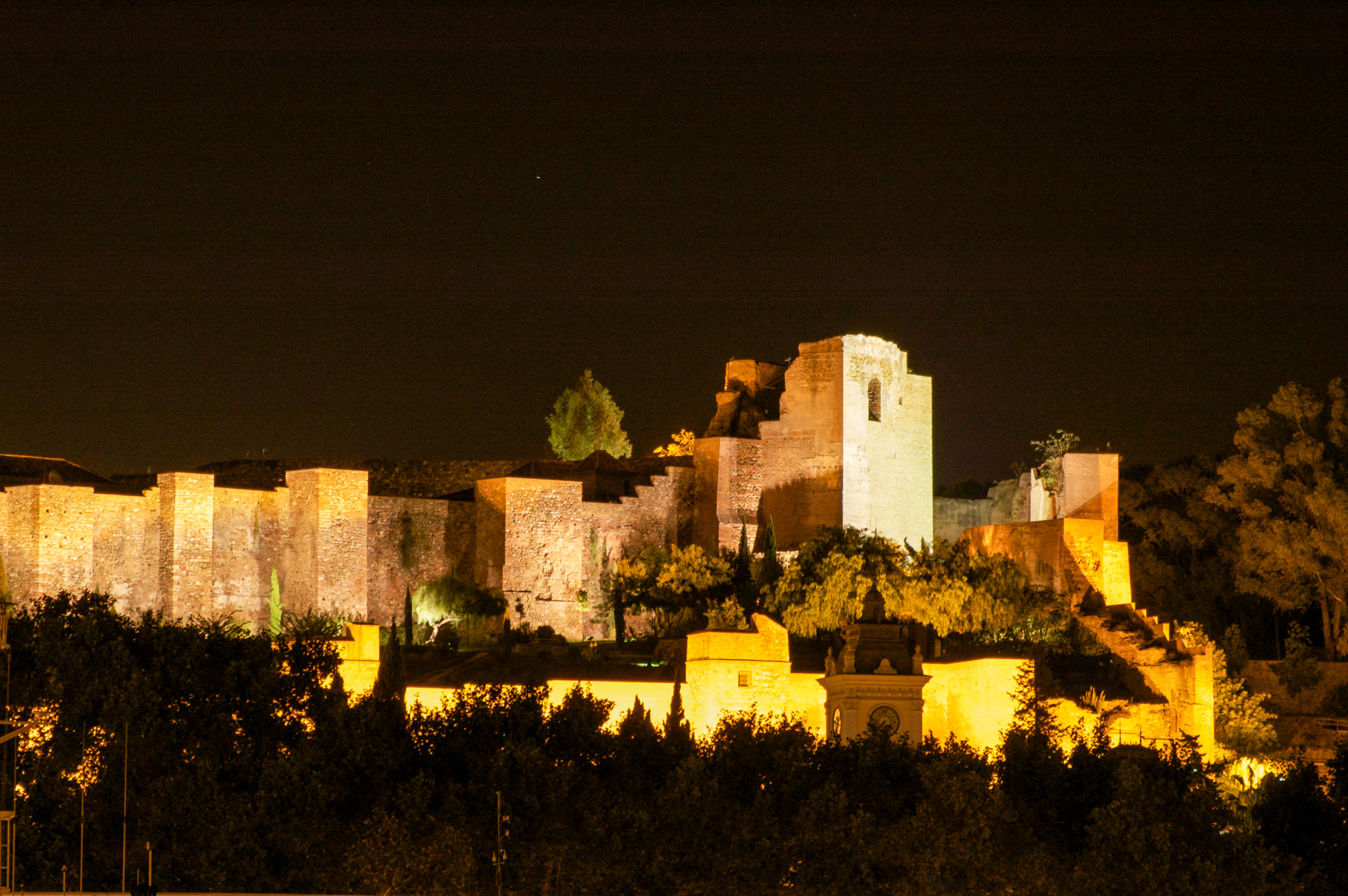
- Alcazaba and Roman Theatre – a Moorish fortress overlooking the old city, with the remains of Málaga’s Roman theatre at its foot.
- Picasso Museum – Málaga was Picasso’s birthplace, and the museum has a substantial collection of his work.
- Málaga Cathedral – an impressive Renaissance cathedral in the heart of the old town.
- Atarazanas Market – a lively food market housed in a beautifully restored 19th-century building, ideal for a wander and a bite to eat.
- Beaches and waterfront – head to La Malagueta or stroll along Muelle Uno for sea views, restaurants and a final taste of the Mediterranean.
Please note, the below elevation graphs are shared courtesy of Maplibre | © komoot | Map data © OpenStreetMap contributors
Malaga to Ronda
59.5 miles / 96km & 6,175 feet / 1,882m ascent
 We’re straight out of the blocks on Day 1 of Stage 2 with a big ride – and, at over 6,000 feet of climbing, one of the toughest days of the stage. We head inland from Málaga up the fertile Guadahorce valley towards Pizarra and Casarabonela. The riding here is relatively gentle as we leave the built-up coast behind, with citrus and olive groves gradually giving way to the hills around the Sierra de las Nieves.
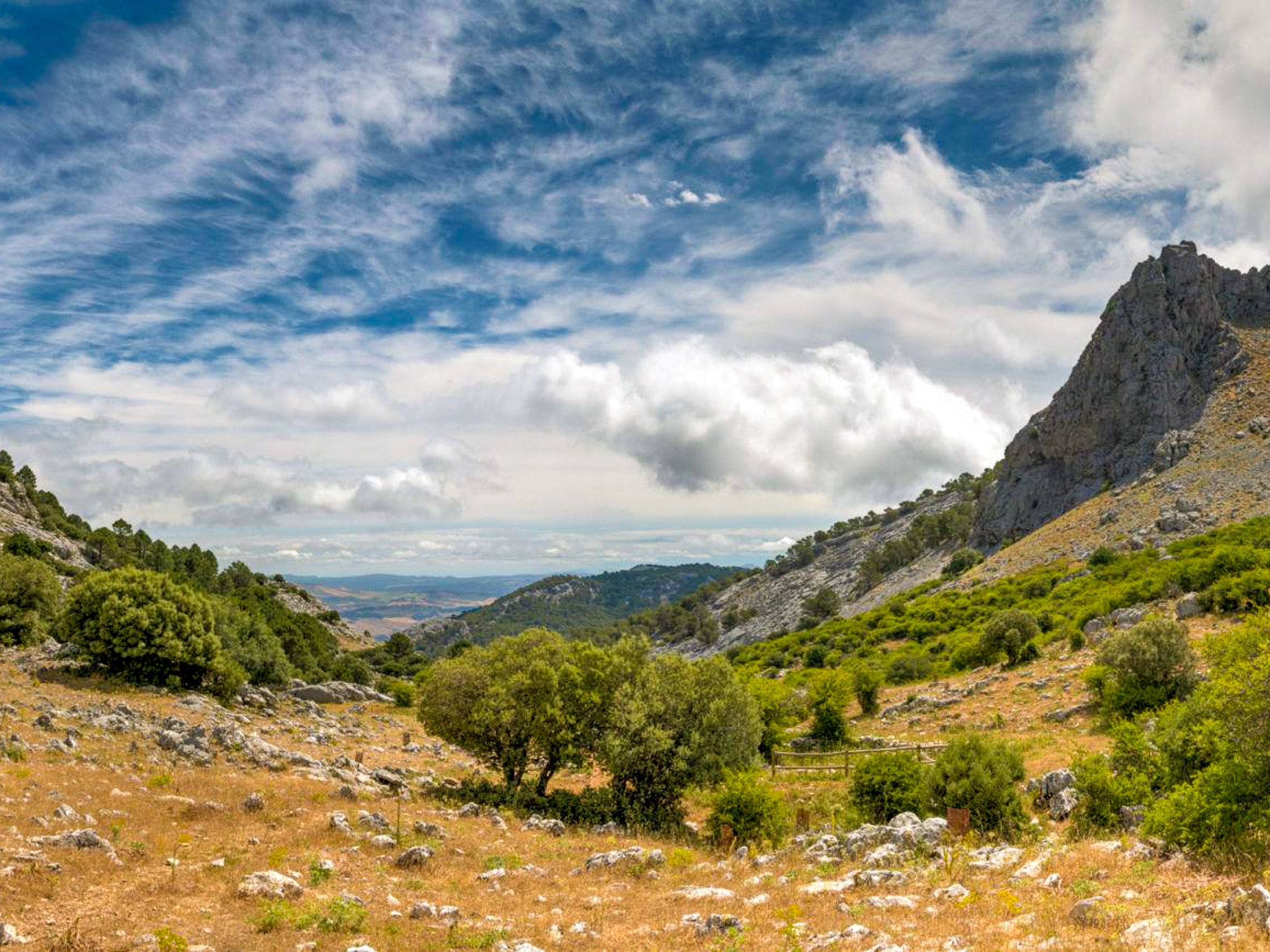
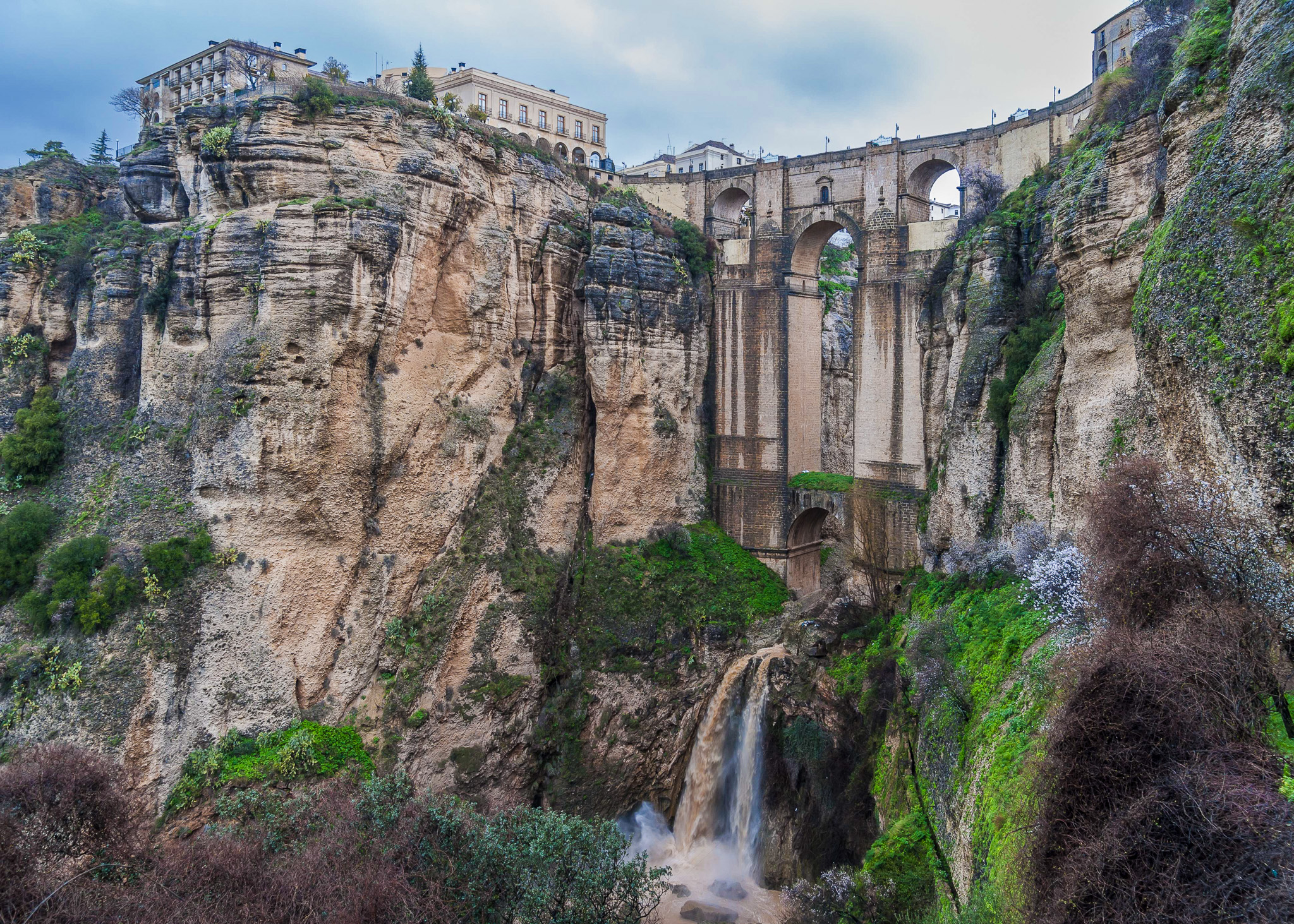
From Casarabonela we continue towards El Burgo, where the landscape becomes increasingly mountainous and the real climbing begins. We then head towards the Puerto del Viento, crossing the dry, rugged limestone hills of the Serranía de Ronda before a rewarding descent onto the high plateau and into Ronda, dramatically perched above its famous gorge. (B, L)
Highlights:
- Pizarra – a small inland town in the fertile Guadalhorce valley, surrounded by citrus groves and overlooked by the mountains beyond.
- Casarabonela – a characterful whitewashed village on the lower slopes of the Sierra de las Nieves, with narrow streets and far-reaching views across the valley.
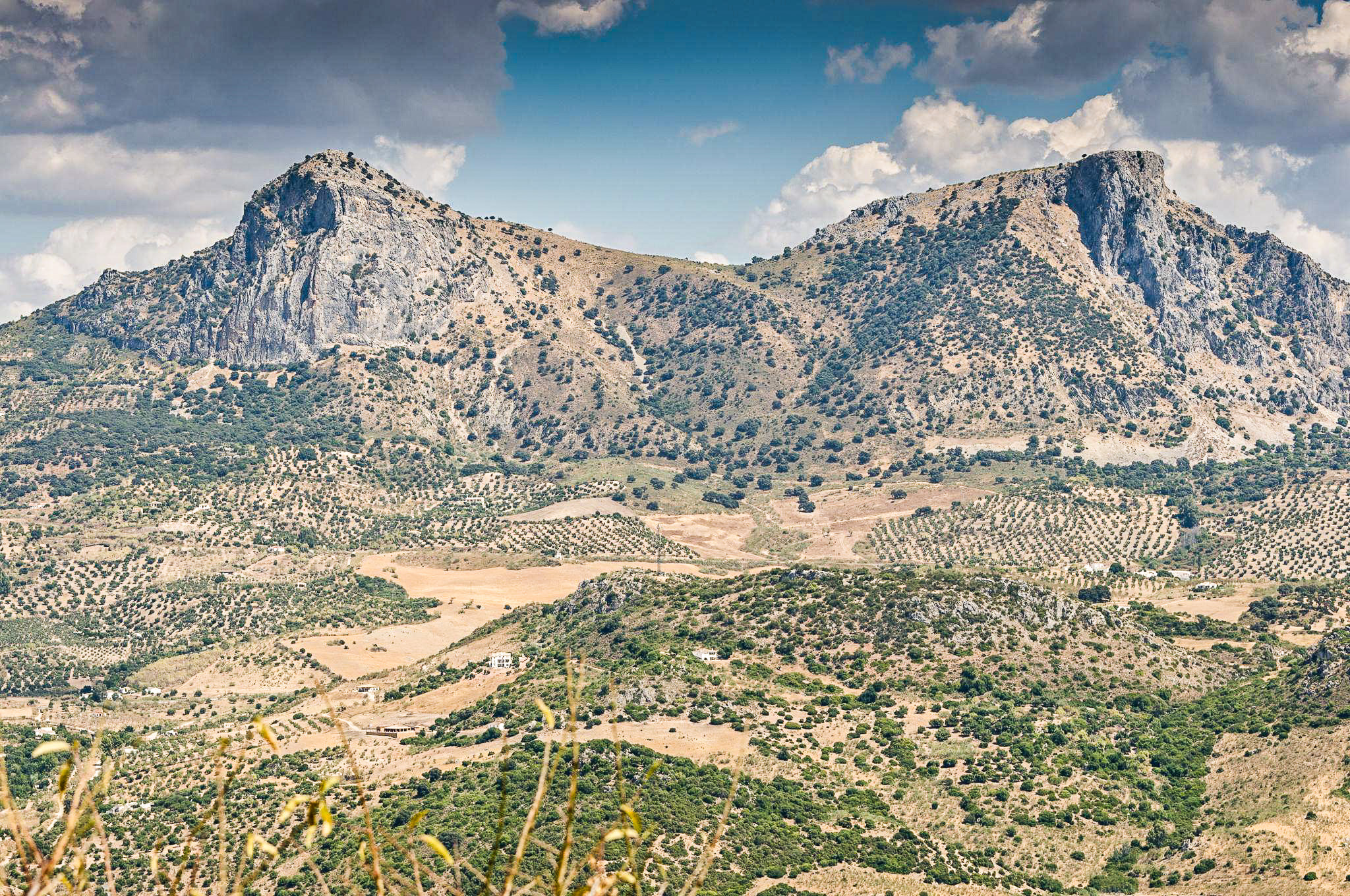
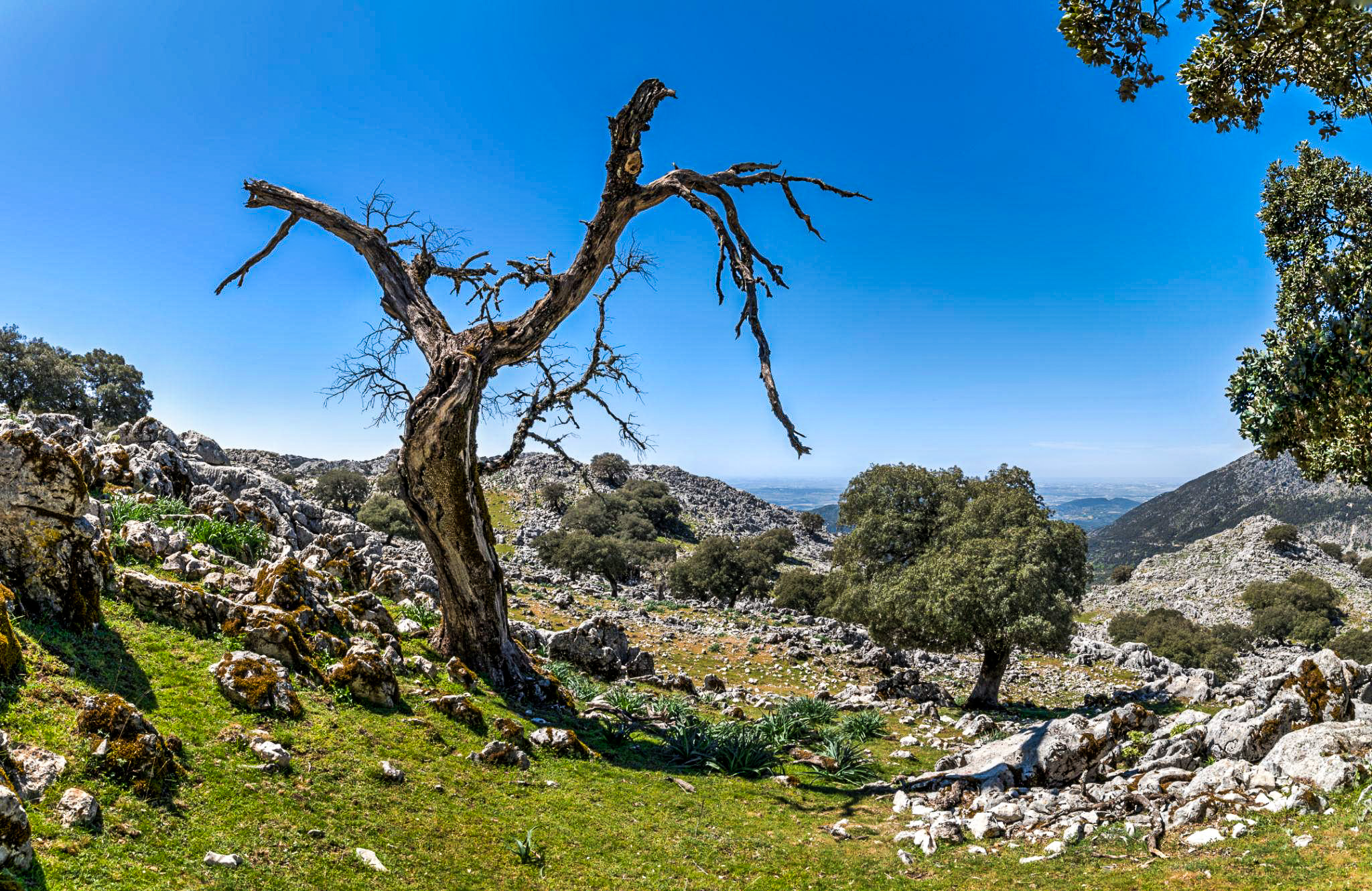
- Sierra de las Nieves – a protected mountain landscape of limestone peaks, deep valleys, caves and the rare Spanish fir.
- Ronda – spectacularly positioned above the Tajo gorge, with an atmospheric old town and plenty to explore once the bikes are parked.
Ronda to Seville
84 miles / 135km & 4,000 feet / 1,219m ascent
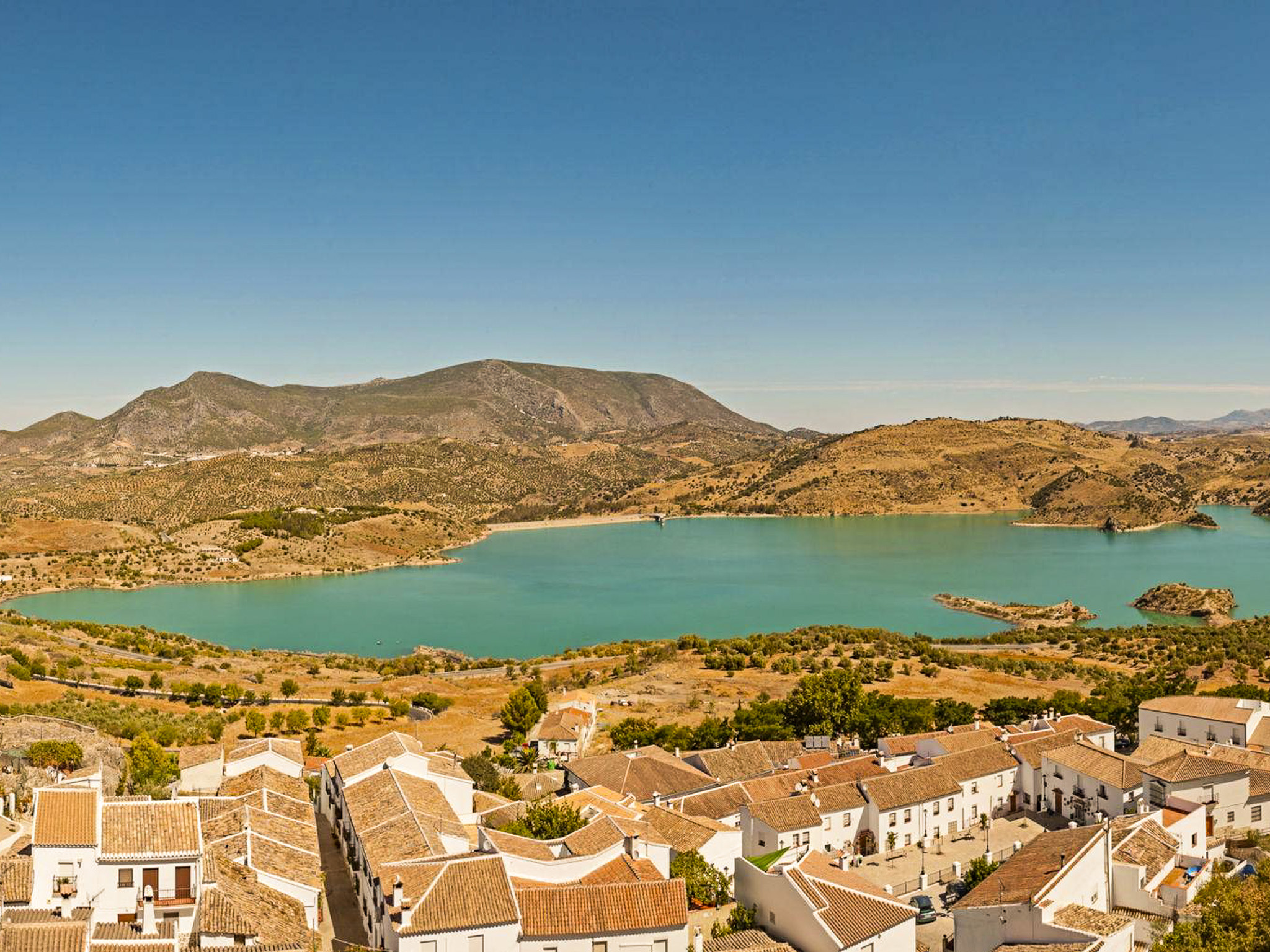
 Today’s distance means we only get a taste of the wonderful riding in the Sierra de Grazalema – definitely an area to return to with more time! From Ronda we climb up and over the Puerto de Montejaque before descending to follow the quieter western side of the Embalse de Zahara. The scenery here is classic Grazalema: limestone mountains, rugged valleys and whitewashed villages clinging to the hillsides. Zahara de la Sierra is perhaps the perfect example, tumbling down the mountainside towards the turquoise reservoir below, and it makes an excellent spot for a well-deserved coffee.
From Zahara, the mountains gradually give way to the broad plains of western Andalucía. The riding becomes much flatter and faster, through open farmland and olive groves beneath enormous skies. It’s not the most exciting cycling of the tour, but after the climbing of the previous days it gives us a chance to settle into a rhythm and cover some serious miles. And there’s a pretty good reward at the end: we roll into the heart of Seville, where we’ll stay centrally so that the bikes can be parked and the city explored easily on foot. (B, L)
Highlights:
- Sierra de Grazalema – one of Andalucía’s most beautiful mountain landscapes, with limestone peaks, deep gorges and winding roads.
- Puerto de Montejaque – a satisfying climb out of Ronda and our final proper taste of the Grazalema mountains.
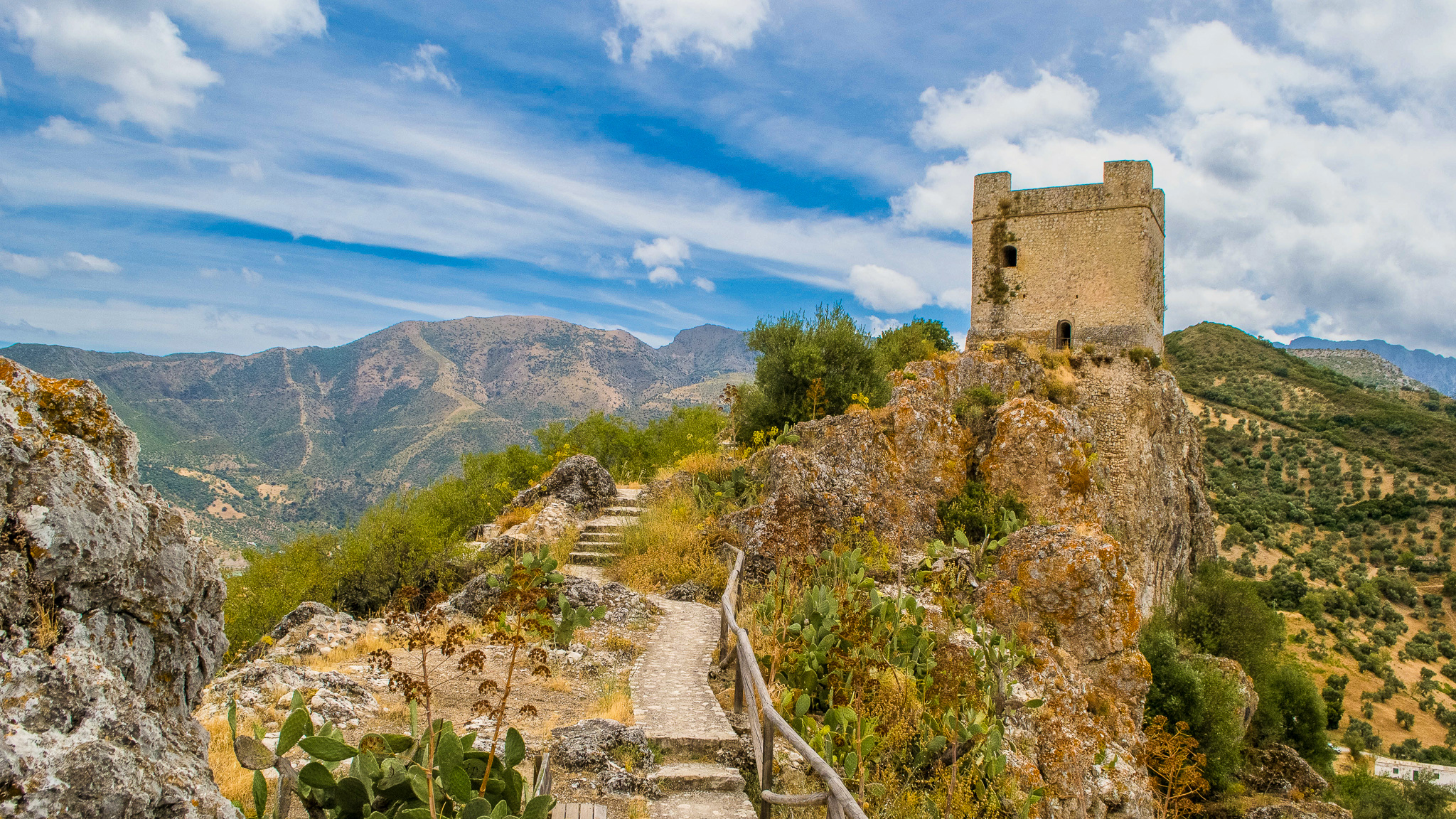
- Zahara de la Sierra – a picture-perfect white village cascading down the hillside above the reservoir, with its ruined Moorish castle high above.
- Seville – one of Spain’s great cities, with the cathedral, Giralda, Alcázar, Plaza de España, tapas bars and lively streets all within easy reach of our central hotel.
Seville to Monesterio
62.5 miles, 4,575 feet ascent
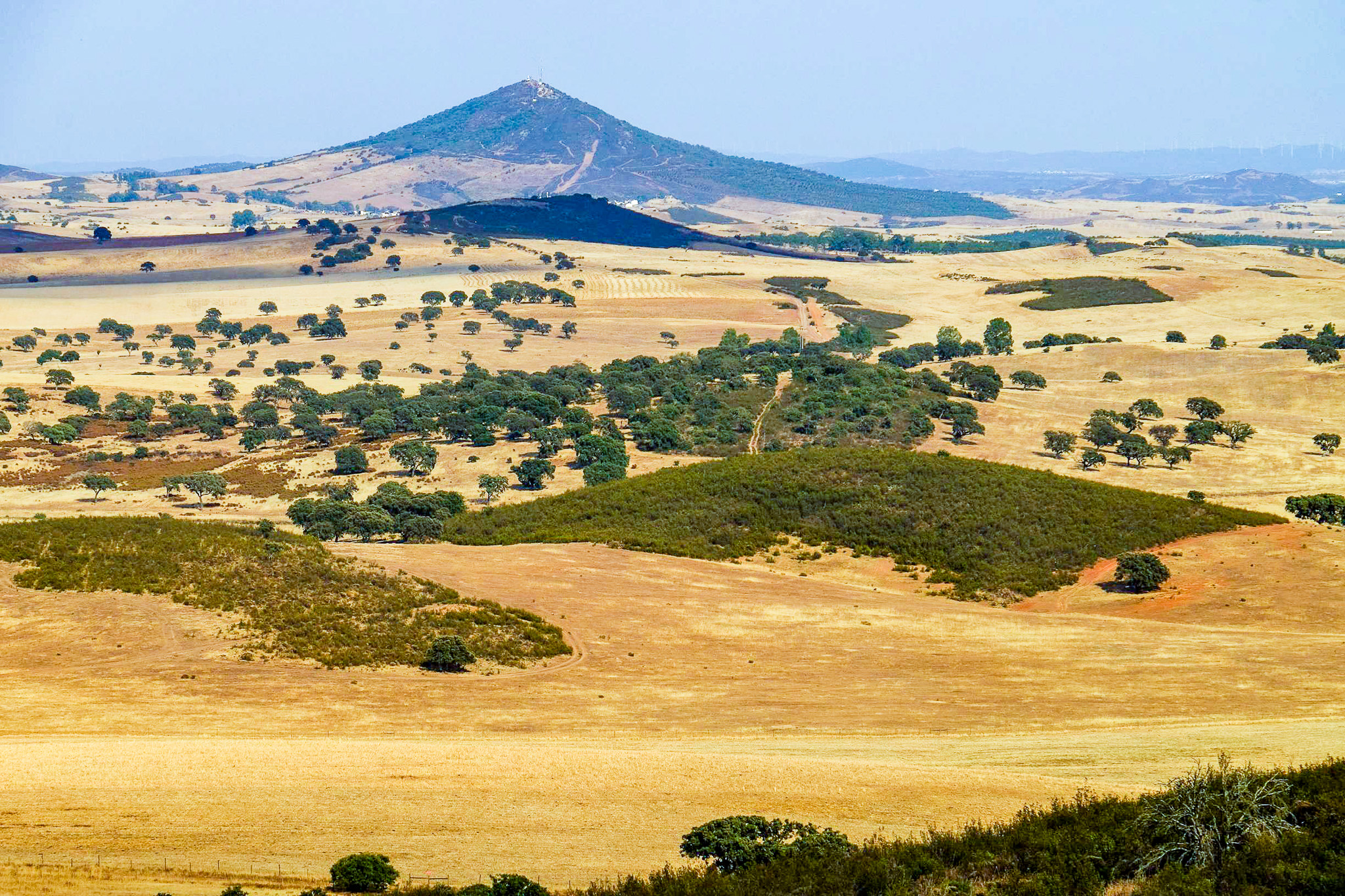
 The area north of Seville is one of the least visited parts of Spain, but it makes for wonderfully peaceful cycling. We climb steadily into the Sierra Morena, leaving the plains behind for rolling hills, woodland and open dehesa – the traditional landscape of scattered oak trees and grazing land that characterises this part of Andalucía. The Sierra de Aracena lies away to the west, while the quiet roads take us deeper into the hills. It isn’t dramatic mountain scenery, but there’s something very appealing about the combination of open space, almost no traffic and a feeling of being well away from the tourist trail. It is a favourite haunt of Sevillanos on day or weekend trips.
There is around 7 miles of gravel track today, but the surface is firm and smooth enough for road bikes. We finish in Monesterio, a small town with a rather serious reputation when it comes to ham. (B, L)
Highlights:
- Sierra Morena – an extensive range of wooded hills running across southern Spain, with quiet roads and far-reaching views.
- Wildlife – keep watch for black vultures, griffon vultures, eagles, storks, deer and wild boar; the open dehesa is particularly good habitat for wildlife.
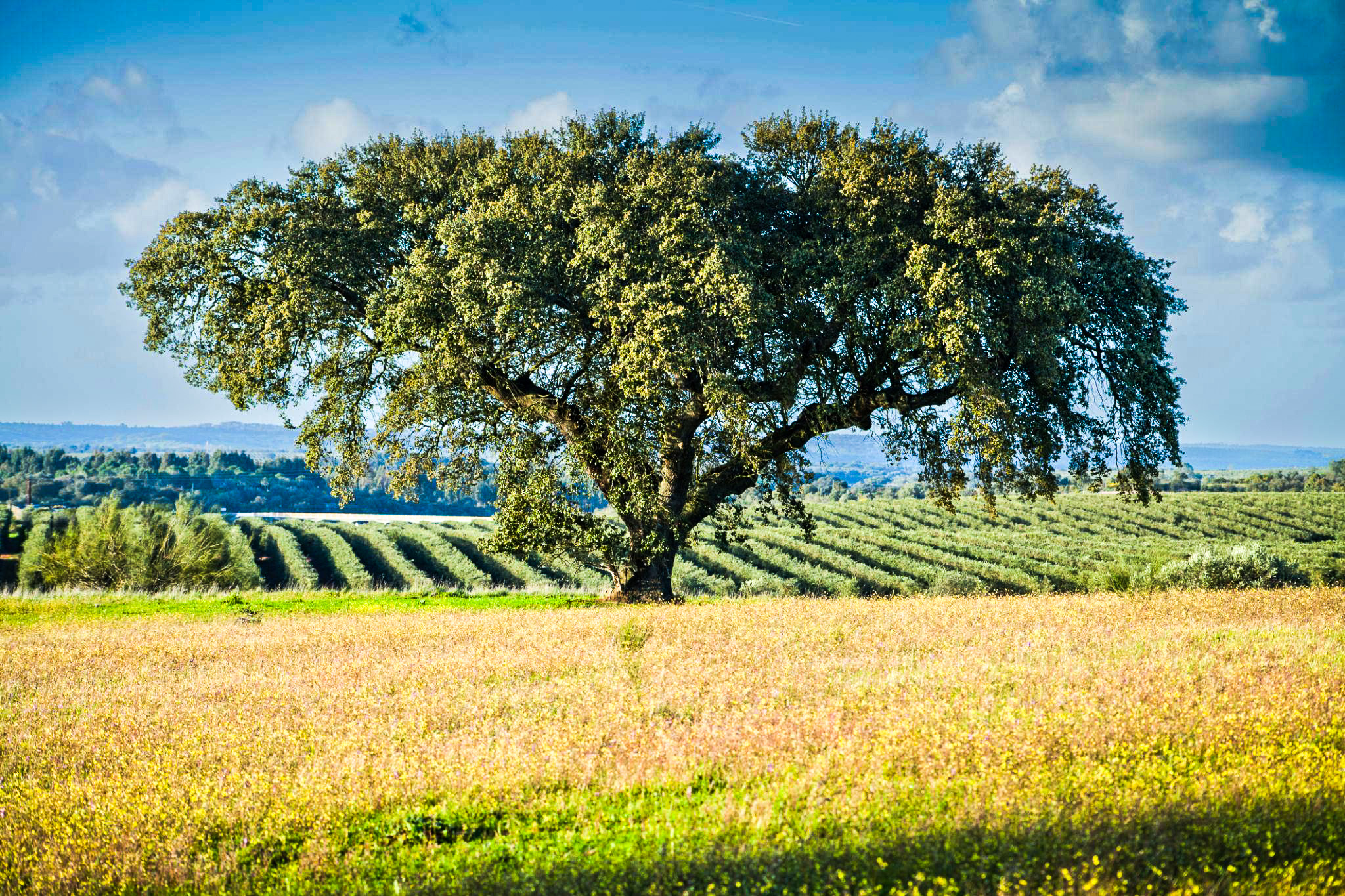
- Dehesa – ancient holm and cork oaks scattered across grazing land, a traditional landscape hereabouts.
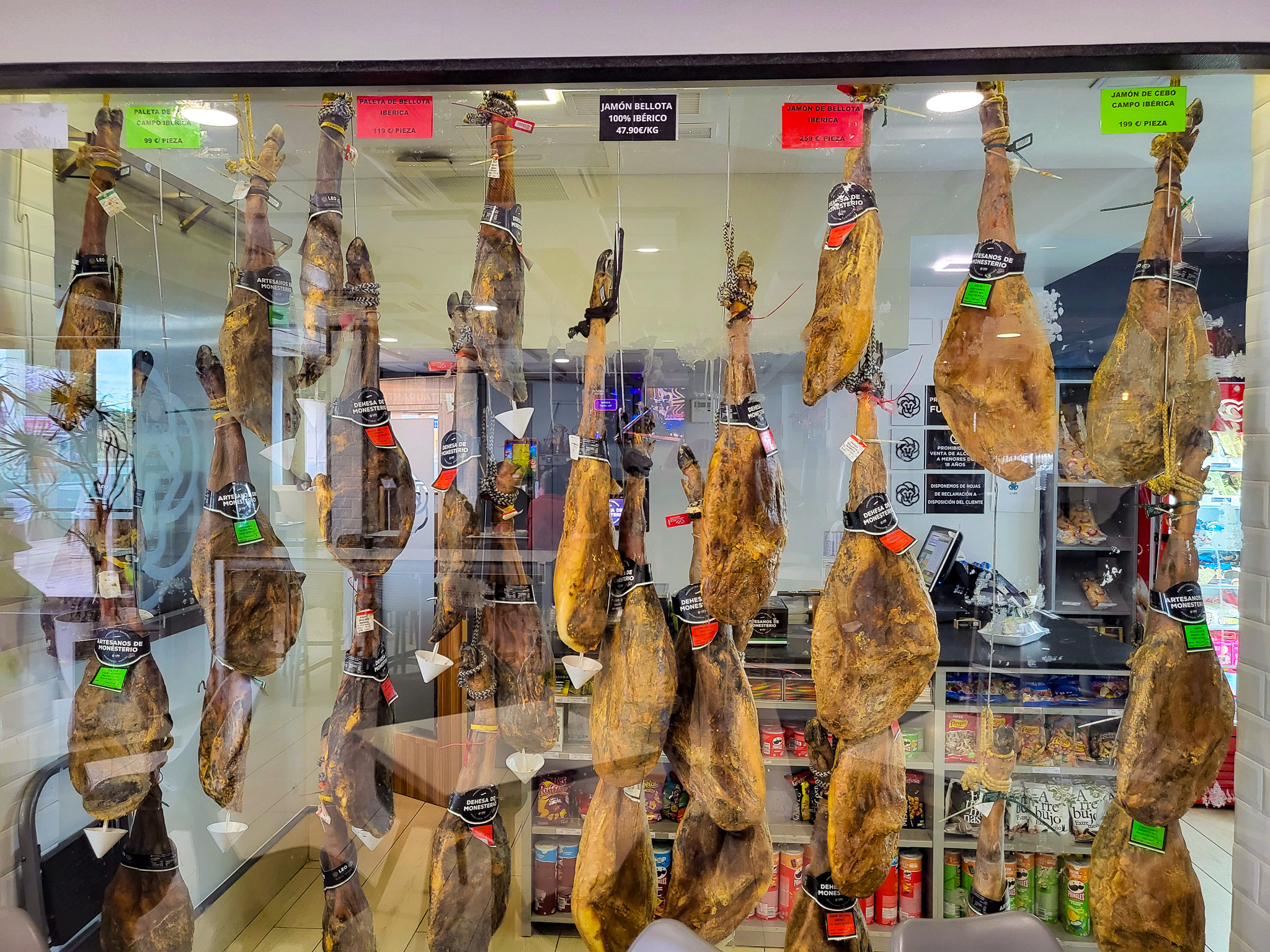
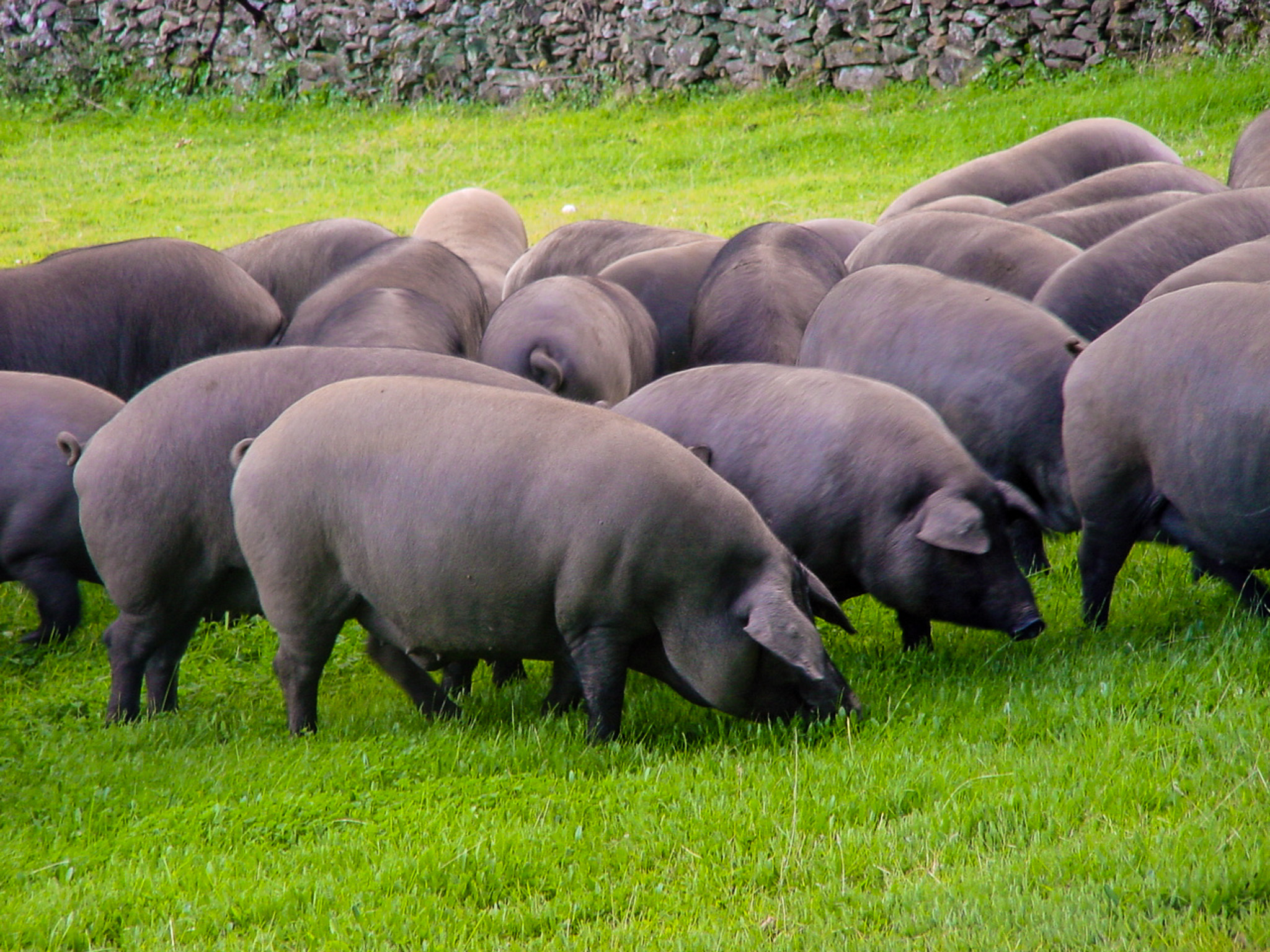
- Monesterio – one of Spain’s best-known places for Jamón Ibérico, with its own annual Día del Jamón and a Museo del Jamón dedicated to the history and craft of curing the local ham.
Monesterio to Monsaraz
85 miles / 137km & 4,450 feet / 1,356m ascent
 Today really does take us into the back of beyond, but with the support van never far away. We continue through the quiet hills and open countryside of Extremadura before crossing the border from Spain into Portugal at around mile 46. Our first main settlement is Fregenal de la Sierra, a characterful medieval town where we’ll stop for coffee before continuing towards the border.
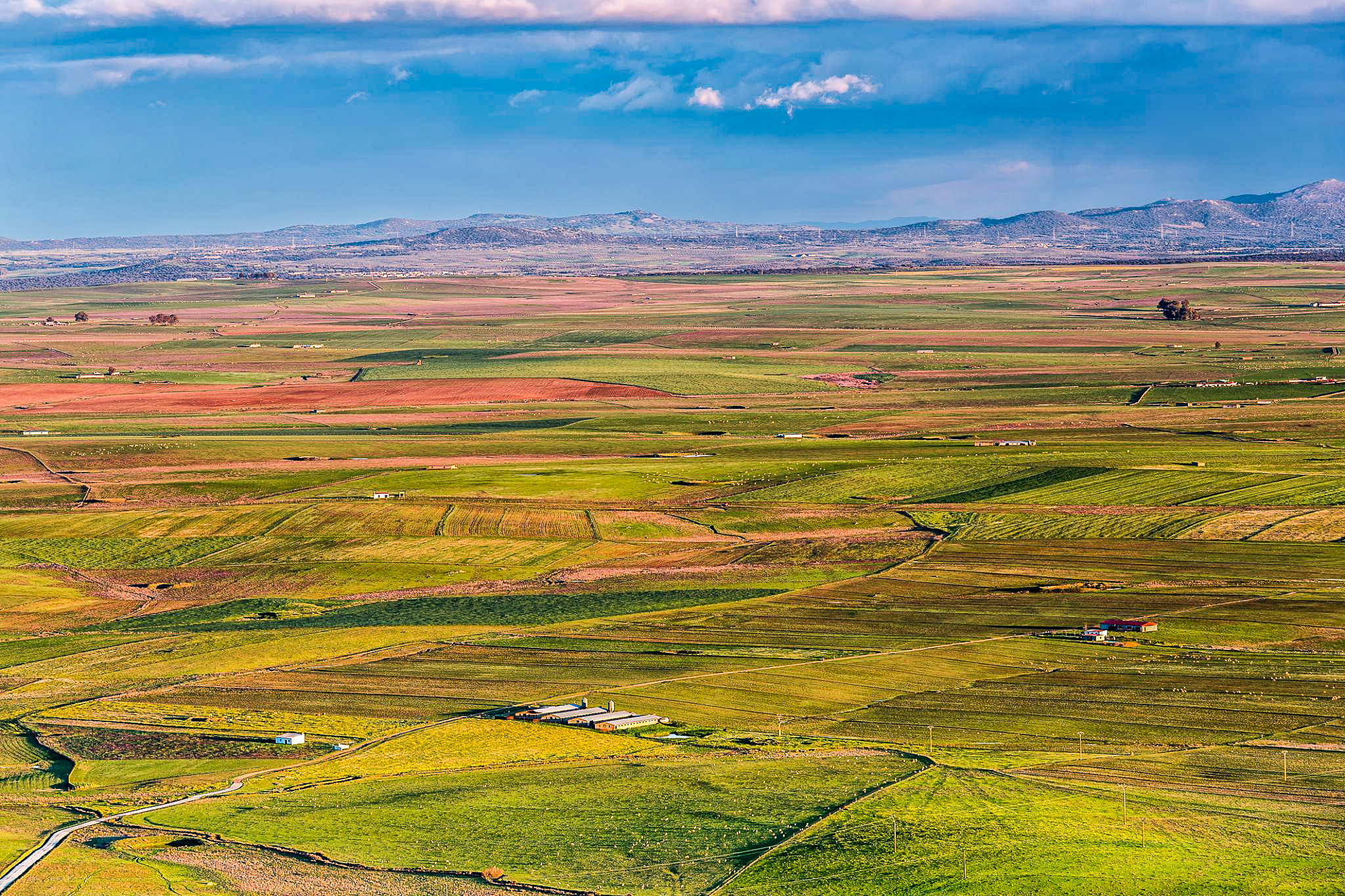
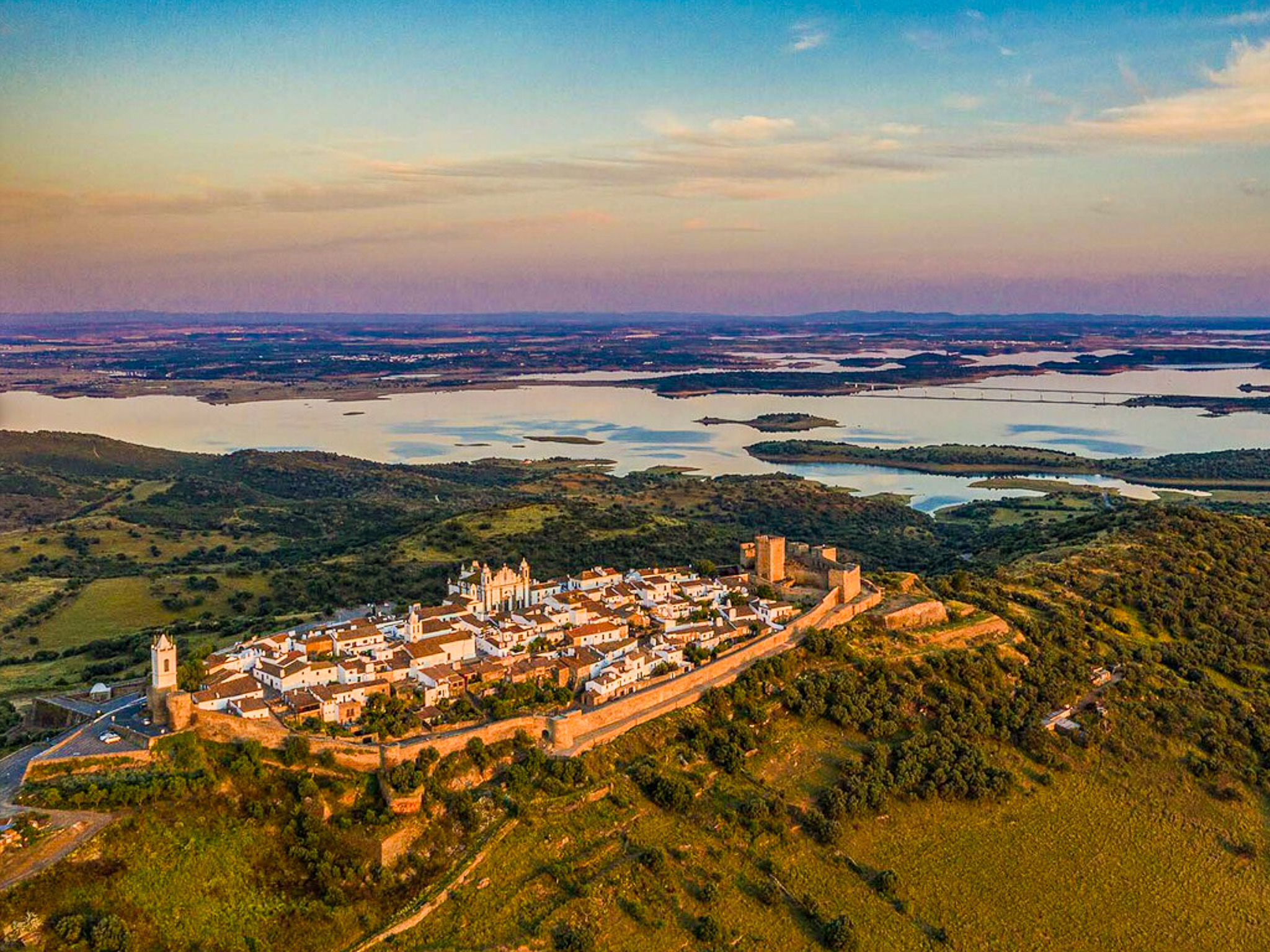
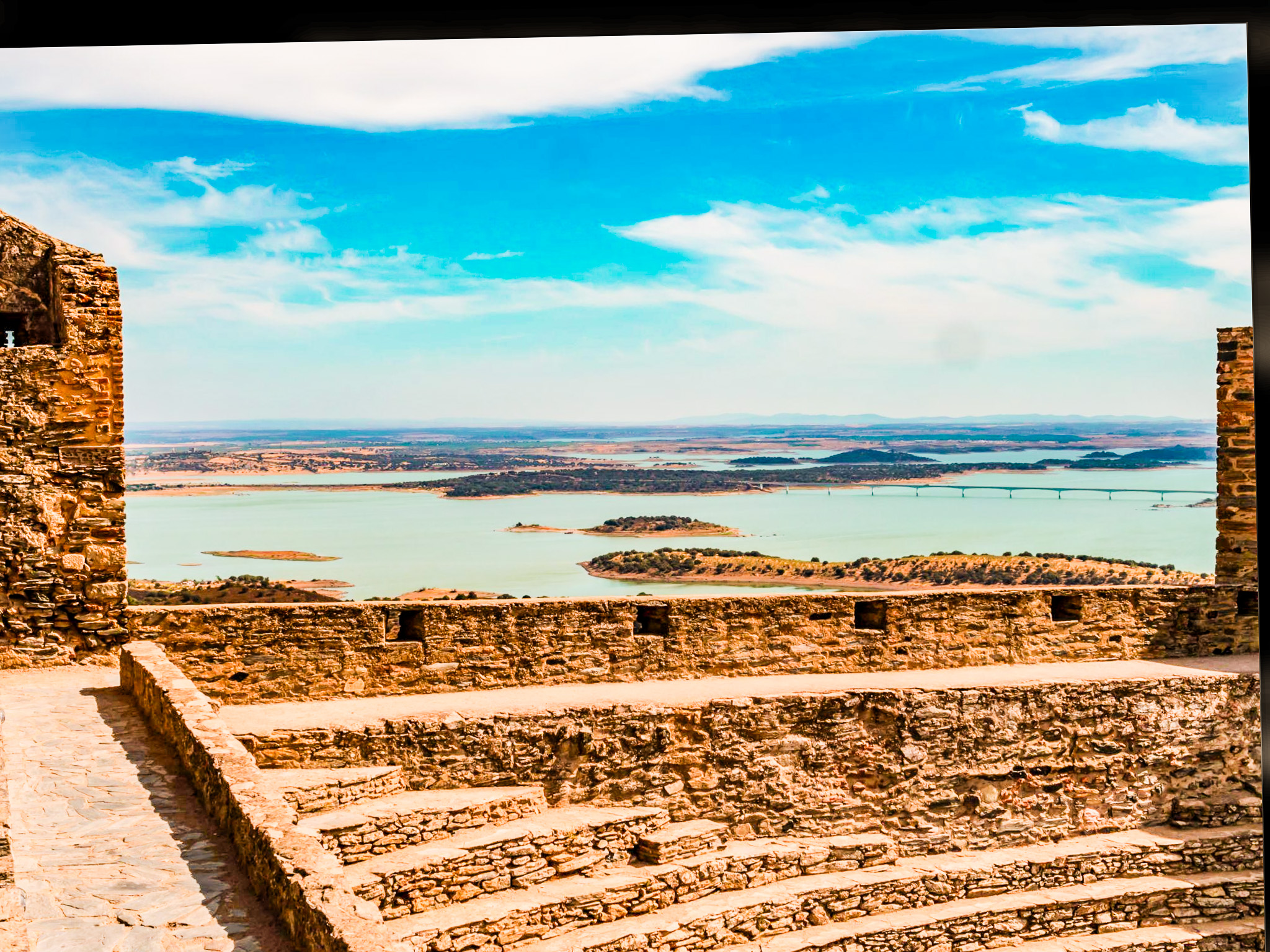
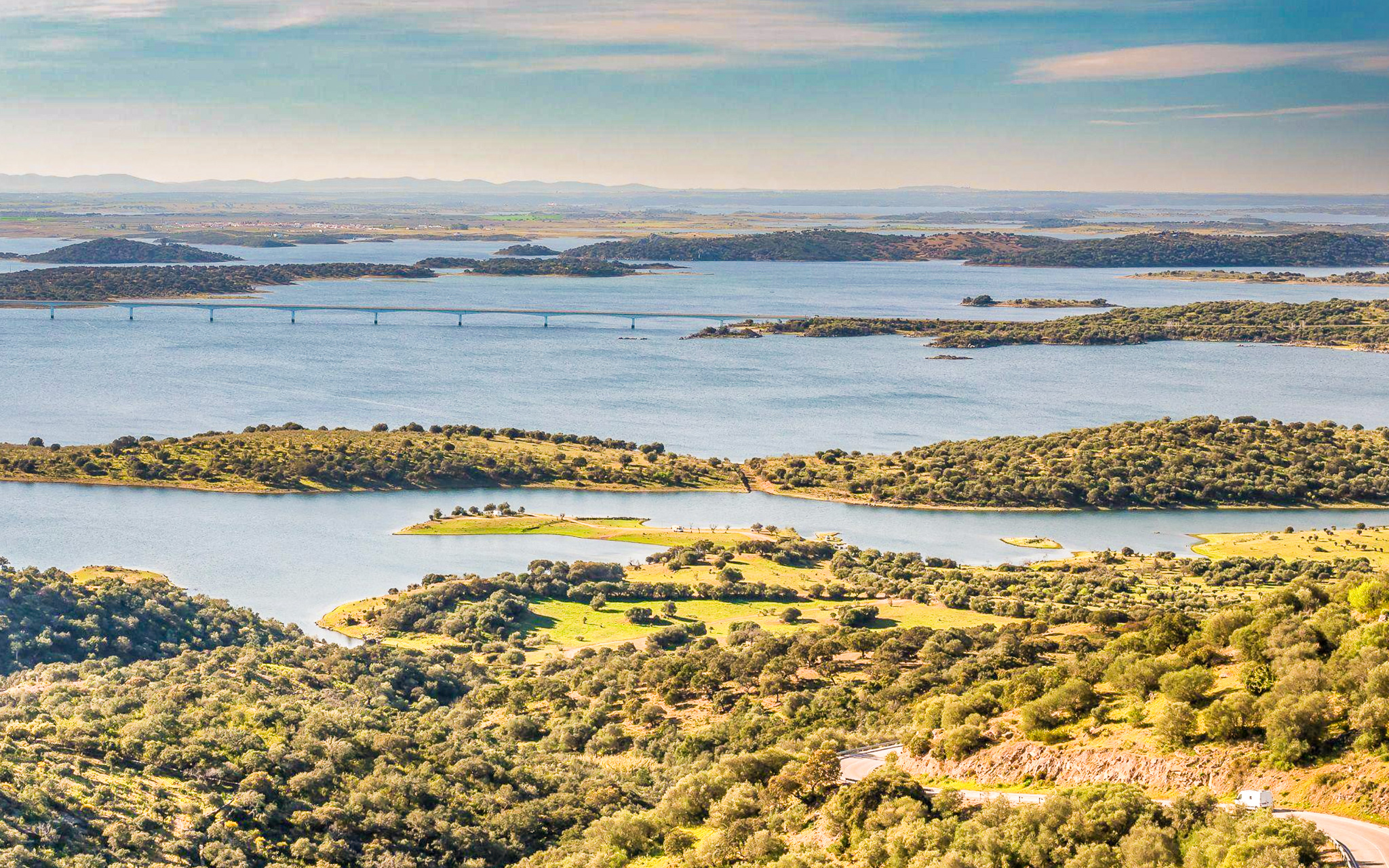
Once into Portugal, the landscape gradually opens out as we enter the Alentejo. The second half of the ride is dominated by the enormous Alqueva reservoir, with long views across the water and quiet roads through the surrounding countryside. We cross the Guadiana on a fun swing bridge before the final run to Monsaraz, perched high above the reservoir. It’s a suitably memorable end to a long day: a tiny, beautifully preserved medieval village of whitewashed houses, narrow lanes and ancient walls, with the castle at its highest point. (B, L)
Highlights:
- Fregenal de la Sierra – medieval old town and Templar castle, unusually incorporating an 18th-century bullring within its walls.
- Crossing the border – a satisfying halfway landmark as we leave Spain behind and enter Portugal’s Alentejo region.
- Alqueva reservoir – one of Europe’s largest artificial lakes, created by damming the Guadiana and now a defining feature of this part of Portugal.
- Monsaraz – explore the castle and village lanes, then look out across the Alentejo from the ramparts. The region is also famous for its wine and exceptionally dark skies.
Monsaraz to Montemor-o-Novo
57 miles / 92km & 2,325 feet / 709m ascent
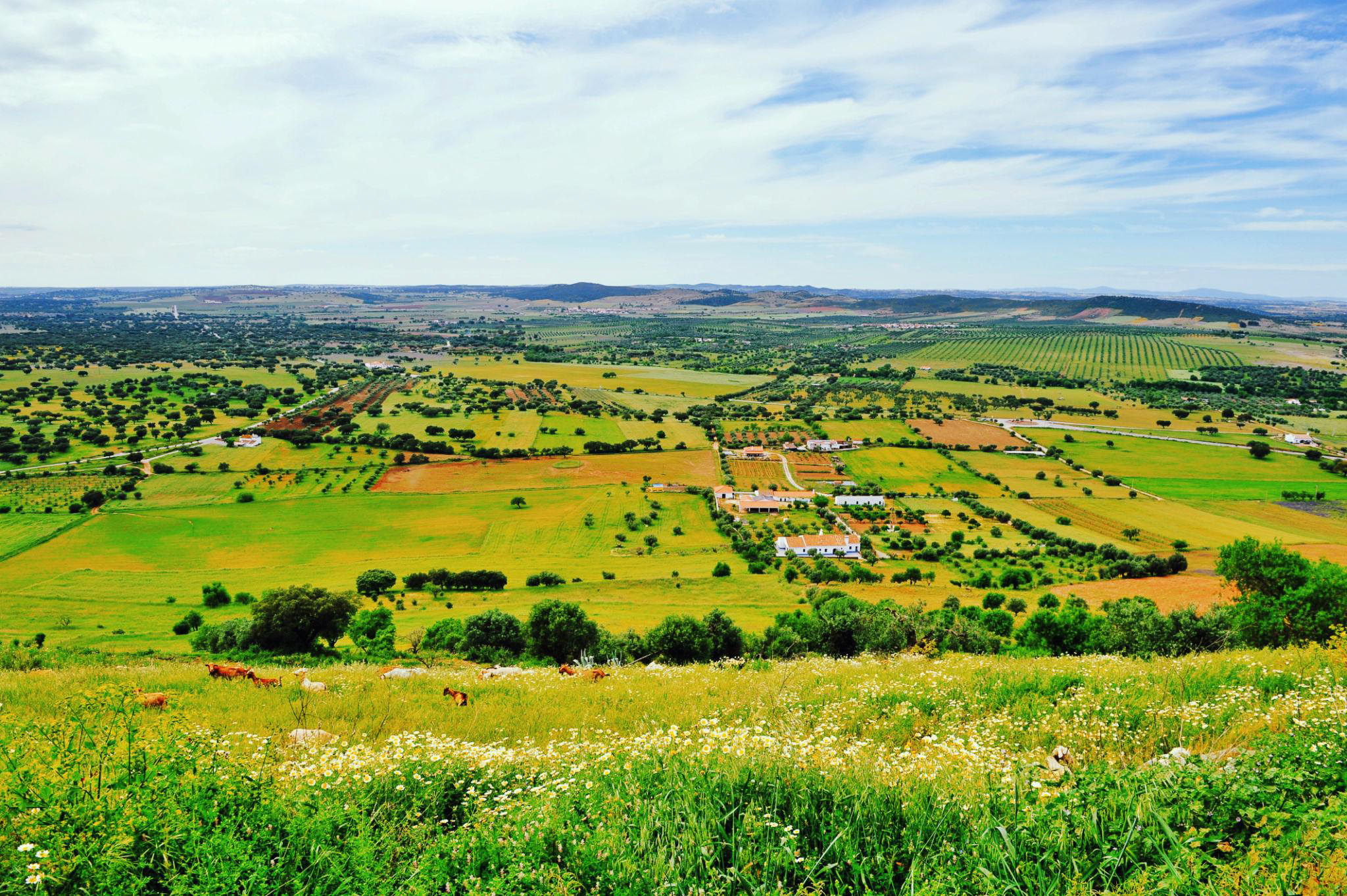
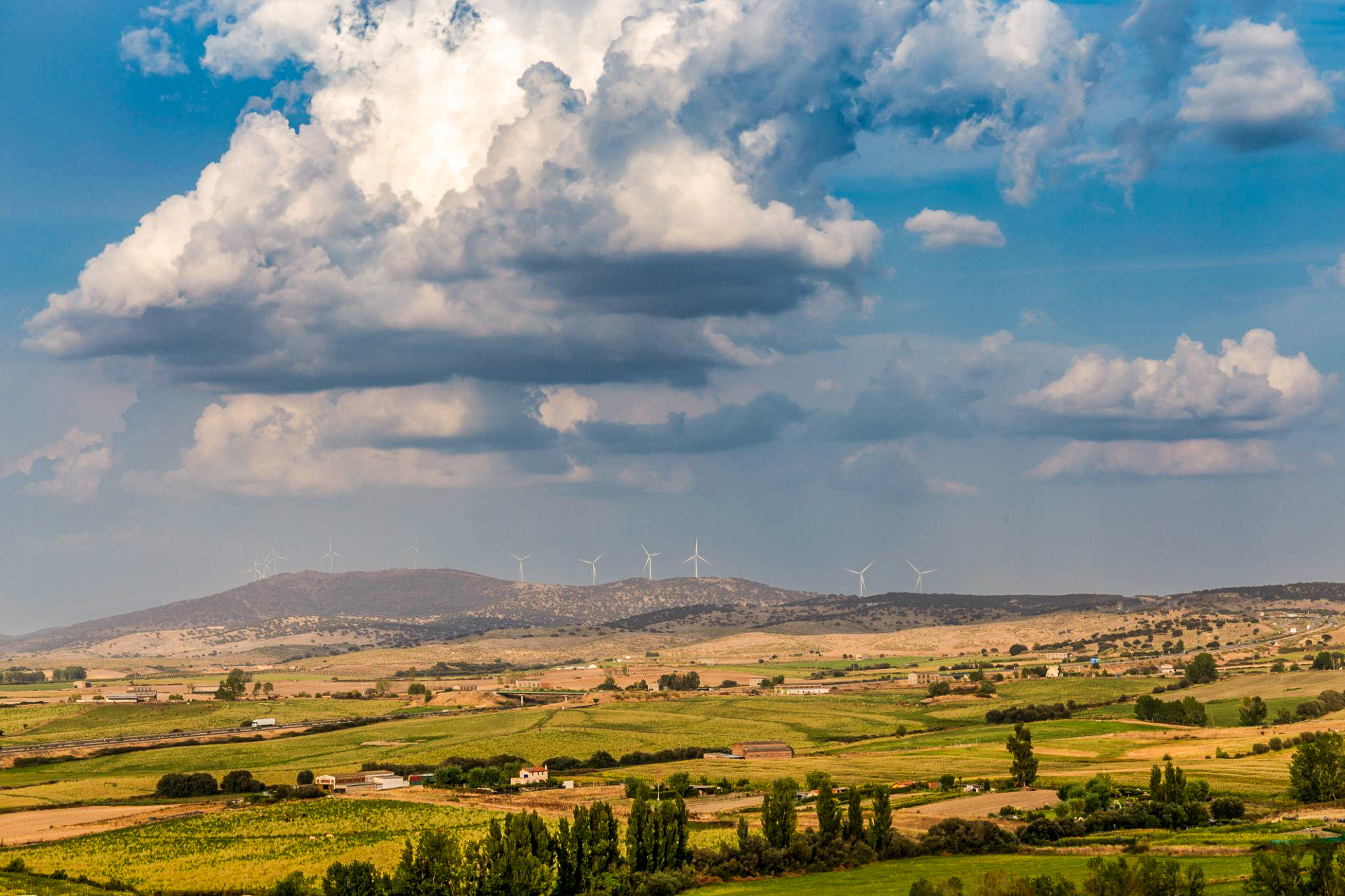
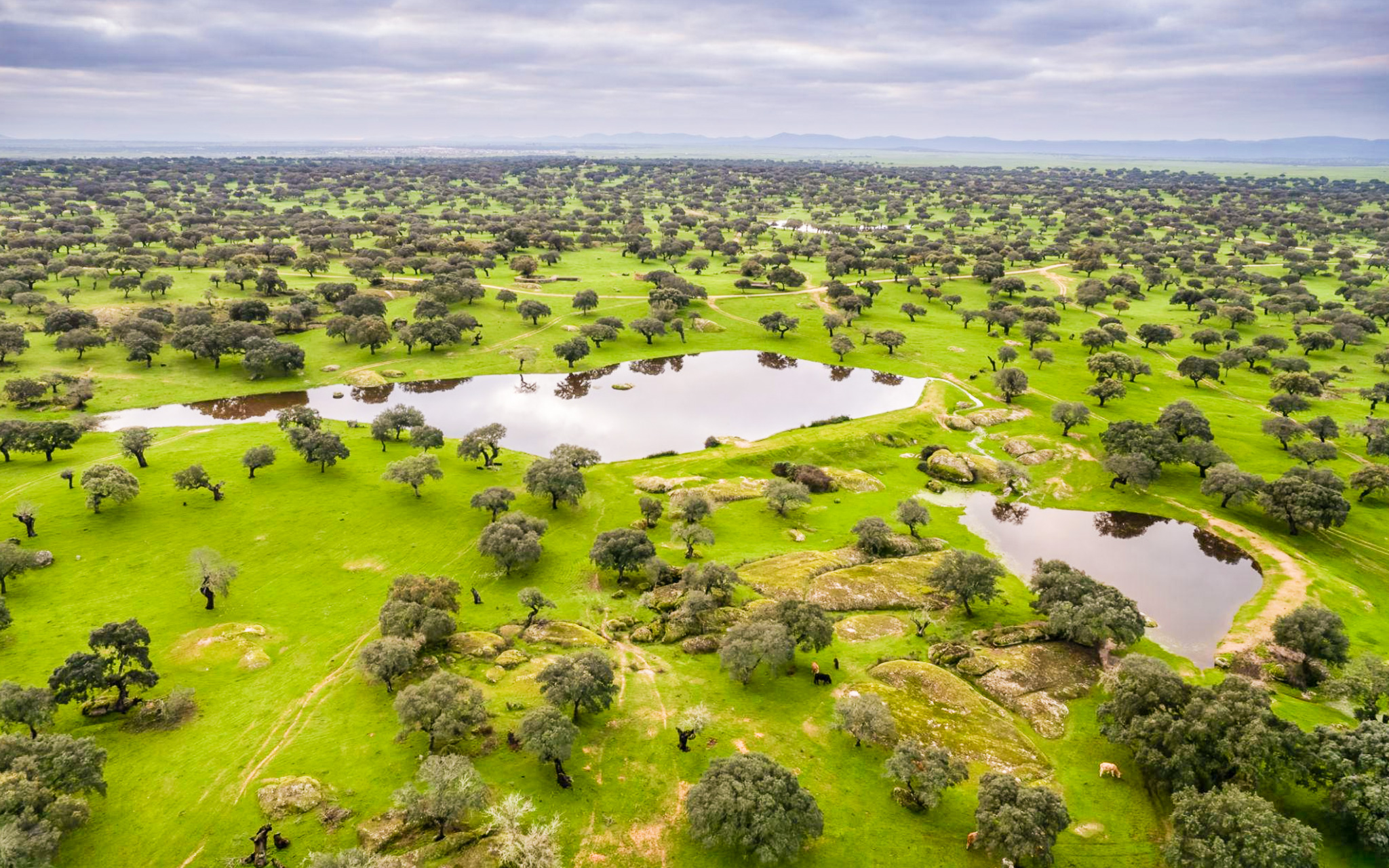
 Compared with Spain, Portugal is surprisingly flat, and today we leave the mountains behind for the rolling countryside of the northern Alentejo. The riding is gentle rather than dramatic, through open farmland and scattered cork and holm oaks, with quiet roads and big skies. After several days of serious climbing, it’s a welcome change of pace and gives us plenty of opportunity to settle into a rhythm and enjoy the scenery.
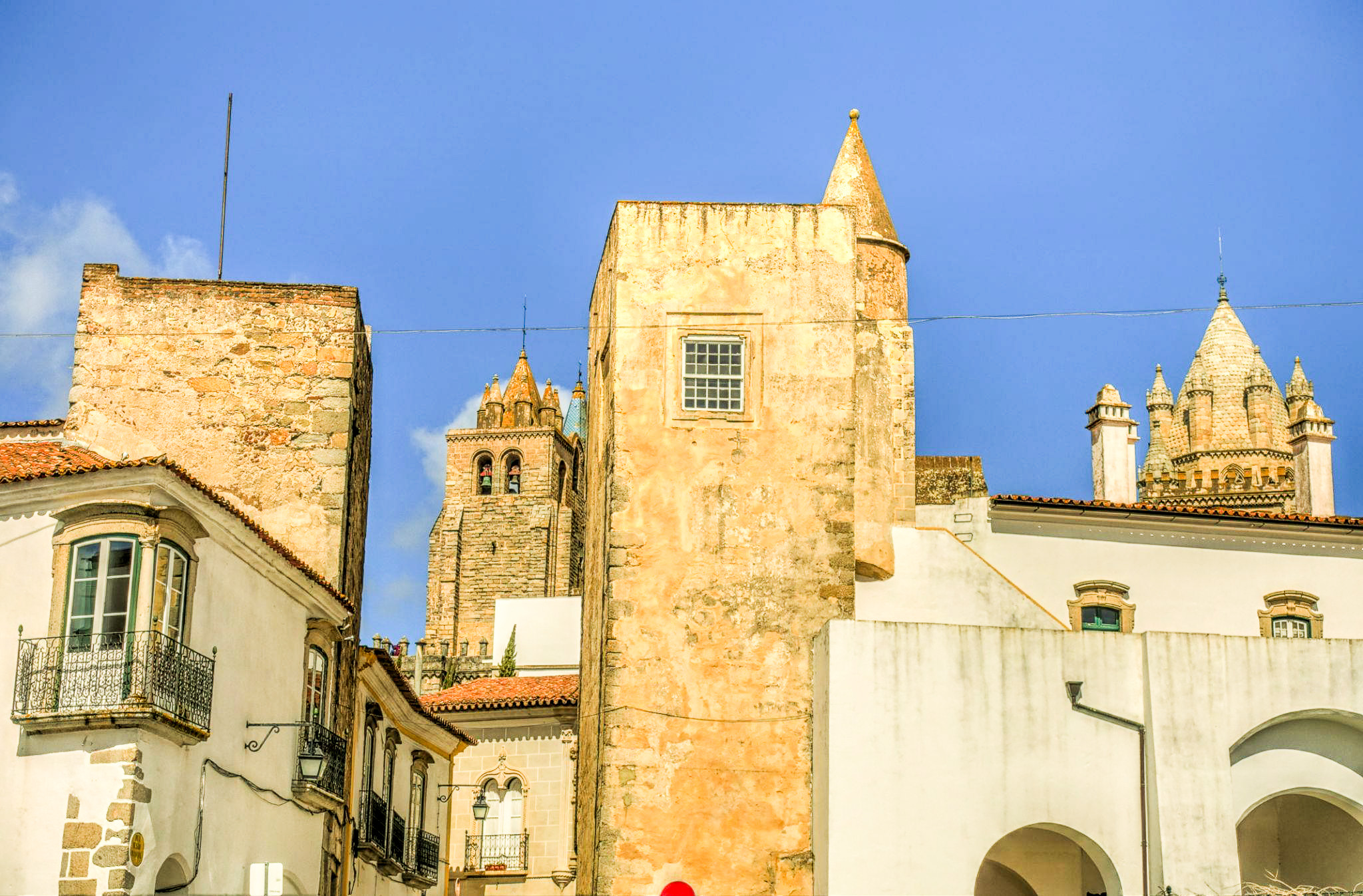
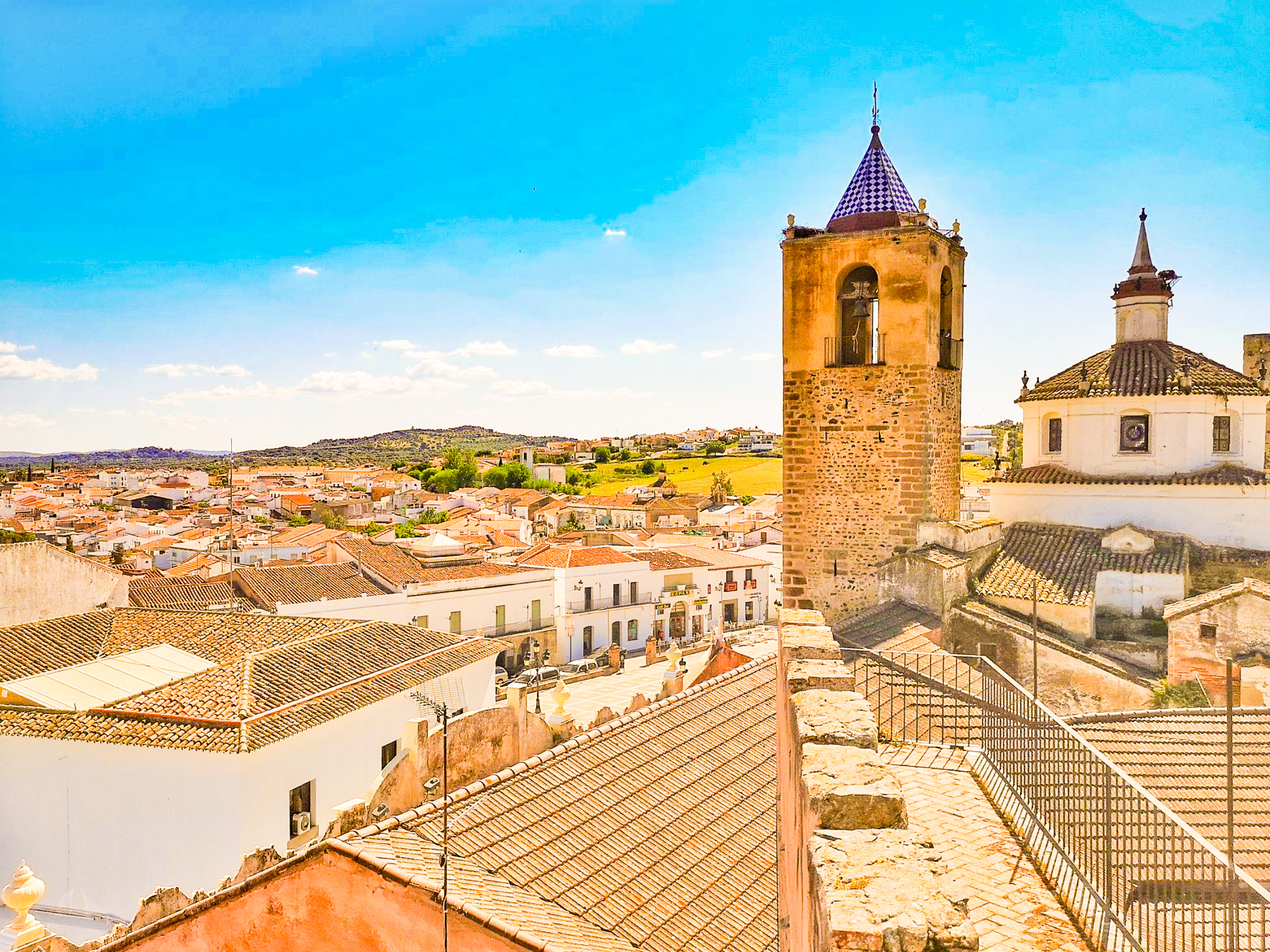
We pass through Reguengos de Monsaraz, an important centre for Alentejo wine, before continuing towards Évora. This is the cultural highlight of the day: a UNESCO World Heritage Site whose historic centre is packed with layers of Portuguese history, and we’ll stop here for lunch with time to explore. From Évora, the final miles are slightly more demanding, with one last climb before descending into Montemor-o-Novo, a hilltop town dominated by the remains of its medieval castle. (B, L)
Highlights:
- Alentejo – Portugal’s great agricultural heartland, with cork and holm oak trees, vineyards, olive groves and wheat fields spread across a gently undulating landscape.
- Reguengos de Monsaraz – one of the region’s major wine centres, with a long tradition of producing distinctive Alentejo wines.
- Évora – explore the Roman Temple, medieval lanes, Praça do Giraldo and the striking Chapel of Bones before lunch.
- Montemor-o-Novo – wander up to the castle ruins for sweeping views across the countryside and a reminder of the town’s strategic medieval past.
Montemor-o-Novo to Monjito
57 miles / 92km & 1,500 feet / 457m ascent
 Today we almost reach Lisbon – but not quite. Instead, we ride as far as Montijo, on the southern bank of the Tagus, leaving ourselves with one final and rather lovely way into the city tomorrow morning: the ferry across the river in the morning sun.
The riding is relatively straightforward, heading west towards Setúbal and the Sado estuary. We pass the eerie abandoned village of Safira, where the remains of houses and its ruined church are gradually disappearing back into the surrounding countryside. As we approach Setúbal, the landscape opens out towards the estuary and the wooded hills of the Arrábida beyond. Setúbal itself is a lively fishing city, famous for its seafood and for the small population of bottlenose dolphins that lives in the estuary.
From Setúbal we turn north across the flatter landscape towards Montijo, a former fishing and salt-producing town on the edge of the Tagus. Today it’s part of the Lisbon metropolitan area, but it retains plenty of its own character and makes a convenient final stop before the capital. (B, L)
Highlights:
- Safira – a genuinely abandoned Alentejo village, with ruined houses and a roofless church giving it a slightly spooky sense of a place left behind.
- Setúbal & the Sado estuary – a lively Portuguese city with a strong fishing tradition, excellent seafood and a resident population of bottlenose dolphins.
- Arrábida – the wooded hills of the Serra da Arrábida rise beyond Setúbal, providing a striking backdrop to the city and estuary.
Monjito to Lisbon via Cascais and Sintra
60 miles / 97km & 3,425 feet / 1,044m ascent
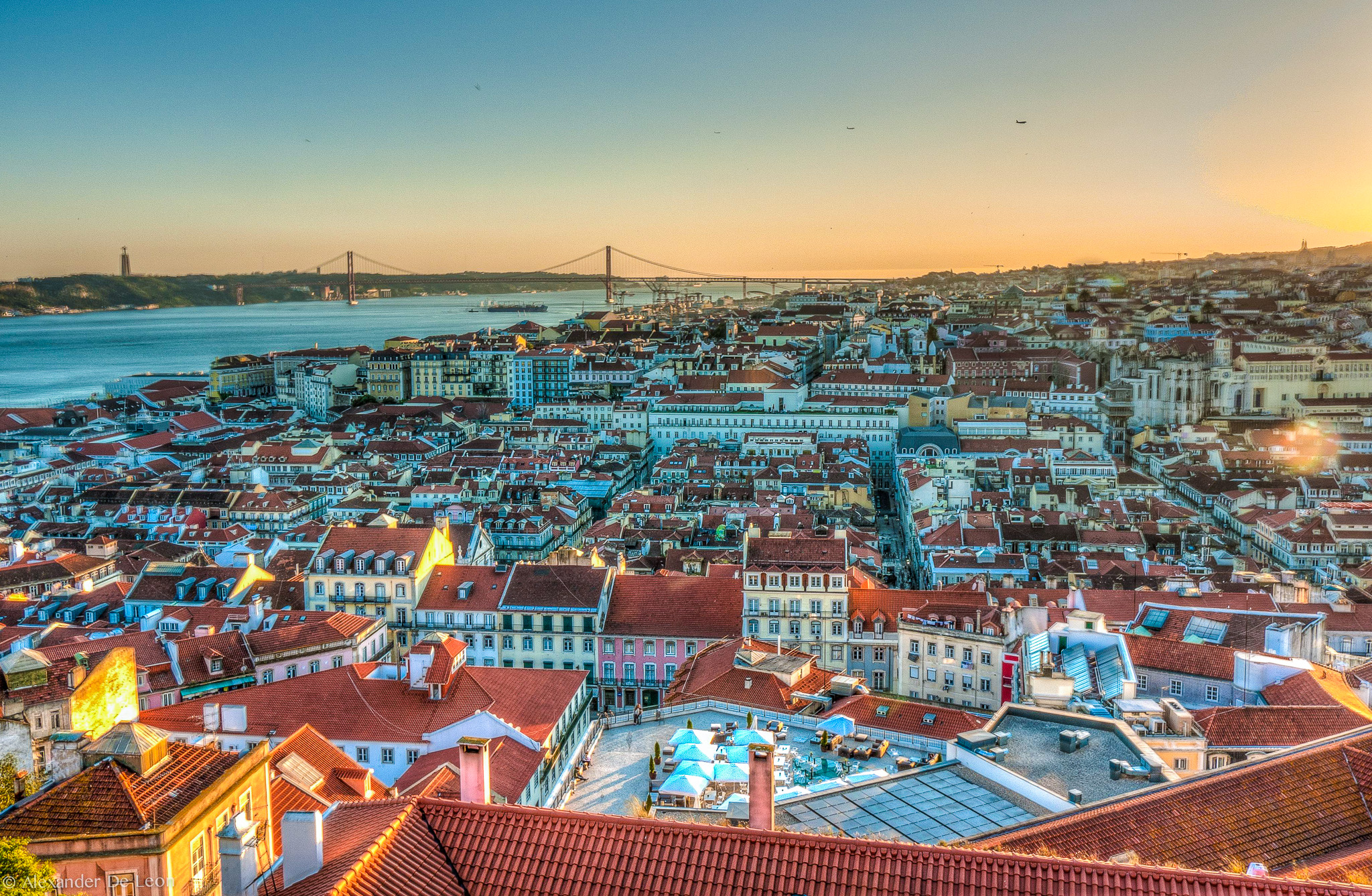
 The trip ends with one of the best rides of the whole journey, making sure you go home feeling suitably pumped for the next adventure. The ferry across the Tagus is the perfect way to arrive in Lisbon, especially with a bike: it avoids the busy roads and bridges, and the view of the city from the river is a pretty spectacular way to start our final day.
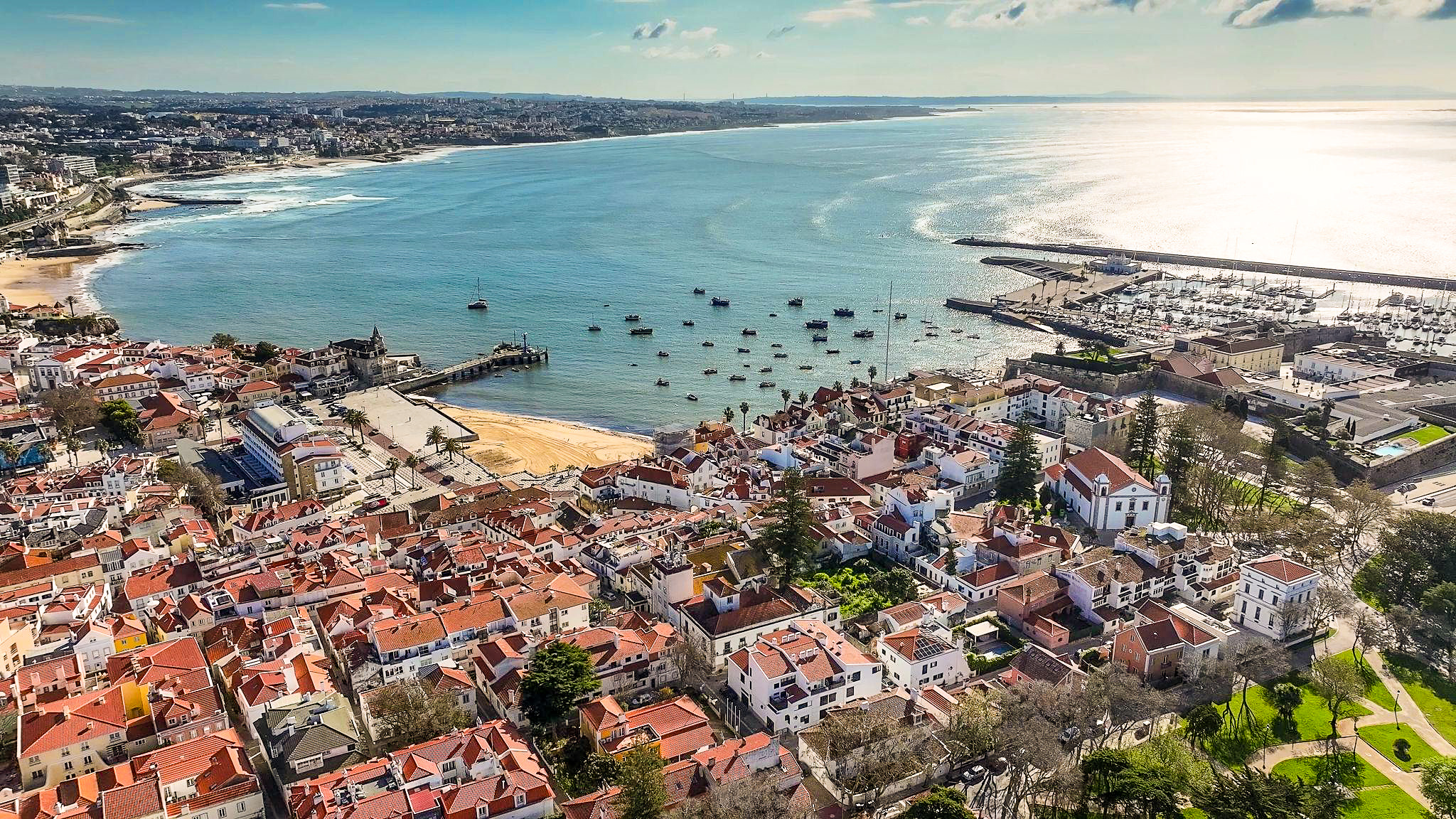
Think you’ve made it? Well, think again. Lisbon might be our final destination and where we’ll spend our last night, but it isn’t the furthest west we plan to travel. From the city we follow the coast west, largely on cycle paths, towards Cascais. Once a fishing village and royal summer retreat, Cascais is now a lively seaside town with sandy beaches, an attractive old centre and plenty of cafés and restaurants. From here we follow the road around the headland to Cabo da Roca, the westernmost point of mainland Europe, with the Atlantic stretching away in front of us.
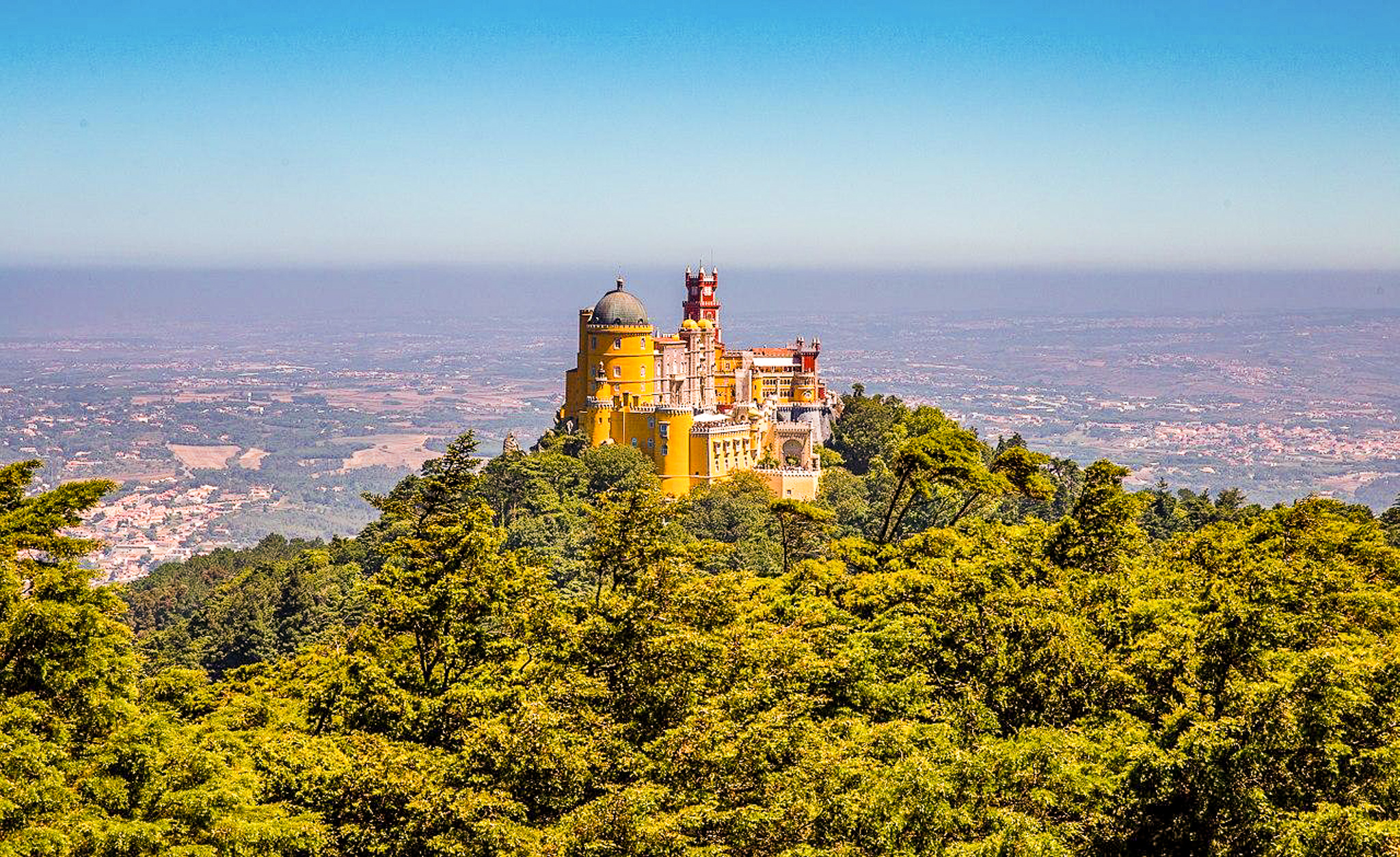
And that’s still not quite the end. We turn inland and climb through the Sintra-Cascais Natural Park, with the option to stop in Sintra to explore its extraordinary palaces and gardens. Then it’s back down towards Lisbon for our final night: a chance to celebrate crossing the Iberian Peninsula with good food, a few drinks and the lively streets of one of Europe’s most colourful cities. (B, L)
Highlights:
- Lisbon – explore the atmospheric Alfama, ride or walk along the waterfront, visit the Jerónimos Monastery or simply settle into one of the city’s many excellent restaurants and bars.
- Cascais – look out for the Boca do Inferno, a dramatic sea cave and blowhole just west of the town, where the Atlantic crashes into the cliffs.
- Sintra’s palaces – the colourful Palácio da Pena, the mysterious Quinta da Regaleira and the Castelo dos Mouros make this one of Portugal’s most intriguing cultural landscapes.
- Portuguese food & wine – finish the trip properly with fresh seafood, petiscos, grilled fish, excellent local wines and, if there’s room, a pastel de nata or two.
Departure day
You are free to check out of the hotel in your own time, and make your way for your onward travel. Alternatively, Lisbon makes a fantastic destination should you choose to extend your stay. Just let us know and we will book extra nights in our hotel. (B)
Highlights / sightseeing:
- Alfama – Lisbon’s oldest neighbourhood, a maze of steep lanes, tiled houses, tiny squares and traditional fado bars.
- Belém – home to the Jerónimos Monastery, Belém Tower and the Monument to the Discoveries, all set beside the Tagus.
- São Jorge Castle – perched above the city with superb views across the red rooftops and the river.
- Praça do Comércio & Baixa – the grand riverside square and elegant streets of central Lisbon, ideal for wandering, people-watching and finding somewhere for a final drink.