
The Road to Berlin
Tour Dates
17 September 2027 – 26 September 2027 – £2195 per person – Spaces available
The above prices are based on a shared room. The single room supplement for this tour is £495; this option will be available during the booking process.
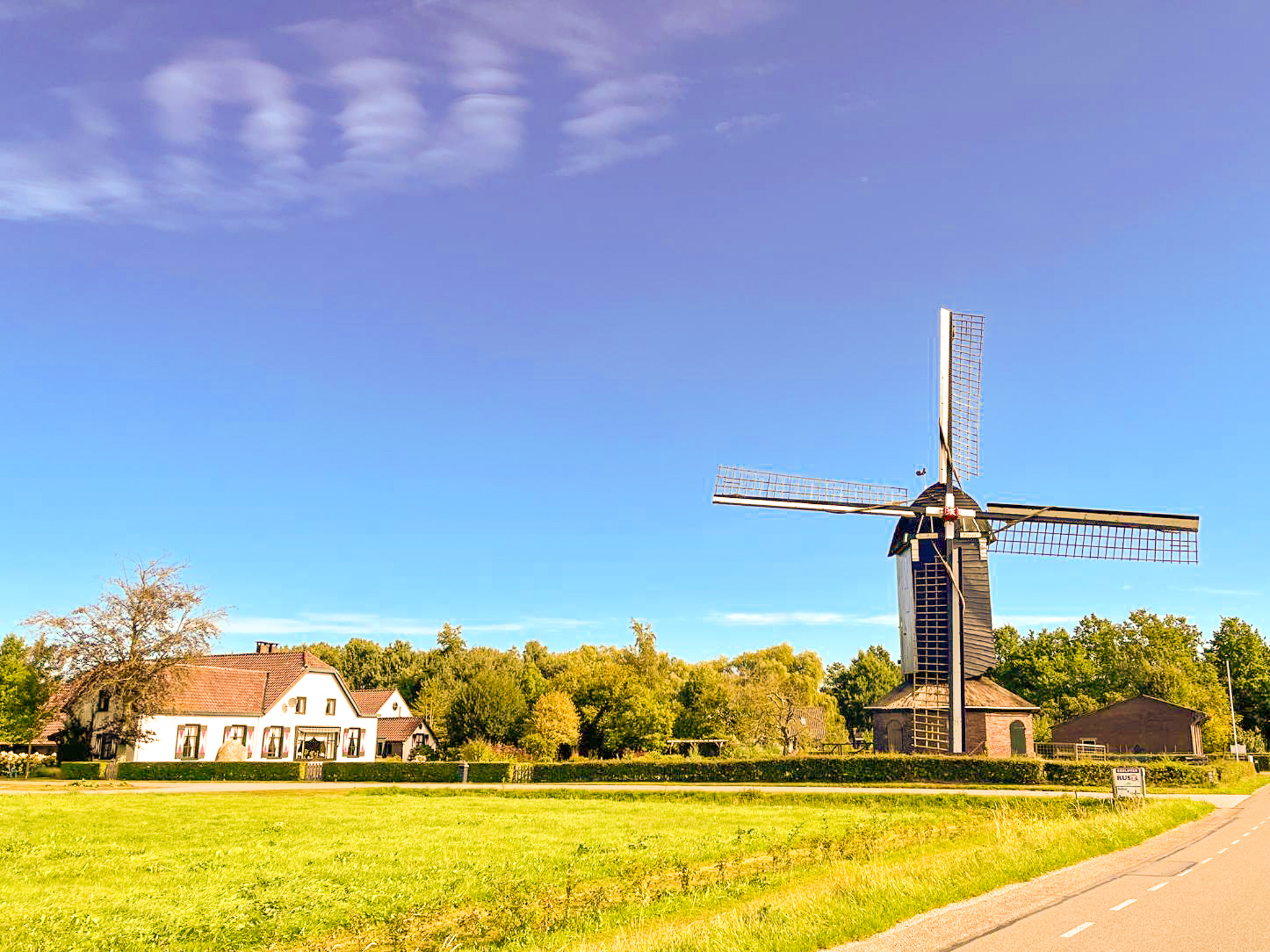
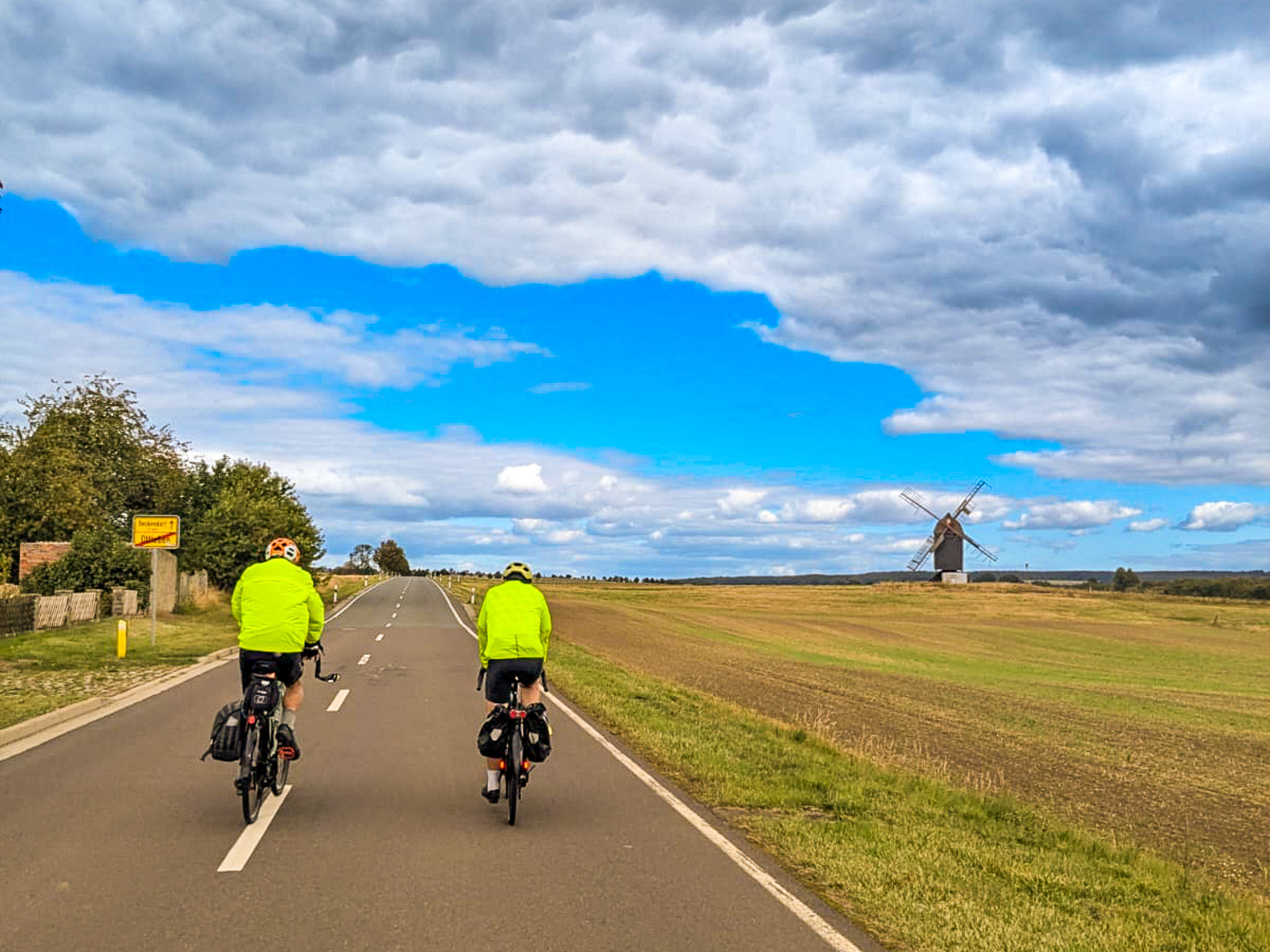
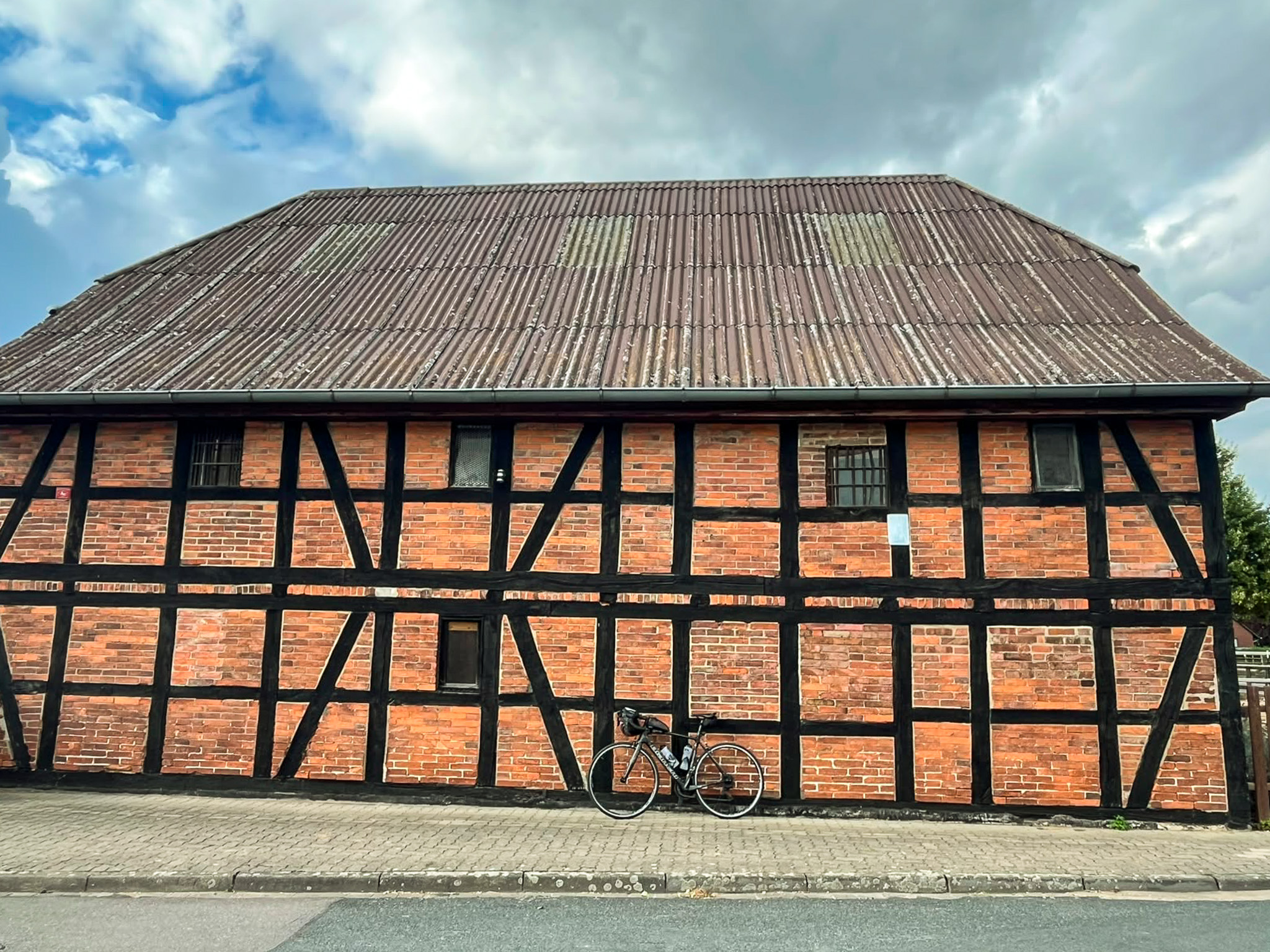
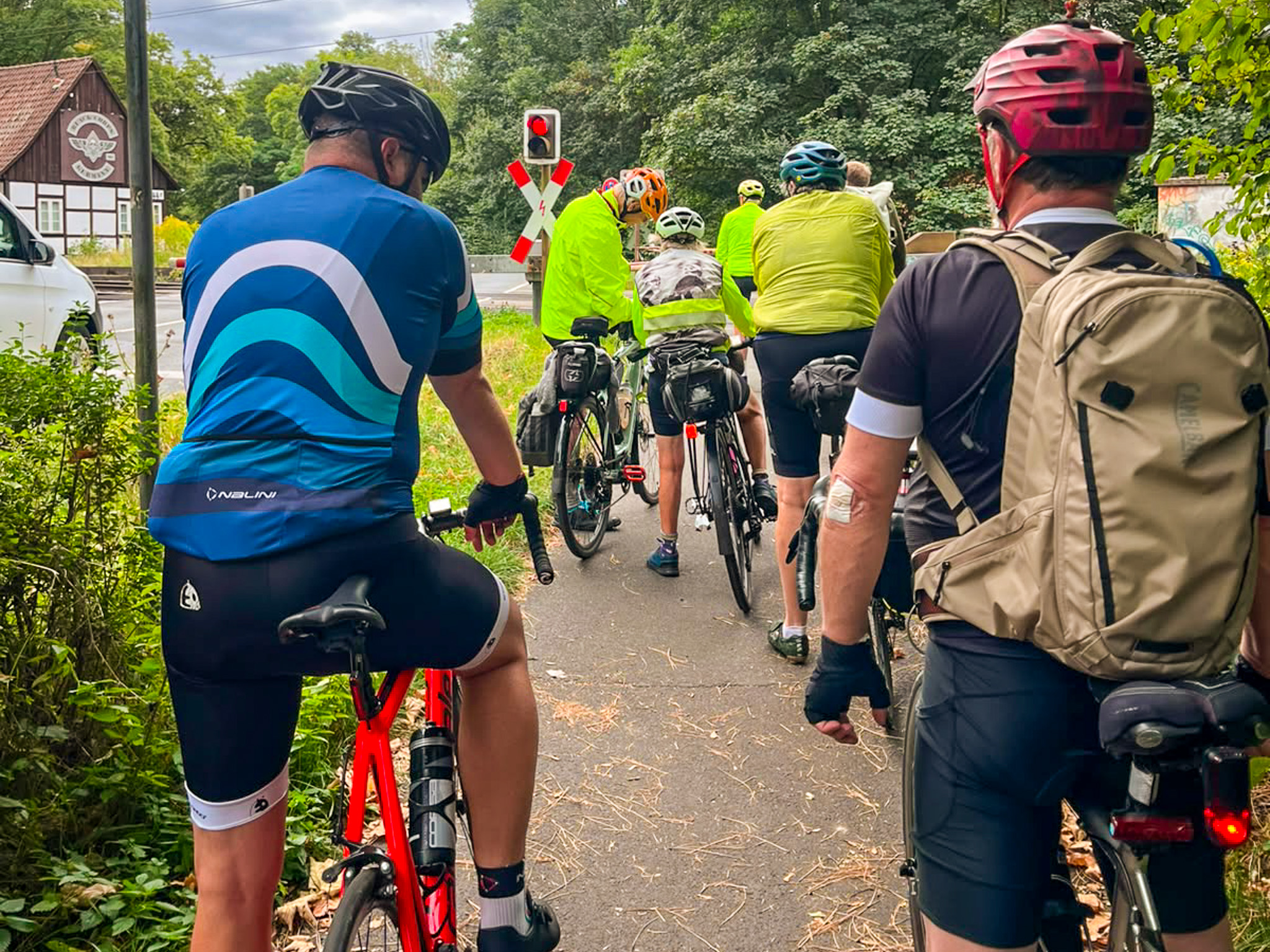
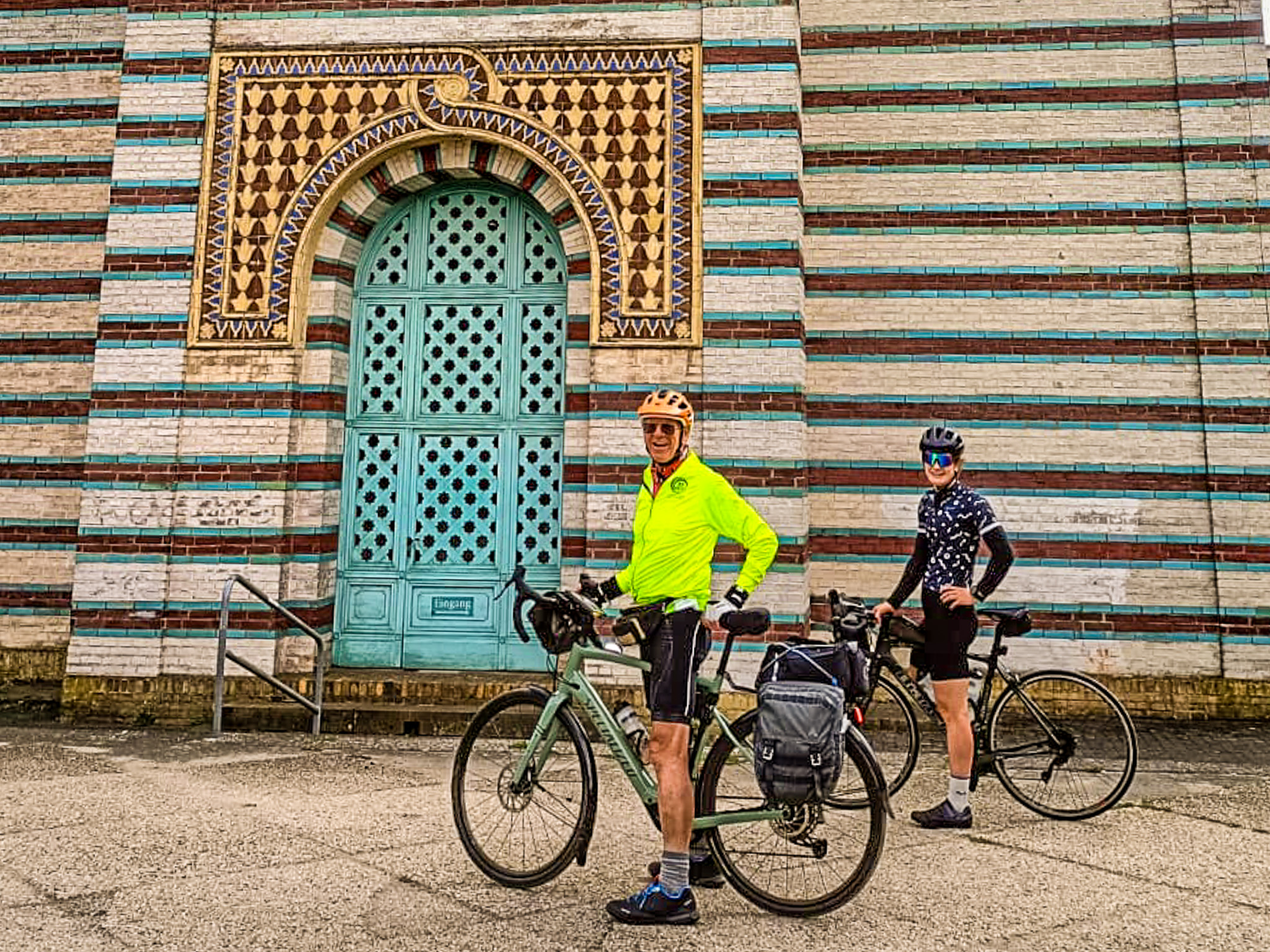
From the canals of the Netherlands to the heart of Berlin, this is a journey through two fascinating countries, taking in historic cities, quiet countryside and some remarkable moments in European history. Over eight days of cycling, we’ll follow waterways, woodland paths and peaceful country lanes, discovering everything from medieval Dutch towns and German Hanseatic cities to the landscapes of the former East–West border. And, of course, there’s the satisfaction of arriving in Berlin under our own steam.
Cycling – Total distance: 513 miles (825km) | Total ascent: 9,625 feet (2,934m)

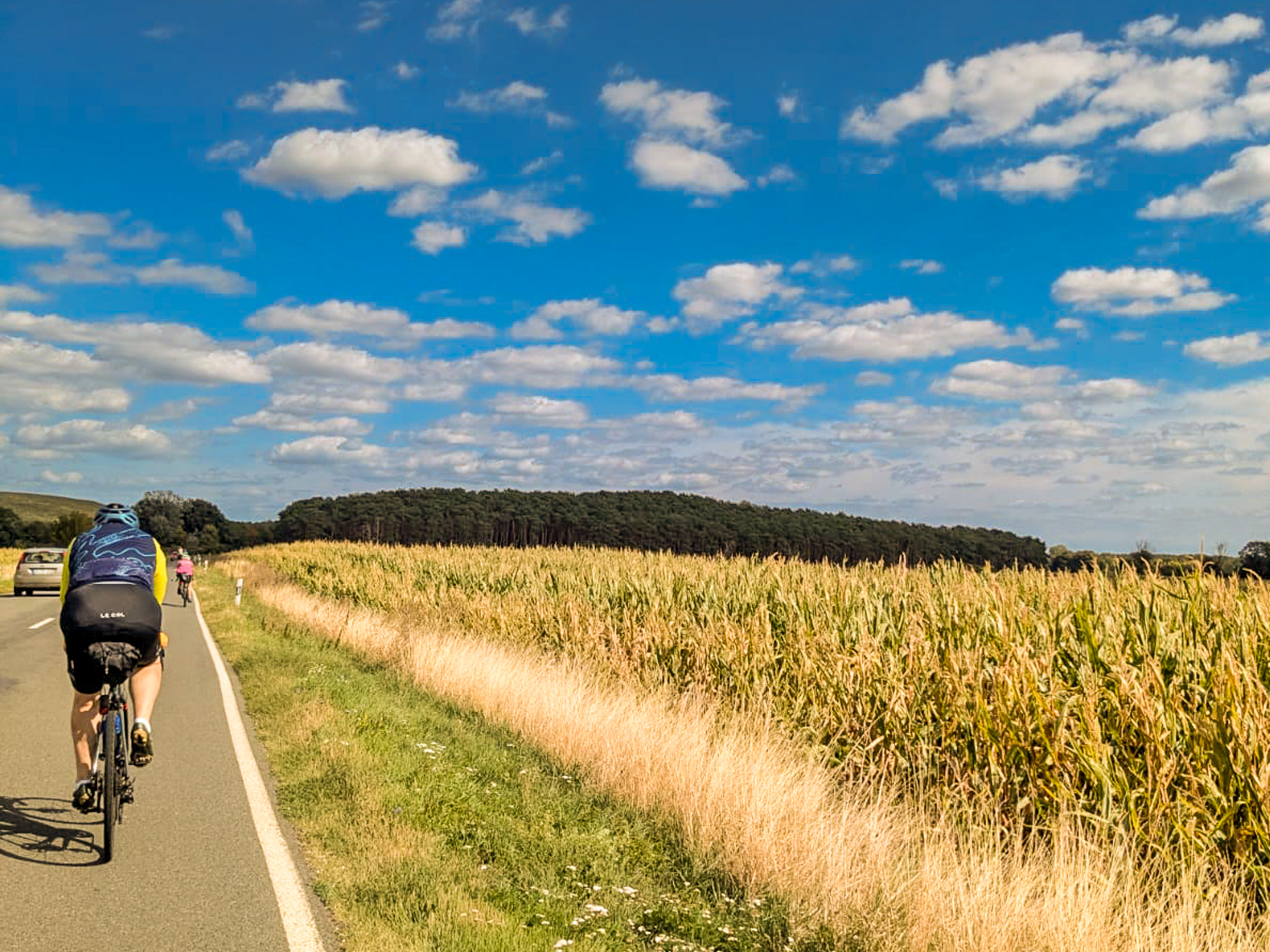
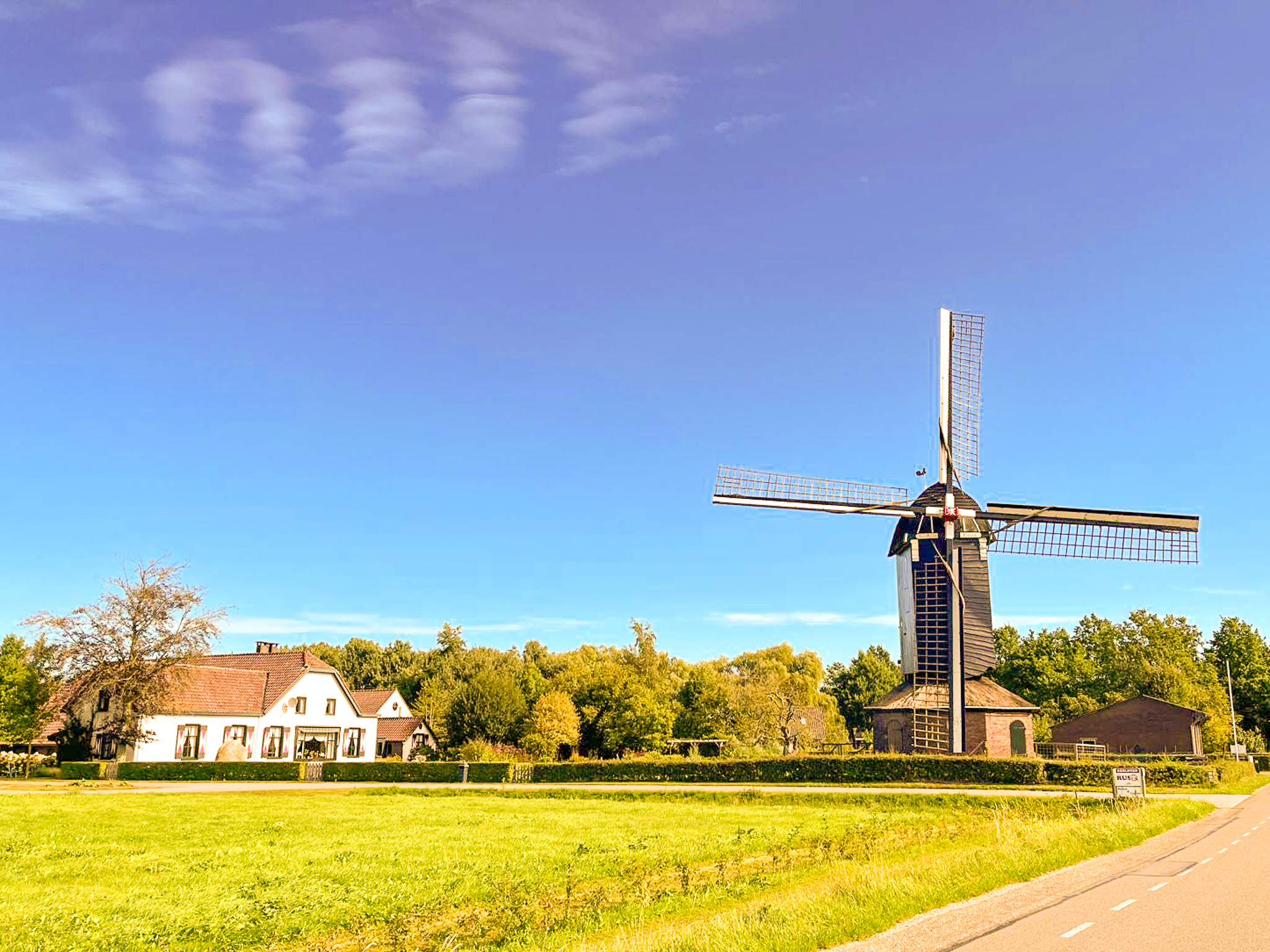
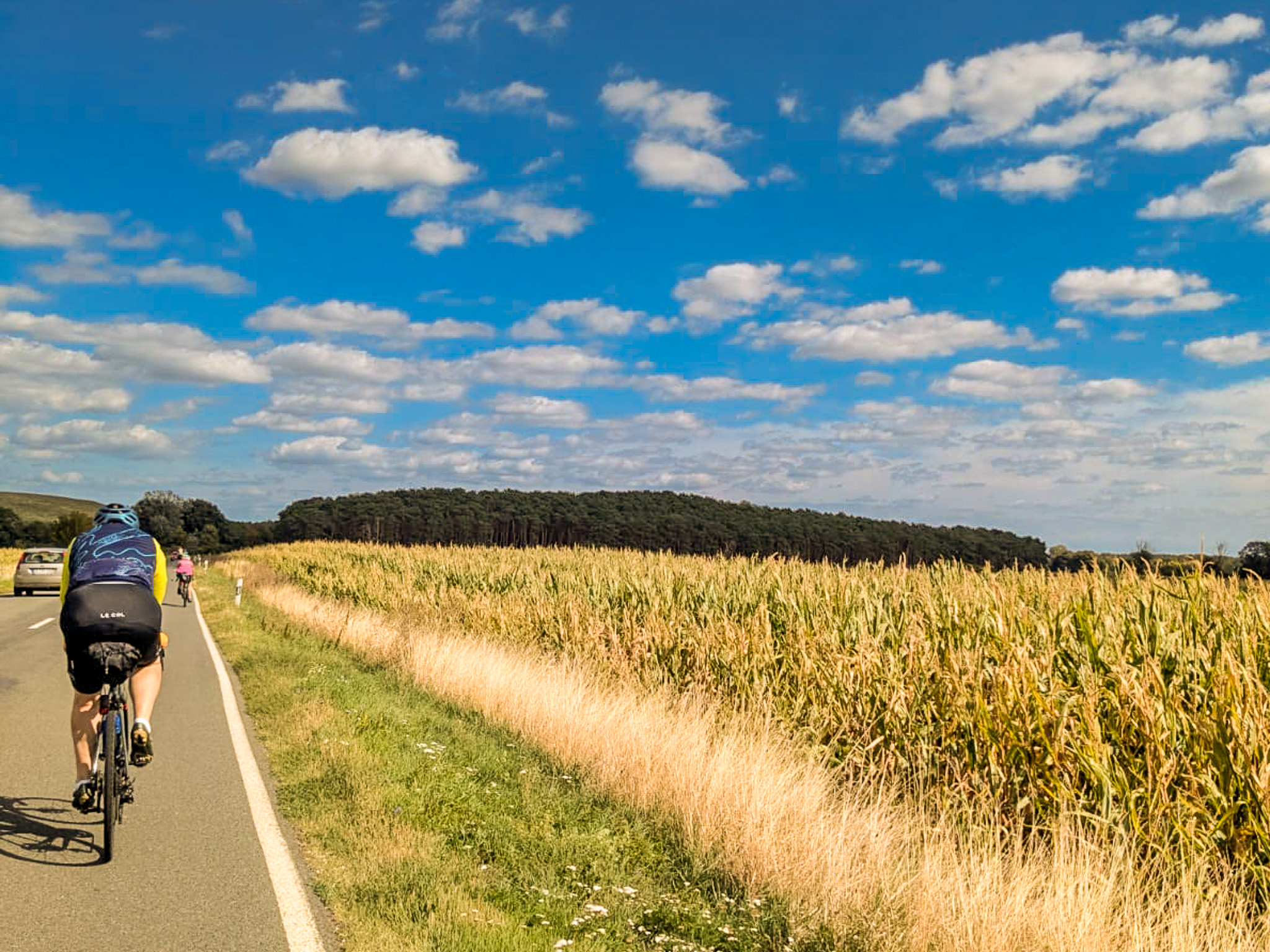
Starting in the Netherlands, we’ll enjoy classic Dutch cycling through open polders, canals and historic towns, before the landscape becomes more varied as we head east through the woodland and heathland of the Veluwe. Crossing into Germany, we’ll discover the intimate patchwork countryside of the Achterhoek and Twente, the wooded hills of the Osnabrücker Land and the broad agricultural landscapes of the North German plain.
There’s plenty of history along the way, from medieval trading cities and grand royal residences to the Cold War border and the extraordinary stories of Schöningen and Magdeburg. Much of the riding is flat or gently rolling, with a few longer days and some more challenging stretches to add variety. We’ll follow rivers and canals, skirt lakes and wetlands, and finish with a wonderfully scenic approach to Potsdam and Berlin. It’s a tour that combines the pleasure of the journey with some memorable destinations – and a pretty spectacular finish at the Brandenburg Gate.
Trip highlights
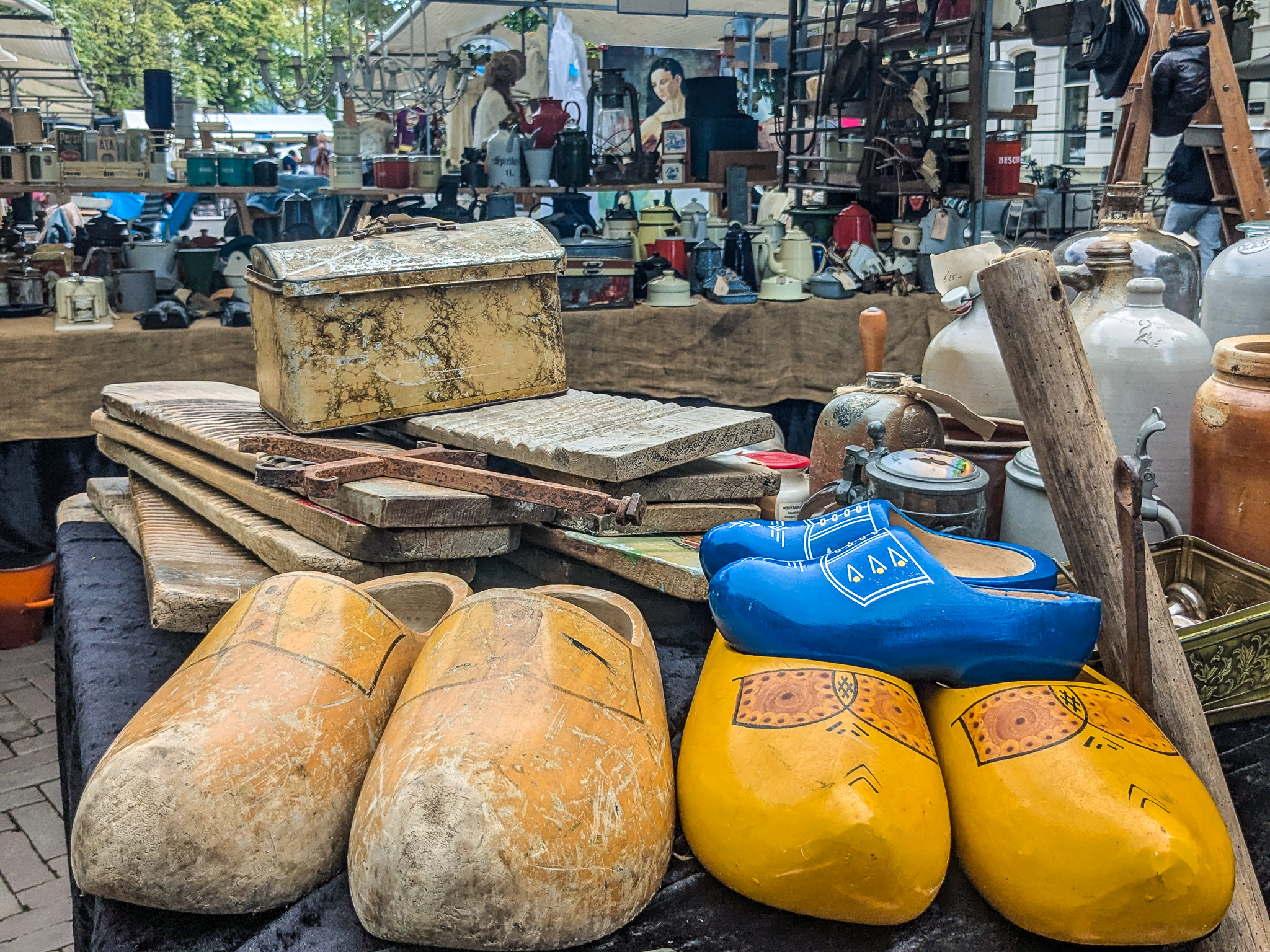
Delft and Gouda: Explore beautiful historic Dutch towns, famous respectively for their blue-and-white pottery and cheese, with canals, market squares and medieval architecture.
The Veluwe: Ride through the Netherlands’ surprising landscapes of pine forest, open heathland and sandy tracks.
Amersfoort and Deventer: Discover medieval streets, impressive city gates and the historic heart of two handsome Dutch towns.
The German countryside: Enjoy the wooded estates and patchwork landscapes of Twente, the rolling hills of the Osnabrücker Land and the peaceful waterways of the Elbe and Havel.
Osnabrück: Visit the historic Peace Hall, where the Peace of Westphalia was negotiated in 1648.
Schöningen and Hötensleben: Discover some of the world’s oldest known wooden hunting weapons and the remarkably preserved remains of the former East–West border.
Magdeburg: Explore the magnificent Gothic cathedral and the wonderfully eccentric Hundertwasser-designed Green Citadel.
Potsdam: Take in the palaces and gardens of the former Prussian royal residence, including the UNESCO-listed Sanssouci.
Berlin: Cross the Glienicke Bridge, follow the story of the divided city and finish beneath the iconic Brandenburg Gate.

Accommodation
Your accommodation is on a twin-share, bed and breakfast basis in a mix of comfortable chain hotels and selected family-run properties across the Netherlands and Germany. We prioritise rider comfort, with air-conditioned rooms where possible and secure bike storage throughout. While chain hotels offer consistent quality, we also include locally-run options with character when available.
NB Single accommodation is available for a supplement of £495.
Meals
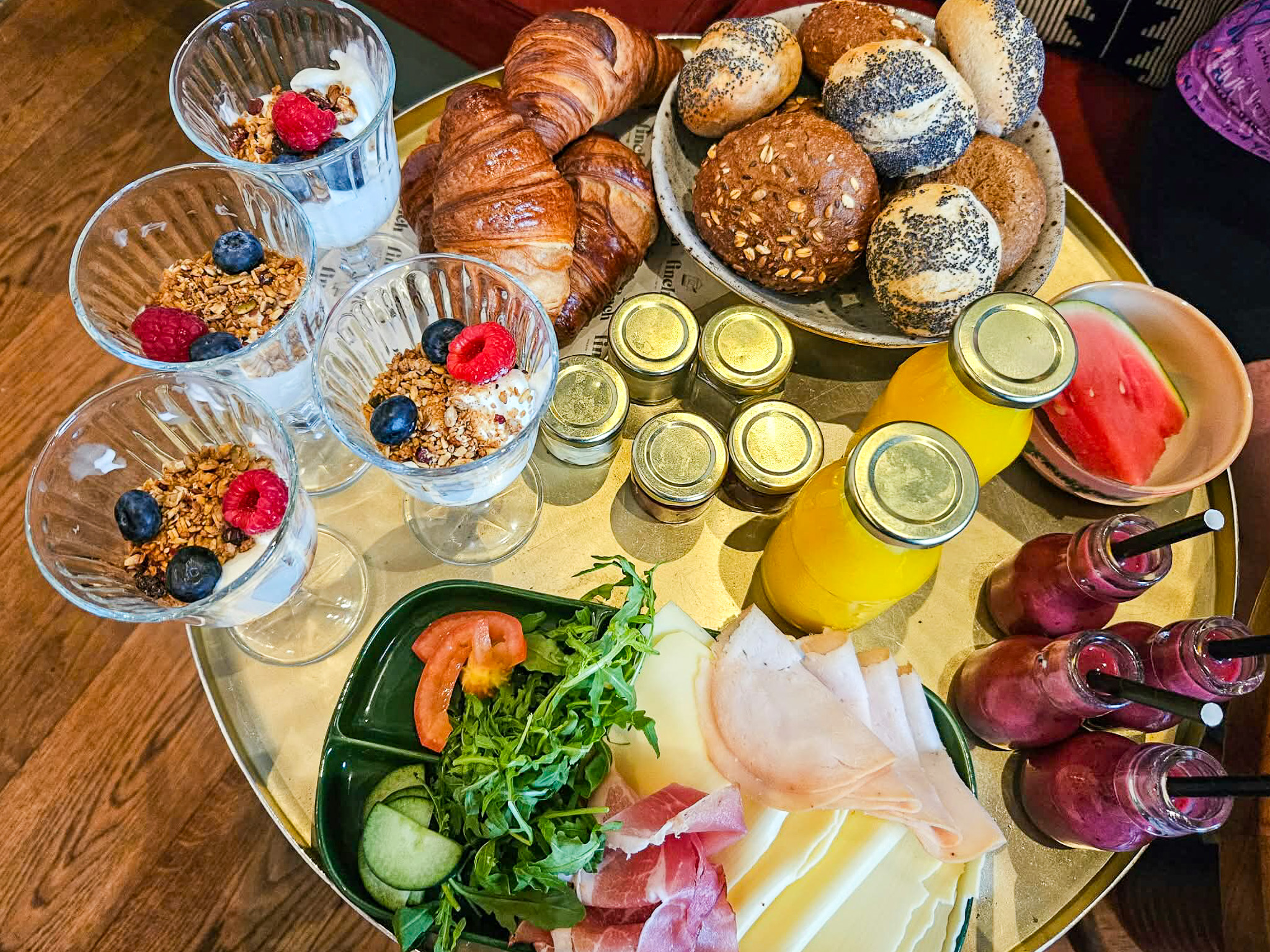
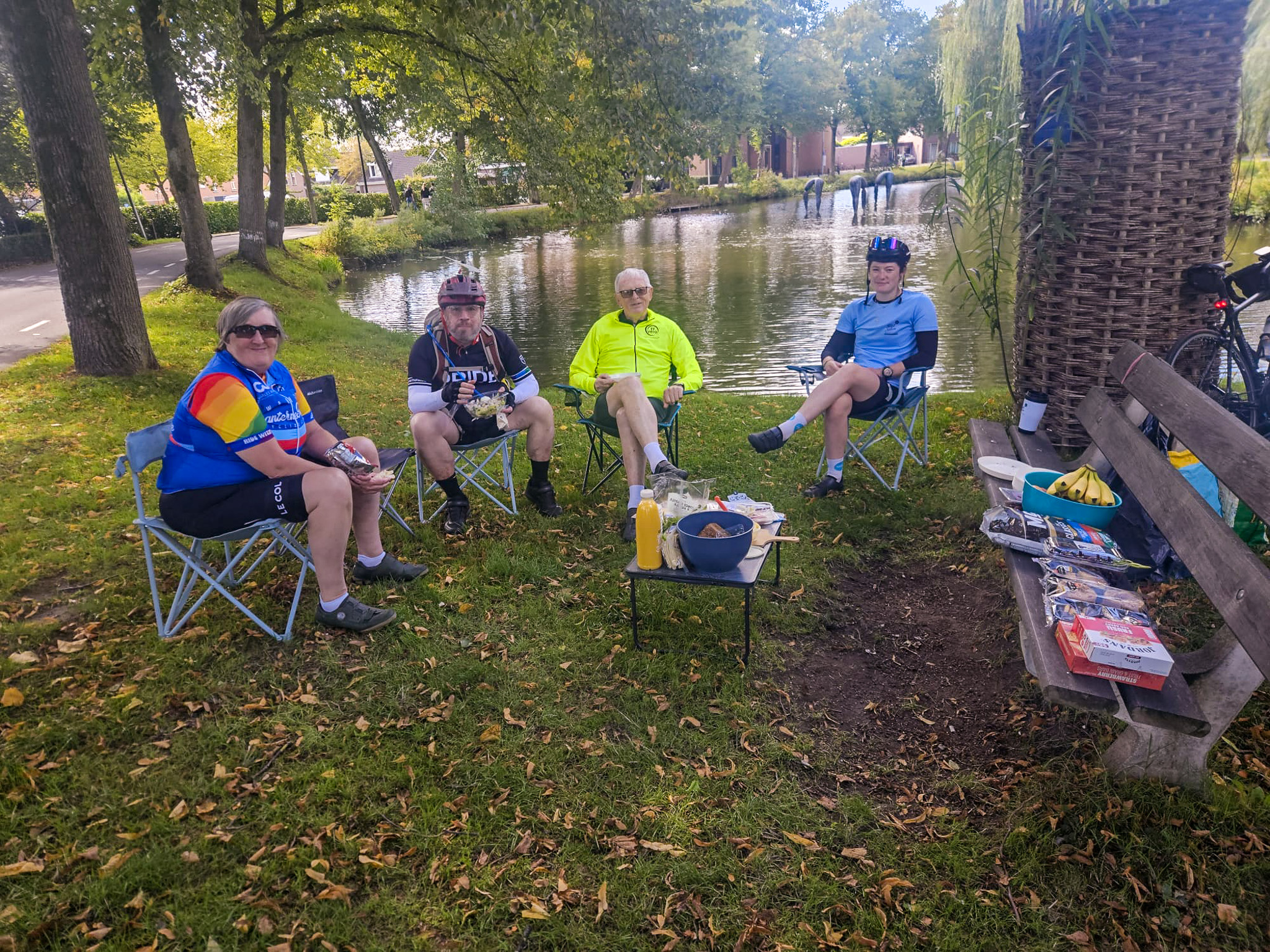
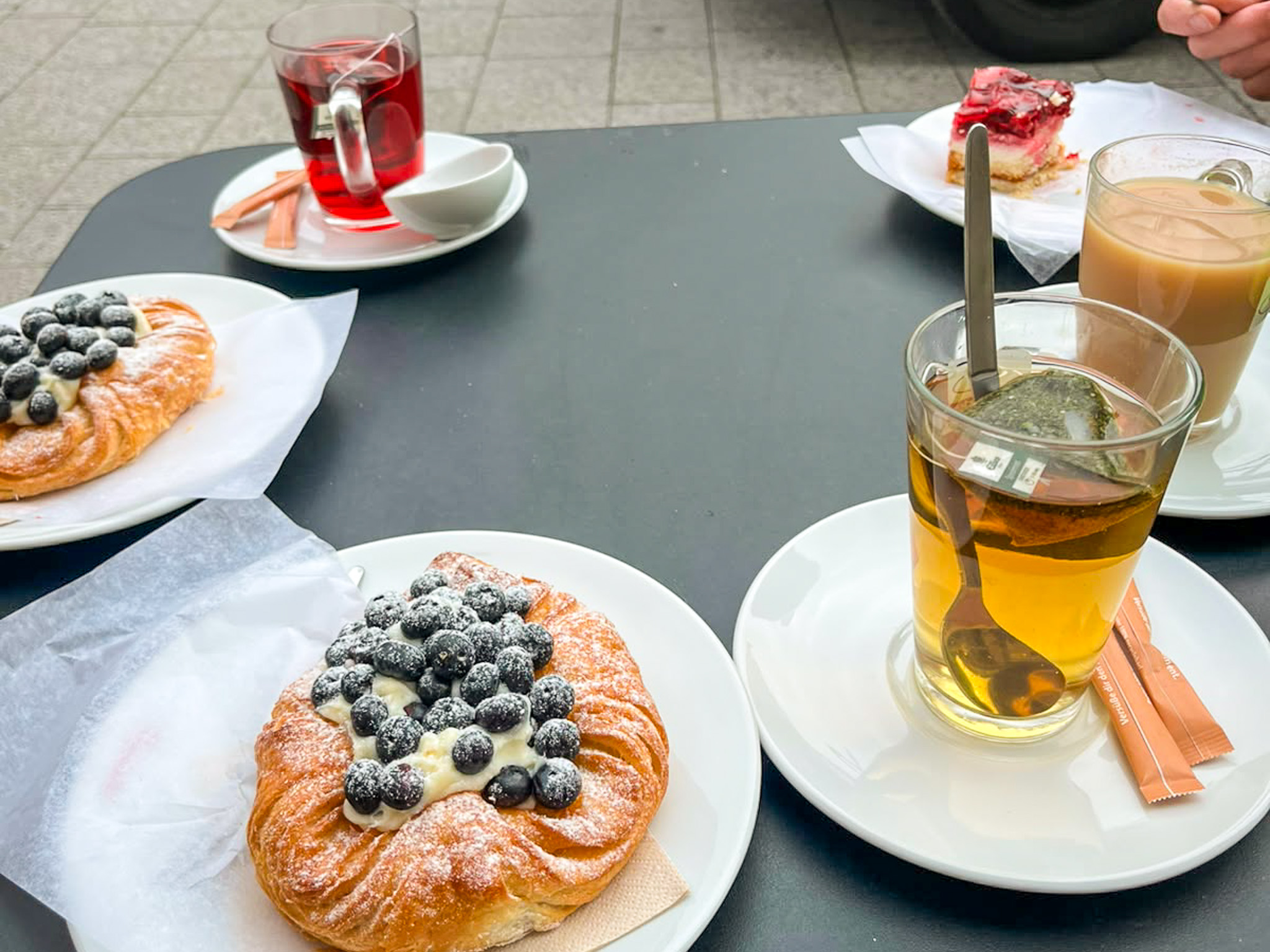
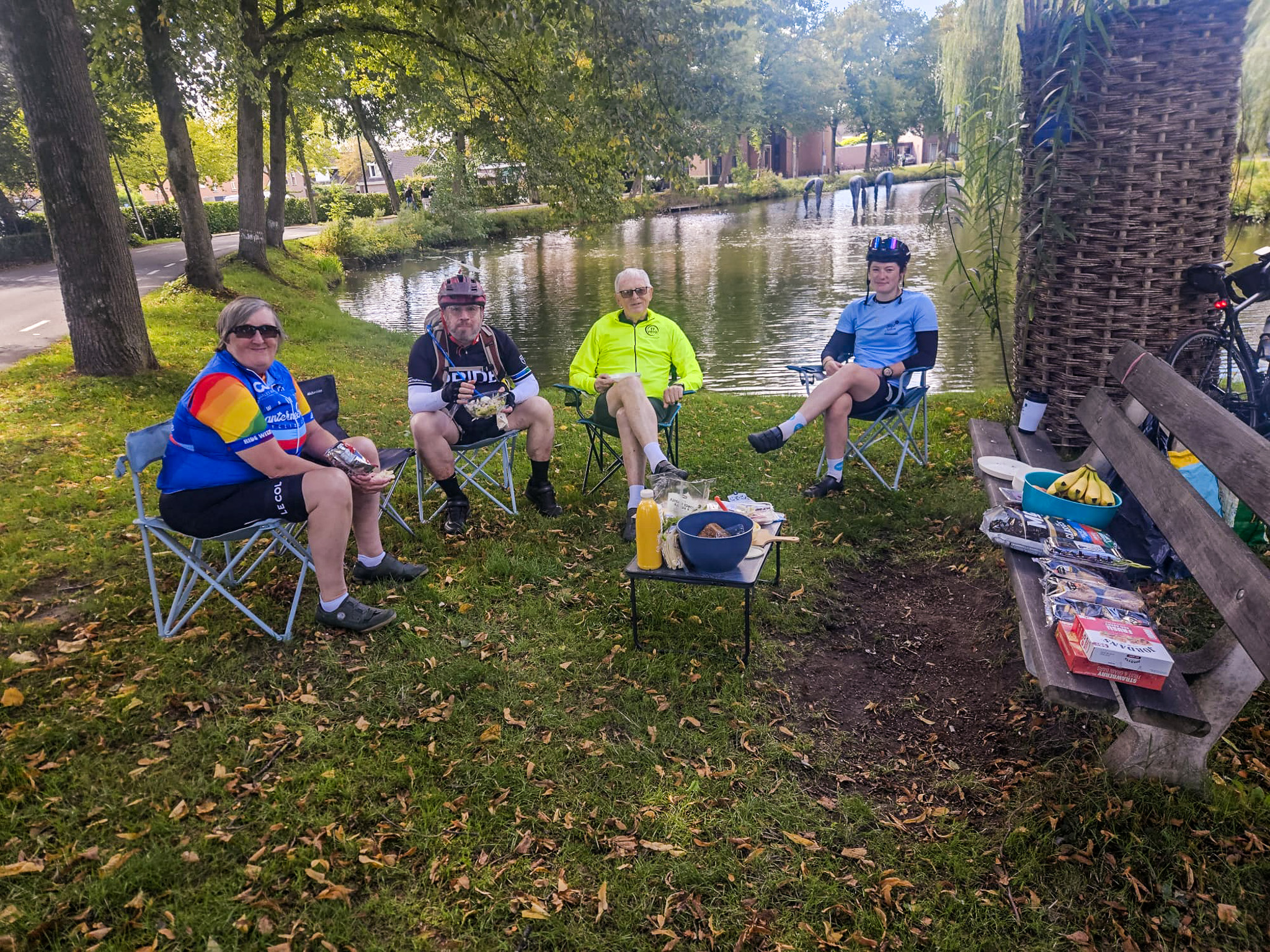
The hotels will provide breakfast whilst the support team will provide a pack-up lunch, this will depend on what is available on the day and could include a mix of fresh sandwiches, pasties or easy grab and bites sourced from local bakeries. If weather doesn’t permit outdoors we will get into cafes for quick lunch.
You will need to purchase your own evening meals, which are usually eaten communally although of course you are free to opt out if you wish.
We will carry emergency energy gels and bars in the support van but you are advised to bring along your own preferred sports nutrition to fuel your ride. There will be water refills, fruits bars etc provided to keep you hydrated.
In the Tour Plan, (B, L, D) refers to meals included in the trip cost i.e. Breakfast, Lunch, Dinner.
Bike Transfers
We will happily transport your bike to Harwich and back from Berlin at no extra charge. If you drop your bike off at our Sheffield office up to a day before departure we will carefully pack it in the support van, drive it to the start and then return it to Sheffield ready for you to collect.
If that isn’t convenient then depending where you live we may be able to collect your bike on our journey from Sheffield to Harwich. Please get in touch with us to discuss arrangements, any other arrangements will be for an agreed fee.
While we will take all reasonable care while handling your bikes, using padded covers and making sure they are securely stored, we are not liable for any loss or damage during transportation and storage. We recommend you have appropriate insurance.
Taking your bikes to the continent, As we are no longer part of the EU customs unions, any bike we transport to Europe requires an ATA Carnet which incurs a fee of £60 per bike. This cost will be added to your invoice.
Tour Plan
The route of this tour is flexible and should be seen as a guide only. Local conditions, weather or fitness could lead to changes in our daily plans. All times and distances are approximate.

-
Destination
-
Starts inHarwich International Port, Essex
-
Ends inBerlin, Germany
-
Road surfacesMostly flat with occasional hill. Mostly on cycle paths (expect gravel), roads near cities.
-
Bike TypeHybrid / Tourer / Road bike with tyres 26mm or above
-
IncludedThe Road to BerlinAccommodationLunchCycling guideGPX filesVehicle supportBaggage transfer
-
Not IncludedDomestic flightsEvening meals (unless specified)Bike hireTravel to start & from finishInternational flightsAirport transfersTravel insuranceCookie Policy (US)Cookie Policy (US)Visas


Arrival Day - Meet at Harwich International Port
We will meet at the ferry port in Harwich in the early evening ready for our departure to the Continent. Harwich is accessible by car and train. We will hold the pre tour briefing in the ferry terminal so that you are ready to roll the following morning, and load bikes into the van for transport to Hook of Holland.
Hook of Holland to Zeist
Distance: 63 miles (101km) | Ascent: 475 feet (145m)
Our ferry arrives early in the morning and, after setting up our bikes, we head briefly along the harbour front before turning inland. We follow cycle paths and canals through South Holland, where flat, open polders, green fields and waterways make for classic Dutch cycling, all the way to Delft. Famous for its distinctive blue-and-white pottery and its association with painter Johannes Vermeer, Delft is a beautiful historic city well worth the detour for a cafe stop in the market square, passing the Old Church and Old canal on the way into town and exiting via Oostport, the last remaining of the original city gates.
From there we continue along cycle paths almost all the way to Utrecht. The route includes a stretch parallel to the A12 main road but screened from view – testament to how seriously the Dutch take the cycling experience. We follow the canals in a loop north of and then through the centre of Gouda to our canal-side lunch stop south of the town centre for a cheese-themed lunch (alternatives for vegans and others.) Gouda is also the birthplace of stroopwafels, ideal for anyone needing a sugar boost.
The onwards route follows the River IJssel for much of the way to Utrecht, riding quiet country roads and paths. We ride through the centre of Utrecht along its distinctive canal banks and past the Dom Tower to give us a taste of this medieval city, with it rich religious heritage and a lively café culture that brings its historic centre to life. We stay over night in Zeist, a small town just outside Utrecht, with a classical style 17th century castle / palace.
Highlights
- Maeslantkering: one of the world’s largest movable storm surge barriers, an impressive feat of Dutch water engineering in the Hook of Holland harbour
- Delft: explore the old canal, Old Church and market square, or visit the Vermeer Centrum for an introduction to the painter’s life and work (no original paintings on display)
- Gouda: cheese, waffles and a magnificent 15th-century Gothic town hall
- Utrecht: discover the medieval Dom Tower, the remarkable Dom Church and the unique wharf cellars lining the canals, now home to cafés, bars and restaurants
Zeist to Deventer
Distance: 48 miles (77km) | Ascent: 675 ft (206m)
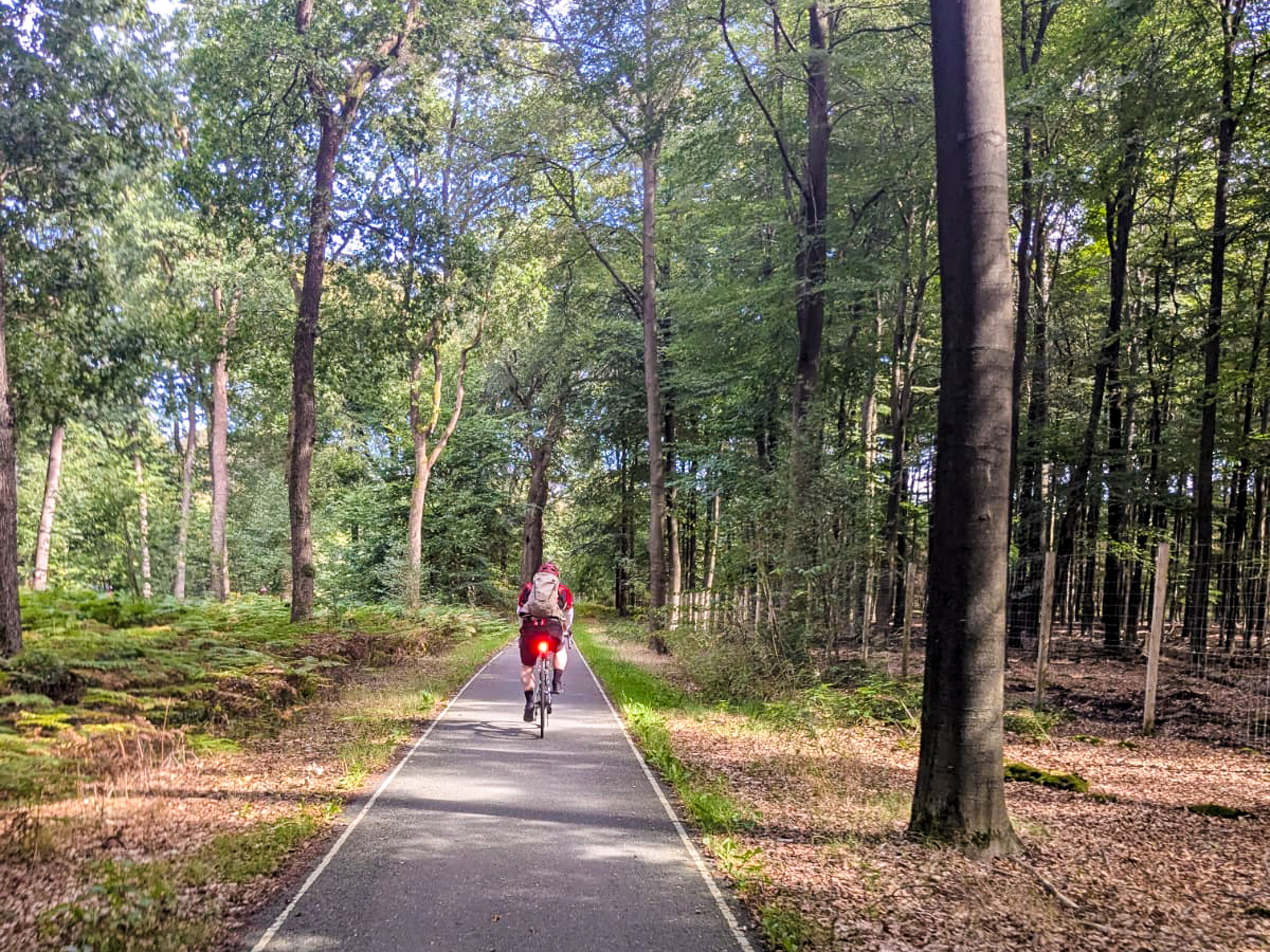
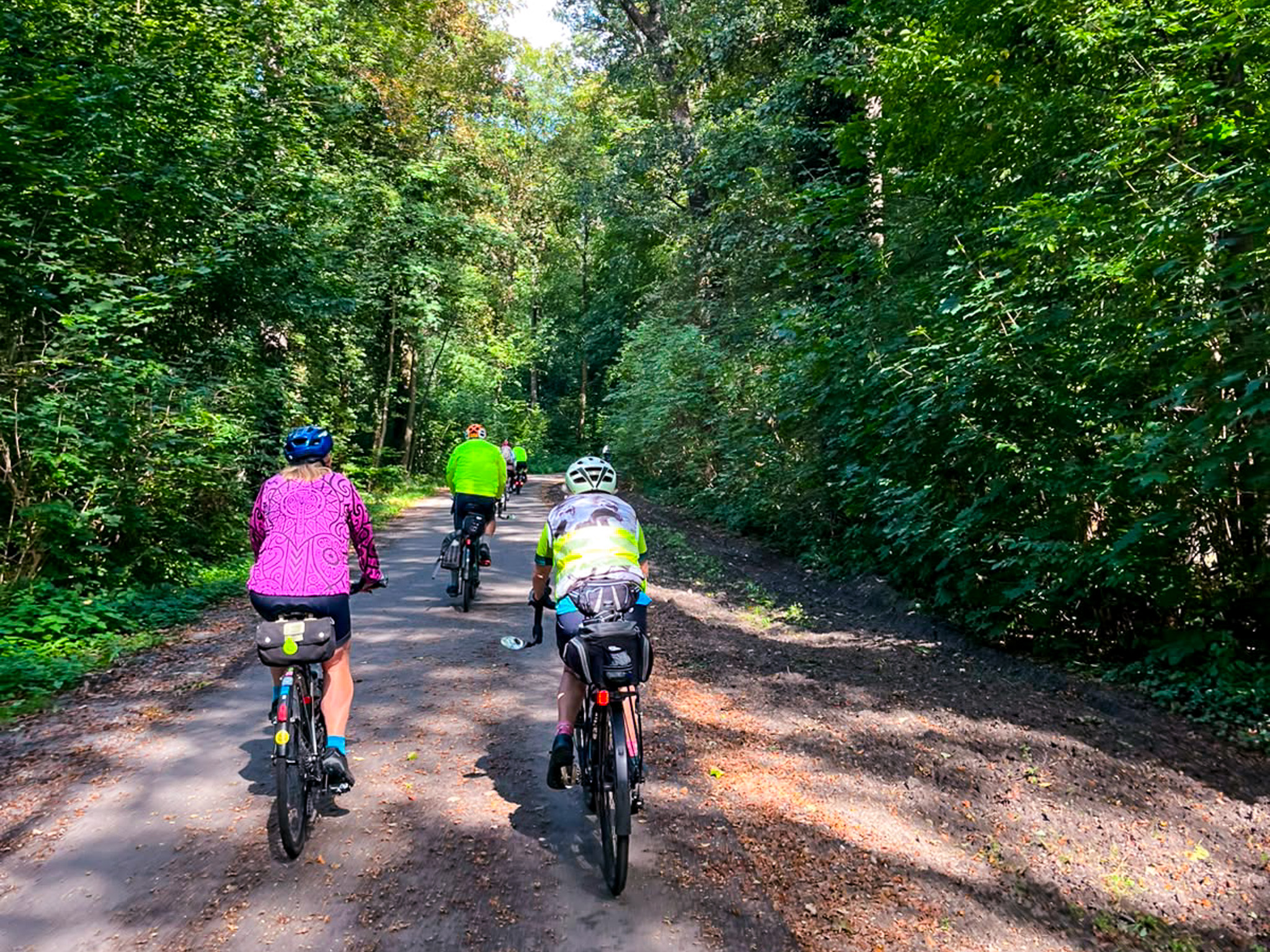
Around 80% of today’s ride on dedicated cycle routes. The landscape changes markedly as we head east, leaving the canals and open polders behind for pine and deciduous woodland followed by the broad heathland and sandy landscapes of the Veluwe around Radio Kootwijk. It’s a more varied landscape than you might expect from the Netherlands, with a gentle climb into the heart of the national park providing a change of pace.
We follow cycle paths first towards medieval Amersfoort, where we’ll stop for a morning café break before exploring the historic centre, including a short detour to the geographical centre of the Netherlands. Later, we ride through the woodland and heathland of De Hoge Veluwe National Park, enjoying lunch after a gentle climb of around 250 ft (76 m) over 3.5 miles (5.6 km). Skirting Apeldoorn, we make a short detour for a view of Paleis Het Loo, the former royal palace with its impressive formal gardens. From here, cycle paths lead us towards Deventer, a handsome Hanseatic city on the River IJssel, where historic streets and lively squares make a fitting end to the day.
Highlights
- Amersfoort: the spectacular Koppelpoort, a medieval water and land gate, plus the historic city walls and Onze Lieve Vrouwetoren, a landmark tower rising above the old town which marks the geographical centre of the Netherlands
- De Hoge Veluwe National Park: extensive woodland, open heathland, and sandy terrain
- Paleis Het Loo: a former royal residence known for its grand Baroque gardens and fountains
- Deventer: a historic Hanseatic trading city, with the medieval Waag on the Brink square and handsome old merchant houses
Deventer to Rheine
Distance: 66 miles (105 km) | Ascent: 625 ft (190 m)
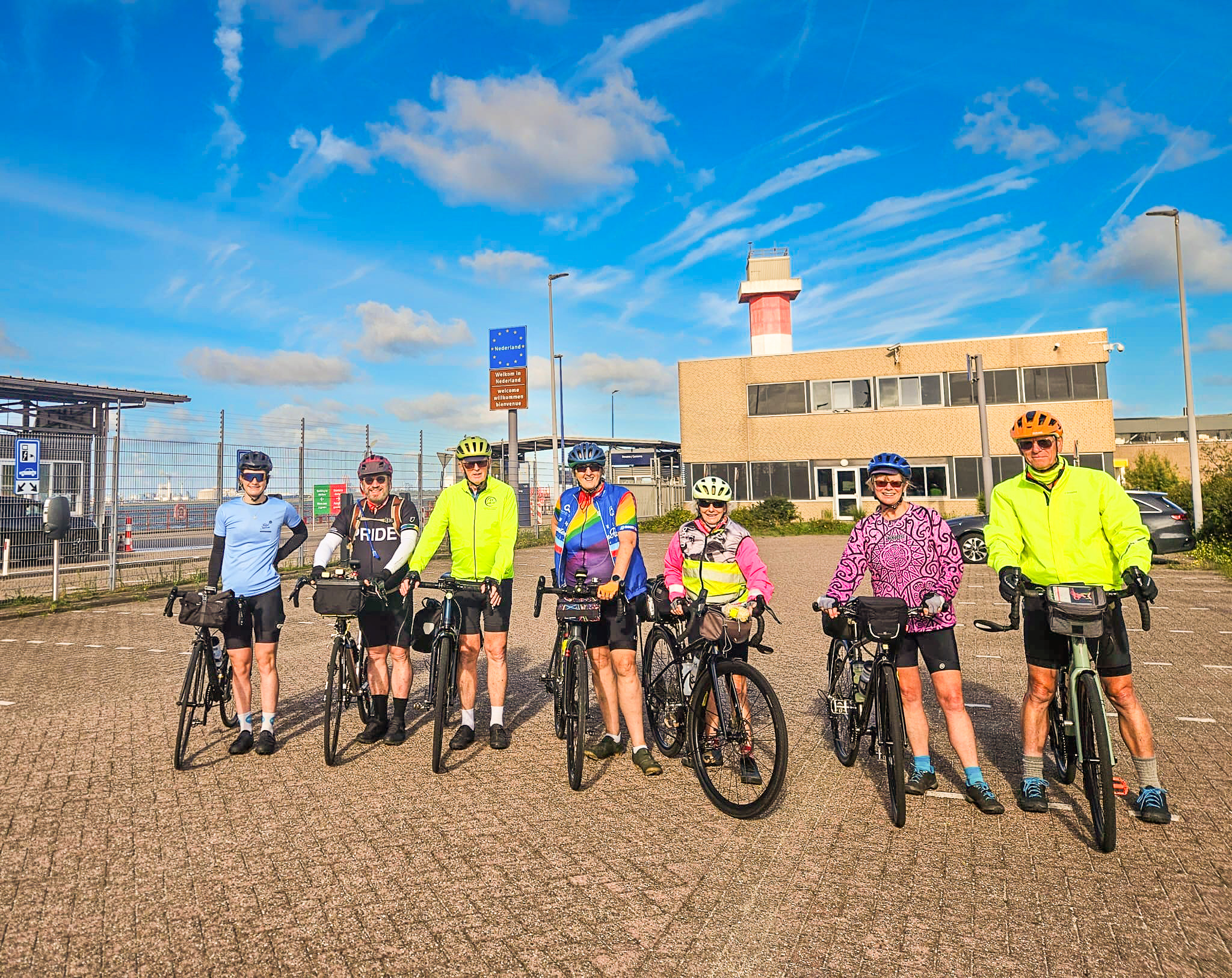
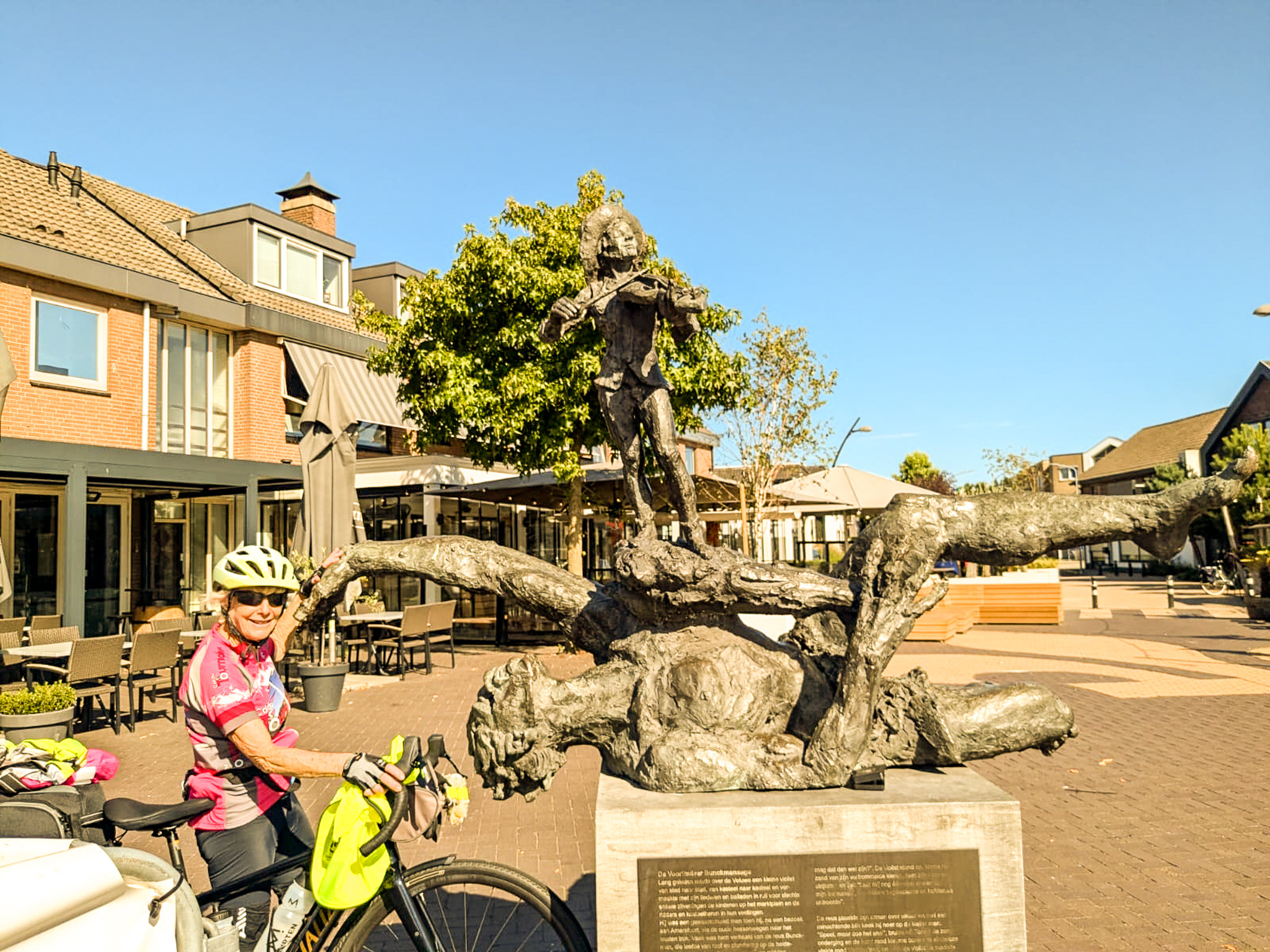
Today we cross into Germany, but there is plenty of riding before then! We leave Deventer for the quiet countryside and wooded estates of the Achterhoek and Twente regions. Around Lochem, we pass through a landscape of country lanes, mature trees and historic manor houses, before reaching Diepenheim, the smallest town in Twente. Known locally as Stedeke (‘little city’), it has an unexpectedly lively cultural scene, with independent galleries, artist studios and public art tucked among its historic streets. We’ll stop at a local café for refreshments and time to explore. Further east, the landscape becomes increasingly intimate and enclosed, with ancient oak trees, thick hedgerows and wooded banks creating the distinctive patchwork scenery known as coulisselandschap, or ‘stage-curtain landscape’.
We ride through Enschede on dedicated cycle paths, passing the Grolsch brewery on the way into this lively university city, known for its industrial textile heritage and regenerated urban centre. Beyond the small town of Losser, we reach the German border and follow it alongside scenic Oelemars lake, with a short stretch of unpaved path that is easily manageable on road bikes. We then continue east to Rheine, a pleasant riverside town on the River Ems, where the impressive Basilica of St Anthony provides a striking landmark at the end of the day.
Highlights
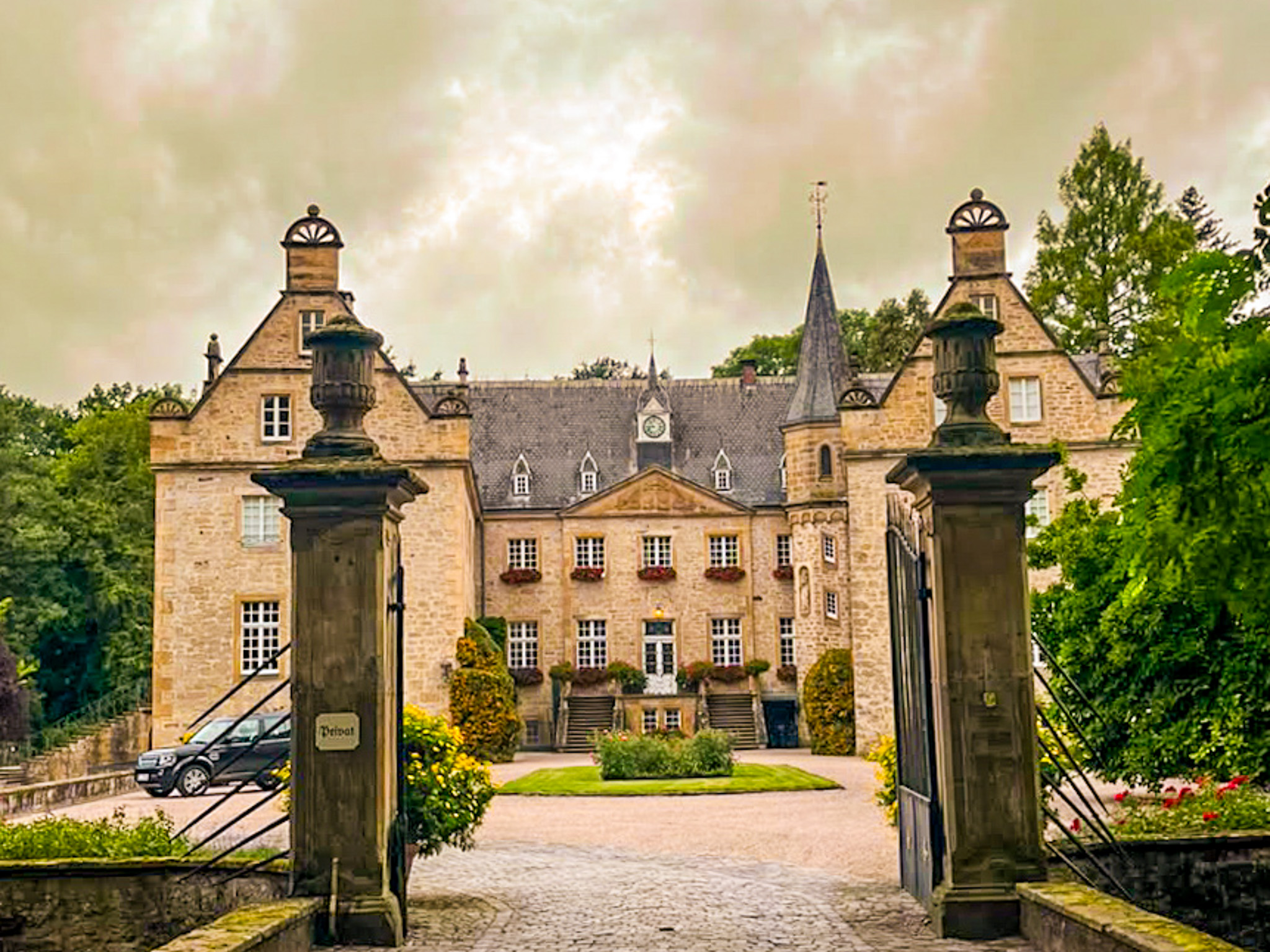
- Ampsen Castle: an elegant historic estate with roots dating back to the Middle Ages
- Diepenheim’s castles: optional detours to Huis te Diepenheim and Warmelo, with its celebrated gardens
- Enschede: with a lively city centre and contemporary cultural quarter
- Rheine: the Ems riverfront and the historic old town provides a relaxing base for the night
Rheine to Minden
Distance: 70.5 miles (113km) | Ascent: 2,400 feet (732m)
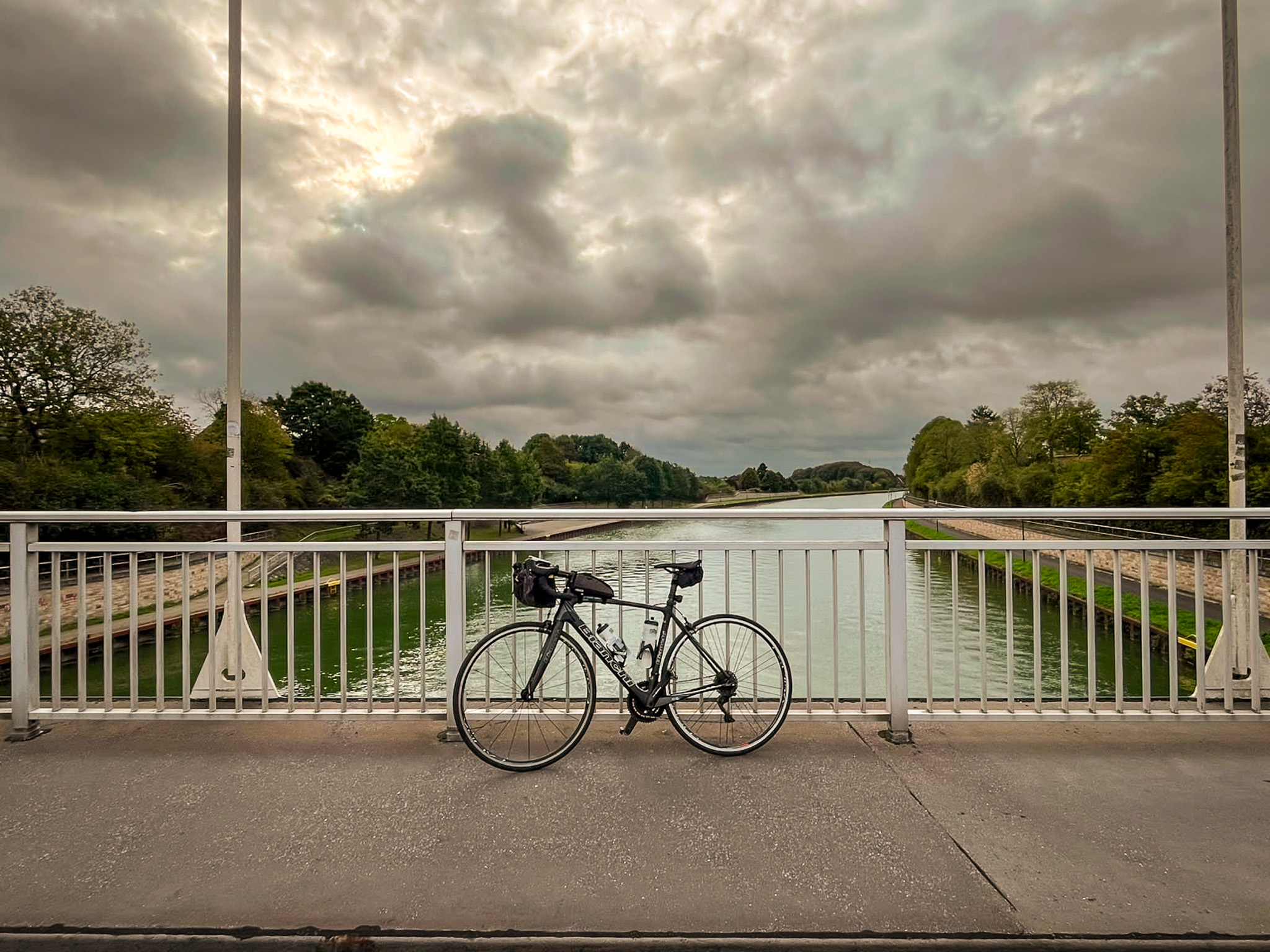
A longer day in the saddle, with a few more ups and downs than we've encountered so far. We start with some lovely riding along paved cycle paths through the forest before crossing the Dortmund-Ems Canal at Riesenbeck. The Riesenbecker Postweg provides our first real test, with a short, sharp climb reaching gradients of up to 7%, before the route settles into a more gently undulating rhythm through the countryside around Ibbenbüren. From Osnabrück, we head east through the rolling farmland and wooded hills of the Osnabrücker Land, climbing towards the Wiehengebirge around Rödinghausen before the landscape gradually opens out as we approach Minden.
Highlights
- The striking rock formations and geological features of the TERRA.vita Nature and Geopark.
- A chance to explore the historic centre of Osnabrück, including its medieval market square and the Peace Hall, where the Peace of Westphalia was negotiated in 1648.
- The wooded ridgeline of the Wiehengebirge and the countryside of the Ravensberger Hügelland.
- Minden's spectacular setting between the River Weser and the hills, overlooked by the monumental Kaiser Wilhelm Memorial.
Minden to Braunschweig / Brunswick
Distance: 81.5 miles (131km) | Ascent: 1,775 feet (541m)
The longest day of the tour, but don't let the mileage put you off: like much of our route so far, the riding is predominantly flat and very manageable. We've enjoyed plenty of sightseeing detours through historic towns and villages along the way, but today we've taken a slightly different approach, giving ourselves the chance to settle into a comfortable rhythm and enjoy the miles rolling by. Leaving Minden, we cross the Weser and head into the wooded countryside of Lower Saxony, with the rolling hills of the Weser Uplands providing a lovely backdrop to the south. This is the Schaumburg region, characterised by its wooded ridges, pretty villages and a mix of open farmland and forest. Around the spa town of Bad Nenndorf, the scenery becomes more pastoral as we continue east towards Hanover.
We skirt Hanover to the south, leaving the city itself for another day, and cross the broad floodplains of the River Leine, passing the distinctive conical hill of Kronsberg as we leave the urban outskirts behind. From here, the riding becomes more open and agricultural, with quiet country roads, scattered villages and wide fields carrying us eastwards through the North German plain towards Braunschweig. It's a day for enjoying the rhythm of the ride rather than chasing landmarks, with a very different feel from some of our more sightseeing-heavy days. Our destination, Braunschweig, is well worth exploring, with a fascinating medieval history as a former Hanseatic trading city and the ducal seat of the powerful House of Welf.
Highlights
- The elegant spa town of Bad Nenndorf, with its historic spa gardens and Kurpark.
- The Kronsberg, a distinctive natural landmark on the southern edge of Hanover.
- Arriving in Braunschweig, known as the City of Lions, with its medieval Burgplatz, the imposing cathedral of St Blasii and the charming half-timbered streets of the Magniviertel.
- The River Oker, which loops around the historic city centre, providing some lovely green spaces and riverside walks.
Braunschweig / Brunswick to Magdeburg
Distance: 63.5 miles (102km) | Ascent: 1,925 feet (587m)
A rolling day of cycling, with enough ups and downs to add interest without ever seriously challenging the legs. The first part of our route takes us through the Elm-Lappwald Nature Park, a lovely landscape of wooded hills, ancient beech forests and open farmland. Known as the 'Land of Emperors, Jesters and Robbers', this area has a rich history of medieval folklore, geological curiosities and archaeological discoveries.
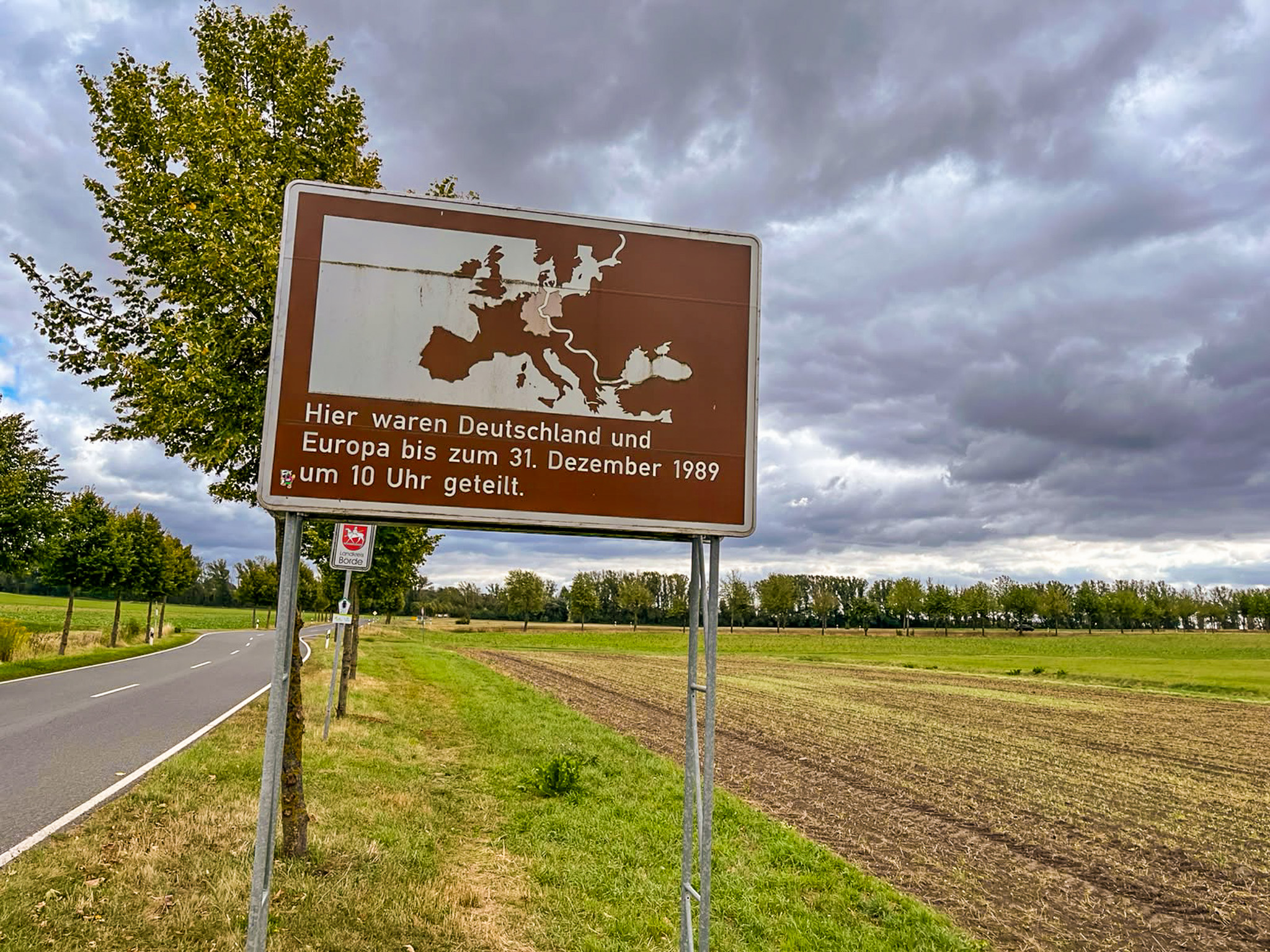
One of the most fascinating sections of today's ride is around Schöningen and Hötensleben, where the landscape tells the story of Germany's former East–West divide. From here, we continue east across the Magdeburger Börde, a broad, gently undulating agricultural landscape characterised by its exceptionally fertile soils, enormous fields of wheat and sugar beet, and quiet farming villages. The terrain gradually flattens as we approach the River Elbe and our destination, Magdeburg, a historic city with more than 1,200 years of history and a rather impressive architectural skyline.
Highlights
- The Schöningen spears, discovered nearby and dating back around 300,000 years, among the oldest known wooden hunting weapons in the world.
- The remarkably well-preserved Cold War border fortifications at Hötensleben, including watchtowers, concrete walls and patrol roads. This section of the former border is now part of the Grünes Band (Green Belt), a wildlife corridor following the old East–West divide.
- Magdeburg's magnificent Gothic cathedral, Germany's first Gothic cathedral and the burial place of Emperor Otto the Great.
- The wonderfully eccentric Green Citadel, the last major architectural project by Austrian artist Friedensreich Hundertwasser, with its colourful façade, golden domes and unconventional design.
Magdeburg to Brandenburg an der Havel
Distance: 58 miles (93km) | Ascent: 525 feet (160m)
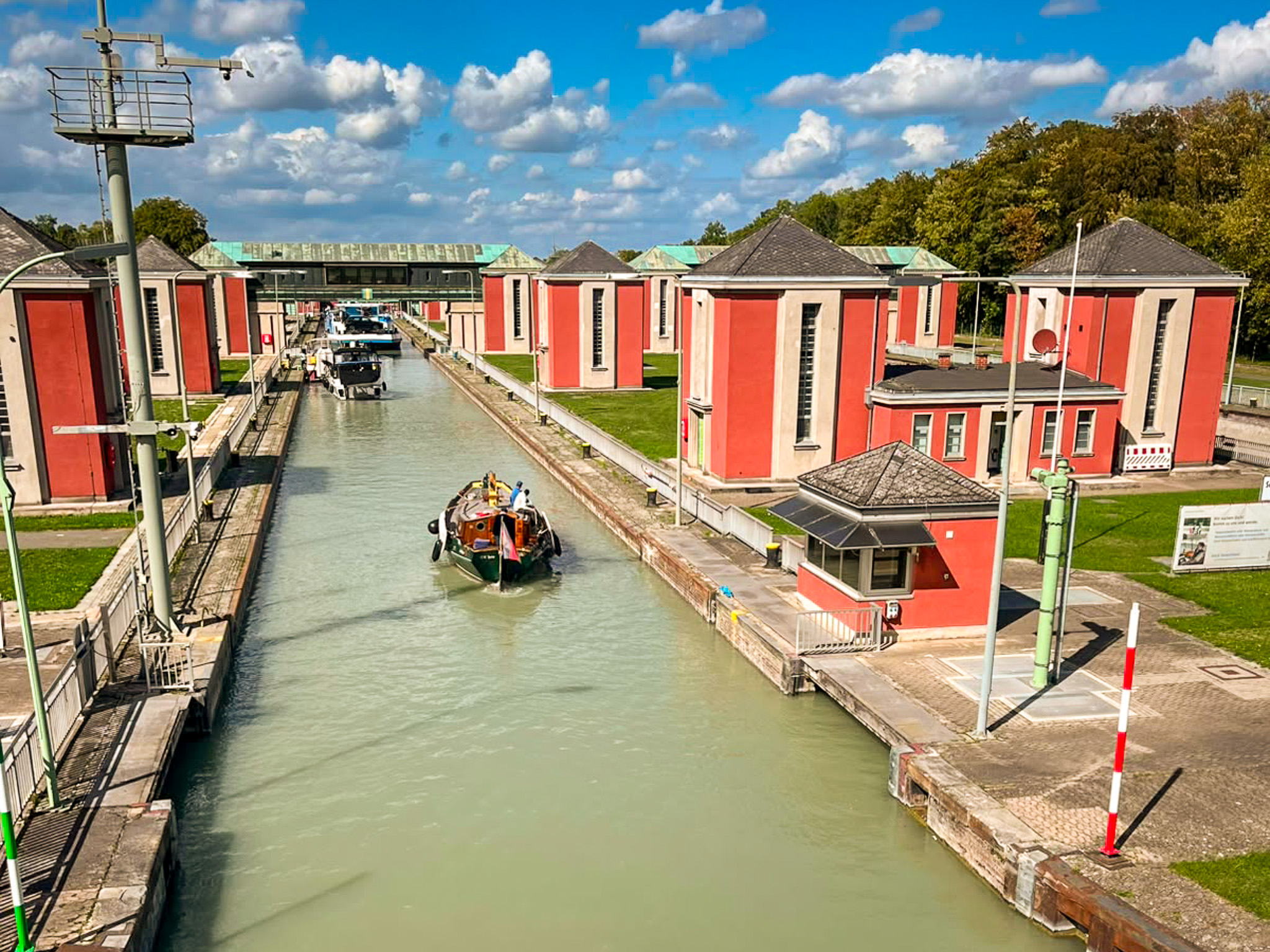
An easier day in the saddle, with predominantly flat riding as we head north-east from Magdeburg towards Brandenburg an der Havel. The landscape around the Elbe is wonderfully tranquil, with broad floodplains, wetlands and meadows forming part of the UNESCO Elbe Biosphere Reserve. We pass through Burg, a historic town in Saxony-Anhalt, before picking up the Elbe-Havel Canal for much of the journey towards Genthin. This is classic northern German canal country: long, straight waterways, handsome bridges, locks and water towers punctuate an otherwise very open landscape of farmland and small villages. An arrow-straight stretch of road then takes us towards the wooded and waterside landscapes around Buhnenwerder and Wusterau, before we reach Brandenburg an der Havel.
Brandenburg is a lovely place to finish the day, with a historic centre spread across several islands and waterways on the River Havel. Once an important trading centre and later a significant industrial town, it has a fascinating mix of medieval architecture and waterfront scenery. It also has a much darker chapter in its history: the Nazis established one of their earliest concentration camps here in 1933, followed by an infamous Operation T4 killing centre in 1940.
Highlights
- Burg, nicknamed the 'Town of Towers', with its distinctive collection of medieval towers, historic churches and surviving fortifications.
- The Elbe-Havel Canal, an impressive feat of engineering connecting the Elbe and Havel waterways.
- The wetlands and birdlife around Buhnenwerder and Wusterau, an attractive contrast to the open agricultural landscape.
- Brandenburg's historic cathedral quarter, including the impressive St Peter and Paul's Cathedral and the medieval old town. The Brandenburg Memorial to the Victims of the Nazi Euthanasia Murders are an important and sobering reminder of the city's history.
Brandenburg an der Havel to Berlin
Distance: 58 miles (93km) | Ascent: 1,250 feet (381m)
So far, our riding has been very much in the Pedal Nation tradition: enjoying the journey as much as the destination, with plenty of interesting places along the way. Today, though, it's hard not to feel a little extra anticipation as we head towards the wonderful city of Berlin and the end of our adventure. That doesn't mean we're taking the most direct route! In fact, today's ride winds around considerably more than we've done so far, following the twists and turns of the River Havel and its network of lakes and waterways as far as Potsdam, before making our final approach into the capital.
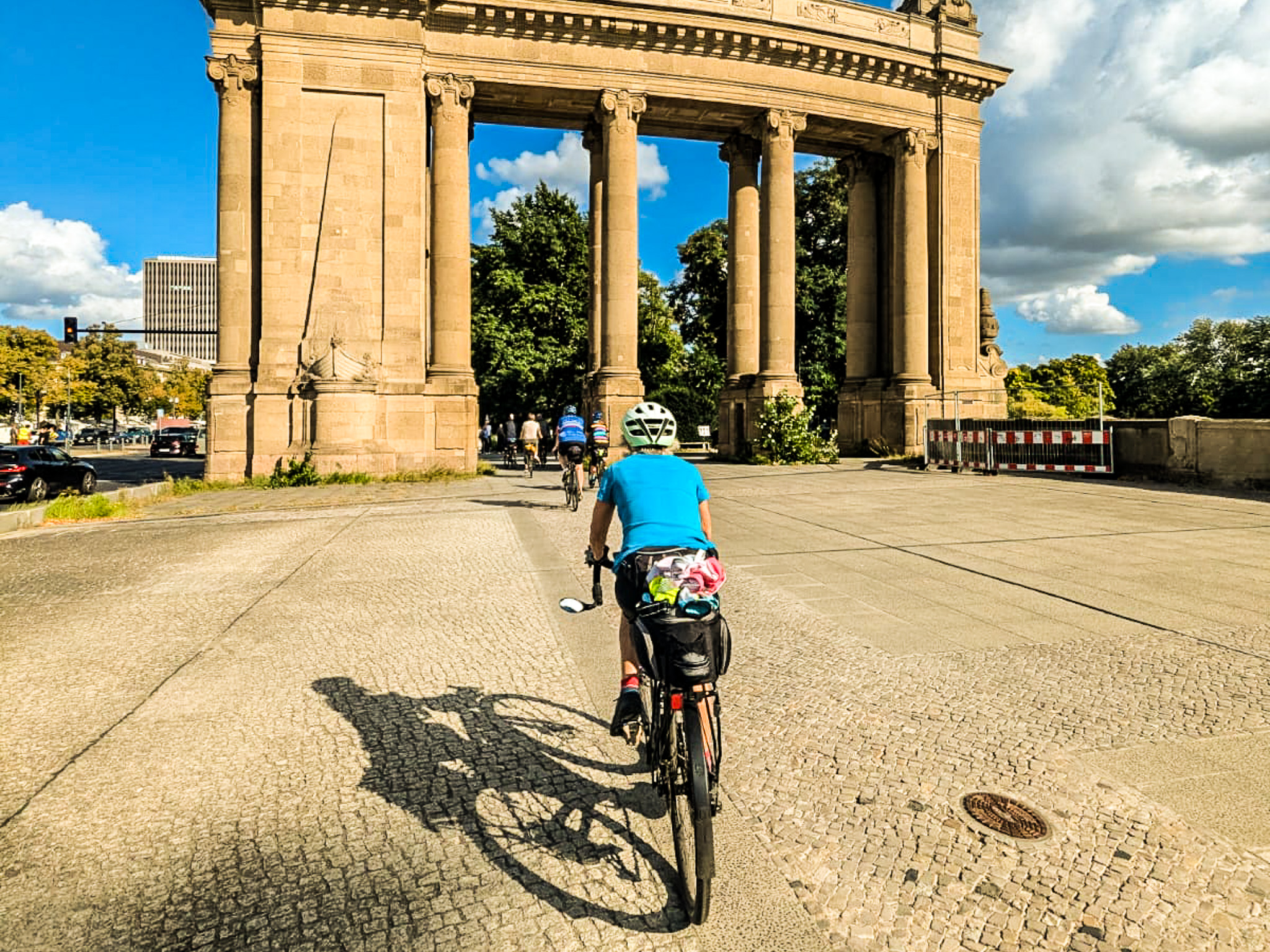
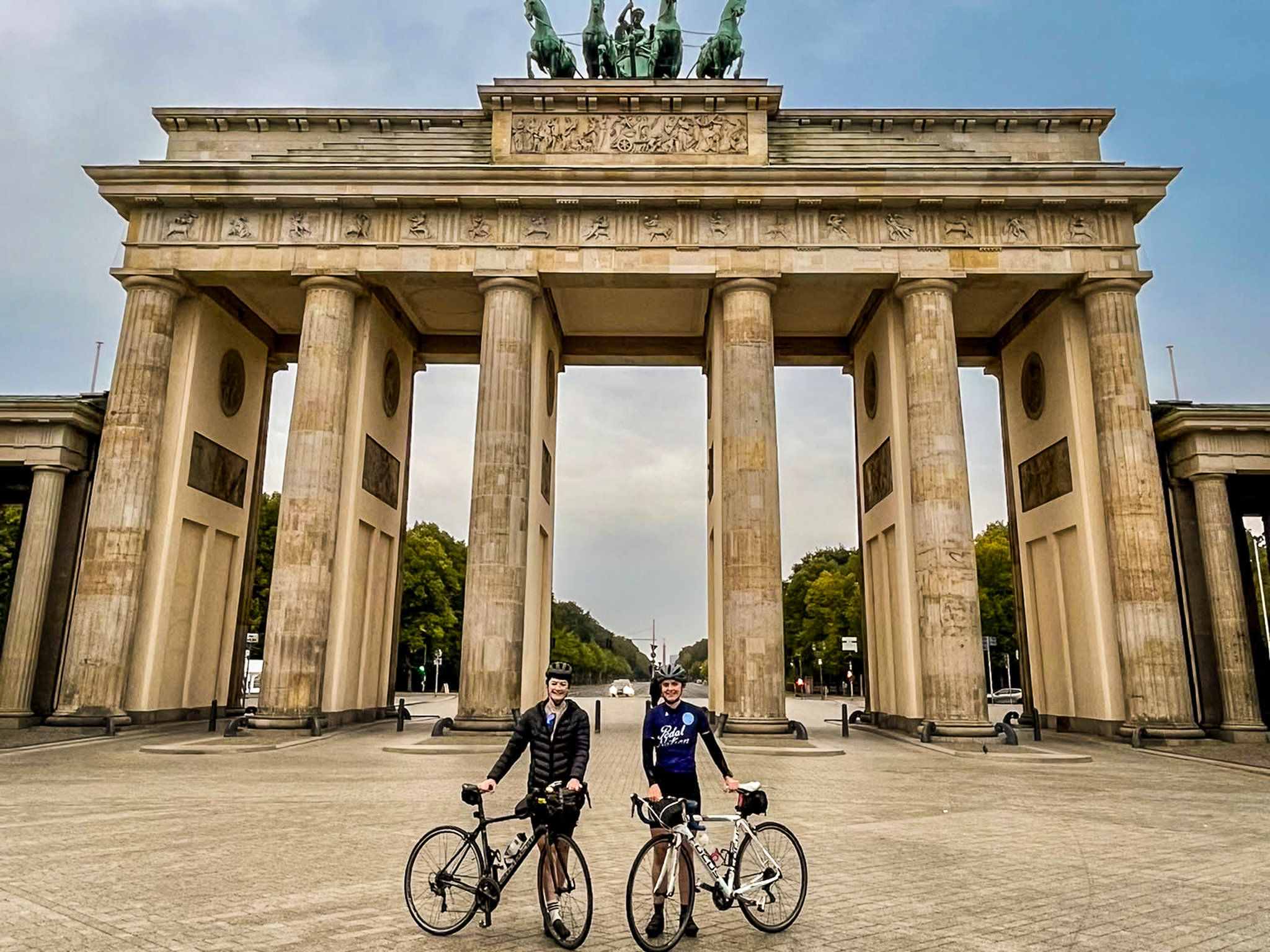
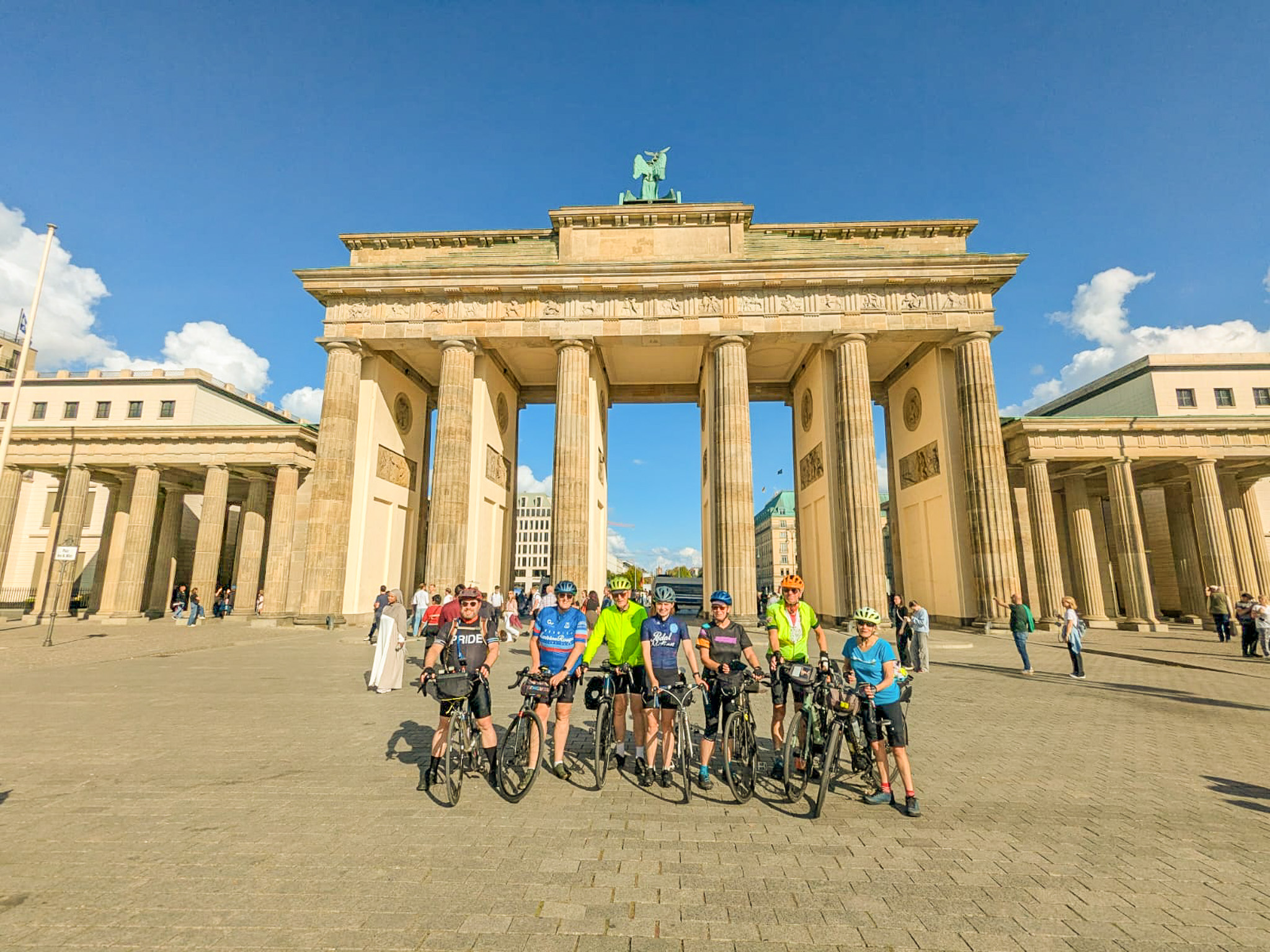
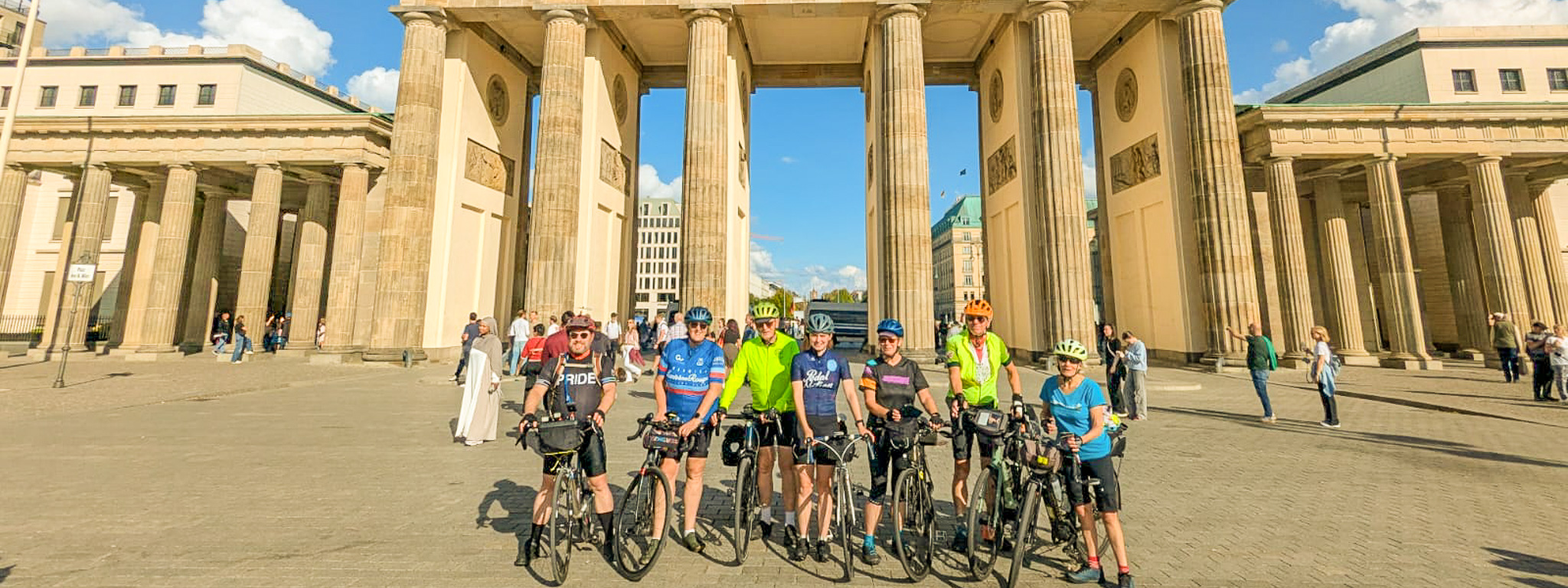
The Havel is a beautiful river, broadening into a succession of lakes as it winds through the countryside south-west of Berlin. Its banks are a lovely mix of wooded shores, wetlands, elegant waterside villas and open countryside, making for some particularly enjoyable cycling. Potsdam is a highlight in its own right: the former residence of the Prussian kings, it is a city of magnificent palaces, grand gardens and handsome historic streets. From here, we continue towards Berlin, gradually exchanging the tranquillity of the lakeside for the energy of the capital. Our epic ride ends at the Brandenburg Gate, one of Germany's most recognisable landmarks and a powerful symbol of the country's reunification. And then it's time to put the bikes away, raise a glass and enjoy a well-earned celebratory meal!
Highlights
- The extraordinary palace and garden landscape of Potsdam, including Sanssouci, the summer palace of Frederick the Great and a UNESCO World Heritage Site. Potsdam's charming Dutch Quarter, with its distinctive red-brick houses, independent shops and cafés.
- Crossing the Glienicke Bridge, the famous Cold War crossing point between East and West Berlin, where captured spies were exchanged in a series of dramatic encounters.
- The Brandenburg Gate, the iconic 18th-century monument that became a symbol of German division and, following reunification in 1990, a symbol of a united Germany.
- Berlin itself: a wonderfully diverse, multicultural city with an extraordinary history, vibrant neighbourhoods, world-class museums and an infectious energy.
Departure day
Today you can check out of the hotel at your own leisure and make your way home. If you have time though, we'd thoroughly recommend extending your stay in Berlin for a few extra days - just let us know and we can extend your hotel booking.
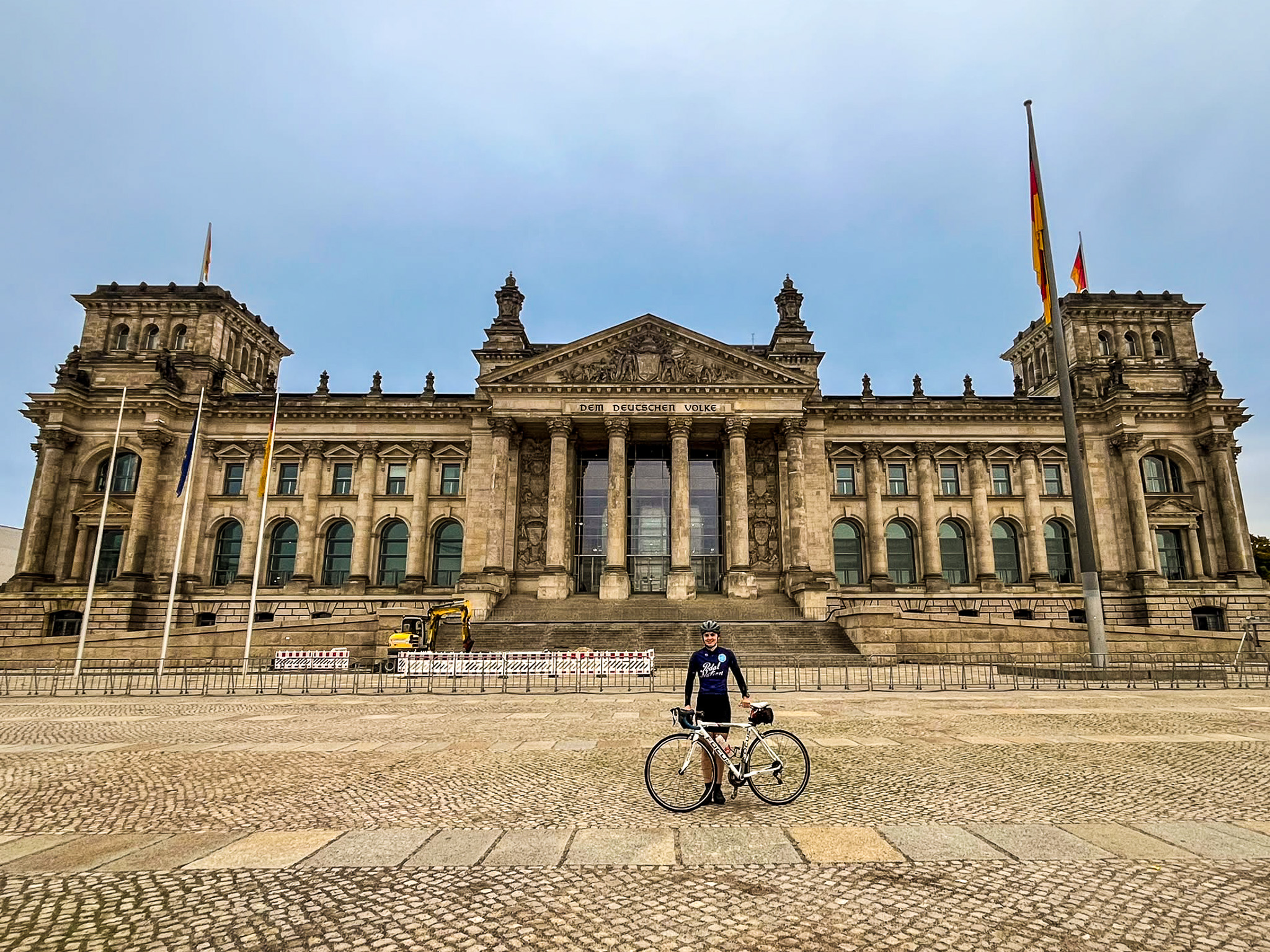
Berlin is a city that deserves more than a fleeting visit, with an extraordinary history, fascinating architecture and a cultural scene that's hard to beat. From the remnants of the Berlin Wall and the famous Checkpoint Charlie to the magnificent Reichstag, Museum Island and the Holocaust Memorial, there's plenty to explore. Away from the major sights, Berlin's neighbourhoods are full of character, with independent cafés, street art, quirky shops, buzzing food markets and a famously lively nightlife. Whether you're interested in history, art, architecture or simply soaking up the atmosphere, Berlin is a brilliant place to round off your cycling adventure.
Highlights
- The Brandenburg Gate and the historic boulevard of Unter den Linden.
- The Reichstag, with its spectacular glass dome and panoramic views across the city.
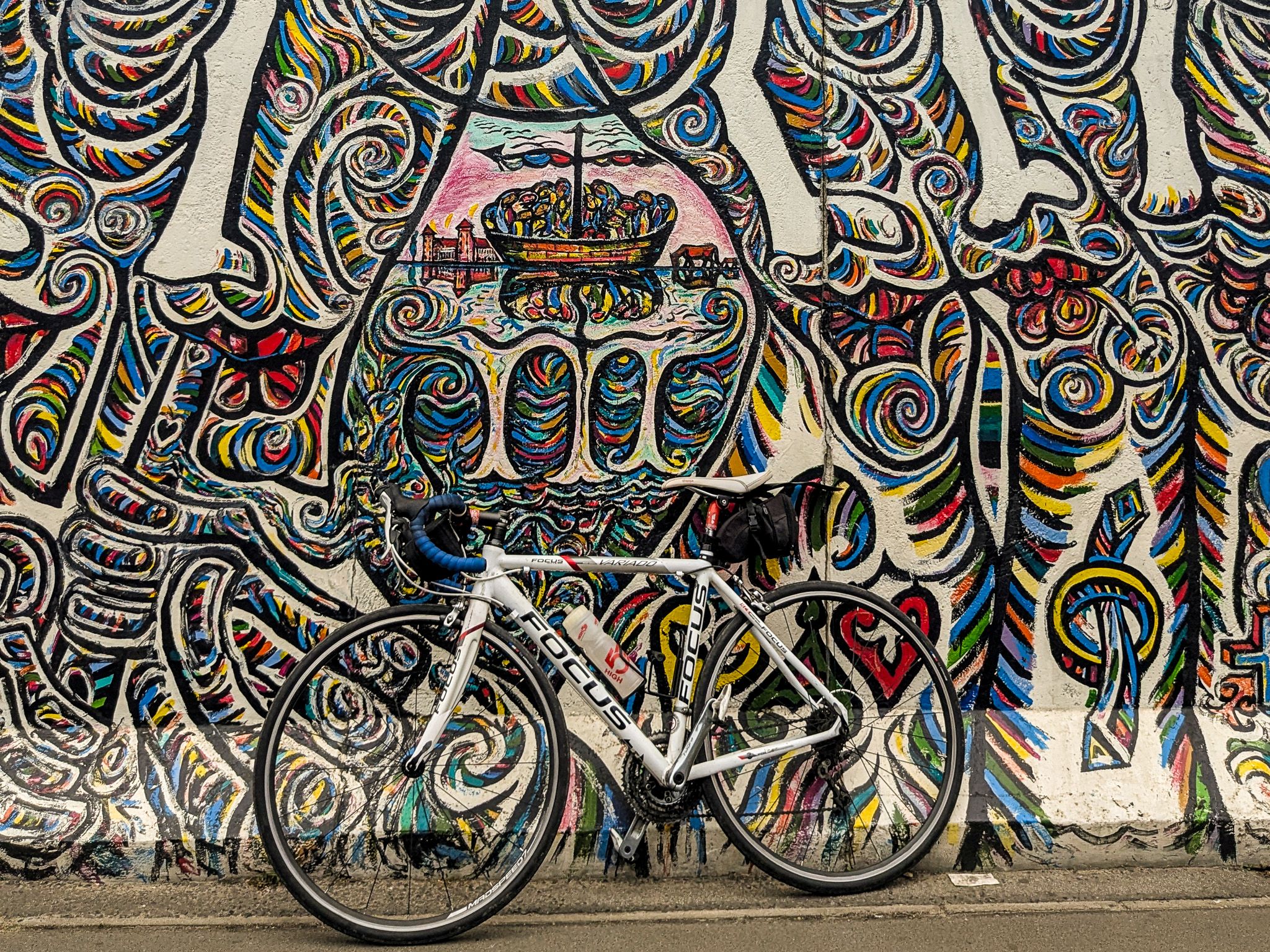
- The Berlin Wall Memorial and East Side Gallery, where surviving sections of the Wall tell very different stories.
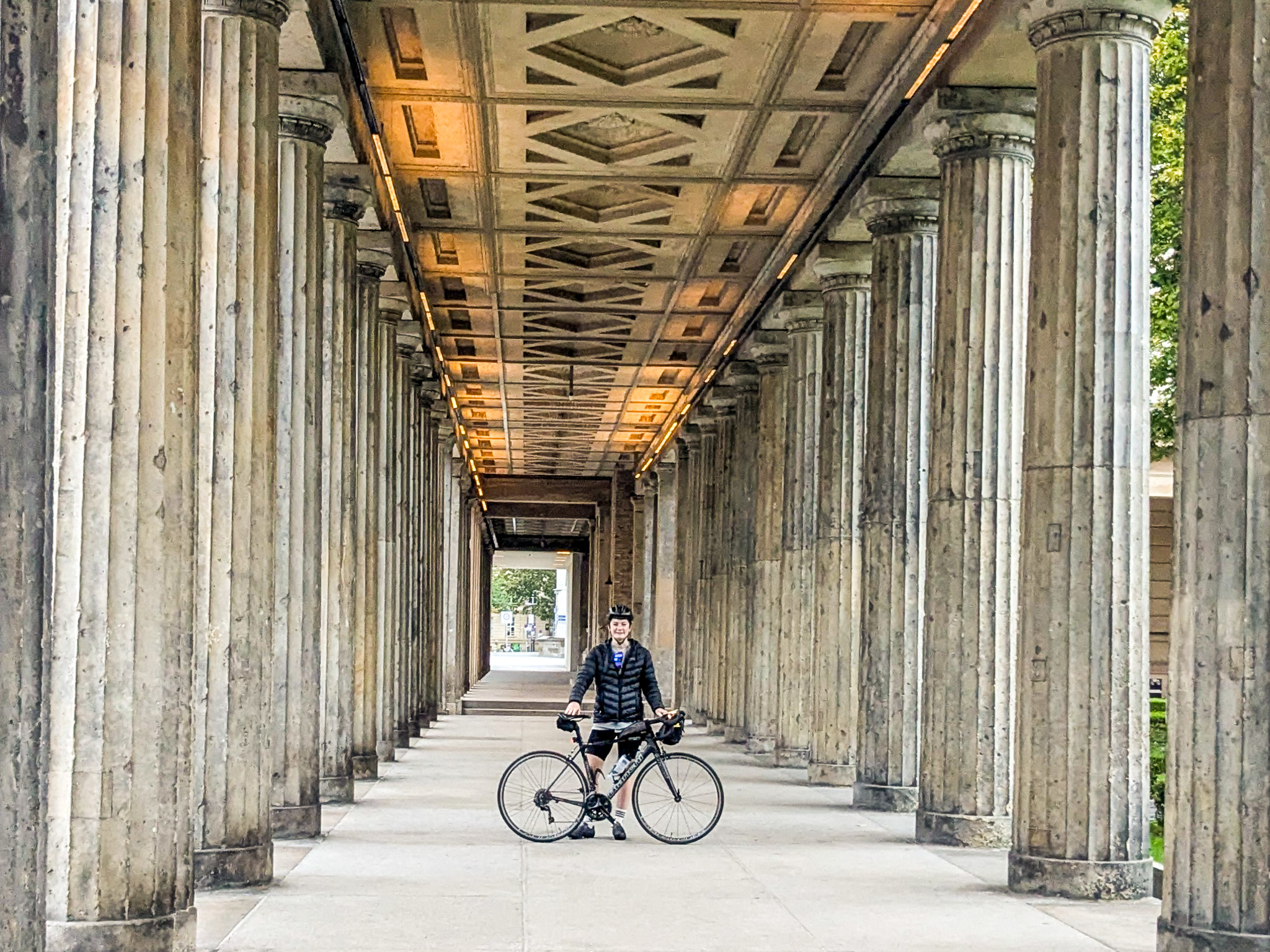
- Museum Island, home to five world-renowned museums and a UNESCO World Heritage Site.
- The moving Memorial to the Murdered Jews of Europe.
- The lively neighbourhoods of Kreuzberg, Friedrichshain and Prenzlauer Berg, with their street art, independent bars and wonderfully varied food scene.
- Tempelhofer Feld, the former airport turned enormous public park, where Berliners cycle, skate, picnic and generally make the most of the space.